Pets
How to Take Care of a Kitten Complete Beginner’s Guide
May 29, 2026
Discover essential tips and expert advice for taking care of your new kitten. Ensure their health, happiness, and well-being from day one!
Bringing a kitten home is an exciting experience, but proper care involves more than providing food and affection. Kittens have specific needs during their early months, including appropriate nutrition, veterinary care, socialization, and a safe living environment.
Understanding how to care for a kitten helps owners support healthy growth and develop good habits from an early age. This guide covers the essential steps of kitten care, including preparing your home, feeding, litter training, preventive healthcare, play, and monitoring your kitten’s development.
1. Preparing for Your Kitten’s Arrival
Before bringing a kitten home, create a safe and comfortable space where they can adjust gradually.
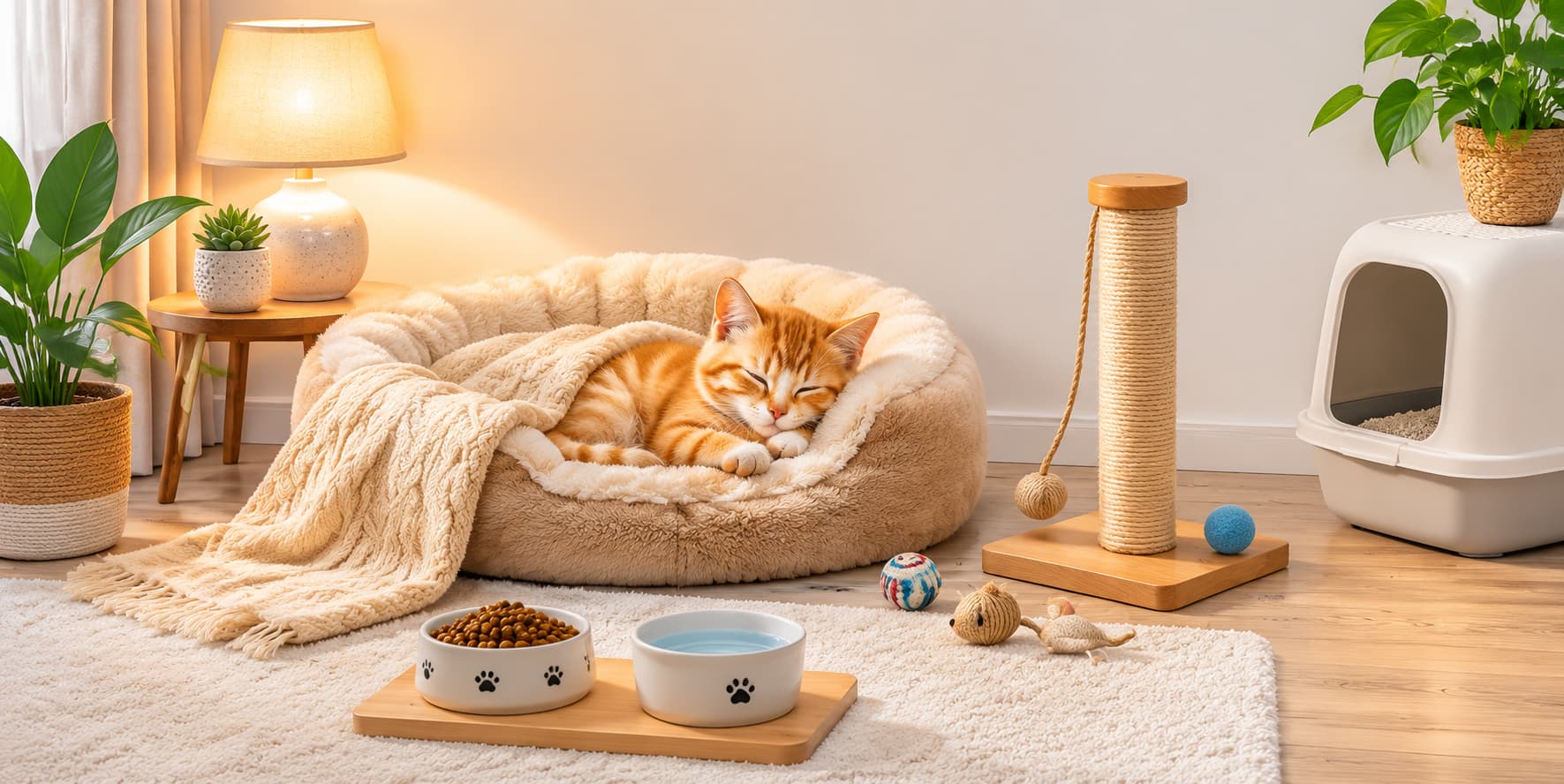
A separate first room can help kittens feel secure while they become familiar with new surroundings. This area should include:
- food and water bowls;
- a litter box;
- a comfortable sleeping area;
- toys for play and enrichment;
- a scratching post;
- a carrier for transportation and veterinary visits.
Keep the space free from potential hazards. Secure electrical cords, store cleaning products safely, and remove plants that may be toxic to cats.
A quiet, predictable environment allows kittens to adjust more easily during their first days at home.
2. Feeding, Water, and Growth Monitoring
Choosing Kitten Food
Kittens should eat food specifically formulated for growth. Kitten formulas typically contain higher levels of calories, protein, and essential nutrients needed for development.
Both wet and dry kitten food can be part of a balanced diet:
- Wet food provides additional moisture and may be easier for some kittens to eat.
- Dry food is convenient and can support feeding routines.
The appropriate amount depends on:
- age;
- body weight;
- activity level;
- calorie content of the food.
Feeding Frequency
Young kittens usually need several small meals throughout the day because their stomachs are small and they require frequent energy intake.
As kittens grow older, feeding schedules can gradually transition toward fewer daily meals.
Monitoring Growth
Regular weight checks help confirm that a kitten is developing properly.
Healthy kittens should generally:
- gain weight steadily;
- remain active and playful;
- maintain a good appetite.
Sudden weight loss, poor appetite, or low energy should be discussed with a veterinarian.
3. First Veterinary Visit and Preventive Care
A kitten’s first veterinary visit is an important step in establishing long-term health.
During the appointment, a veterinarian may:
- perform a physical examination;
- check weight and development;
- discuss vaccination schedules;
- recommend parasite prevention;
- evaluate diet and care routines.
Kitten Vaccinations
Core vaccines commonly recommended for kittens include protection against diseases such as:
- feline panleukopenia;
- feline herpesvirus;
- feline calicivirus.
Vaccination schedules usually begin when kittens are around 6–8 weeks old and continue through multiple booster visits.
Spaying and Neutering
Many veterinarians recommend spaying or neutering around the age of 4–6 months, depending on the kitten’s health and individual circumstances.
This procedure can help prevent unwanted litters and may reduce certain health and behavioral risks.
4. Litter Training, Grooming, Handling, and Sleep
Litter Training
Most kittens naturally learn to use a litter box, but providing the right setup helps establish good habits.
Tips include:
- choose a low-sided box that is easy to enter;
- place it in a quiet location;
- keep it away from food and water;
- scoop waste regularly.
If accidents occur, avoid punishment. Instead, clean the area thoroughly and make the litter box more accessible.
Gentle Handling
Early handling helps kittens become comfortable around people.
Approach slowly and allow your kitten to investigate your hand before picking them up. Always support their body when lifting them and avoid sudden movements.
Positive handling experiences can help reduce fear and improve confidence.
Grooming and Sleep
Regular grooming helps maintain coat health and allows owners to notice skin problems or parasites early.
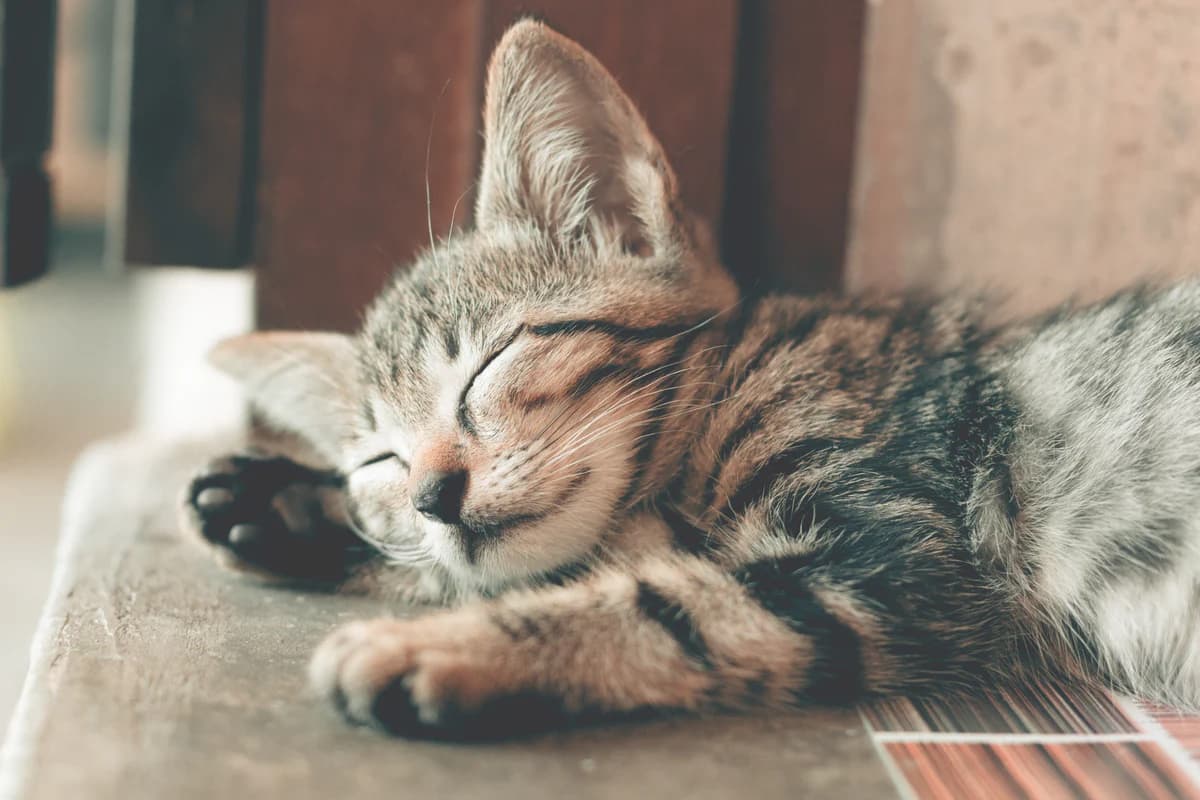
Kittens also require significant sleep. Many kittens sleep around 16–20 hours per day during early development, making a quiet resting area important.
5. Play, Enrichment, and Socialization
Play is an important part of kitten development. It supports:
- physical coordination;
- hunting instincts;
- confidence;
- mental stimulation.
Interactive toys such as wand toys, balls, and puzzle feeders can encourage healthy activity.
Socializing Your Kitten
Early socialization helps kittens become comfortable with:
- different people;
- household sounds;
- handling;
- new environments.
Introduce new experiences gradually and use positive reinforcement.
Introducing Other Pets
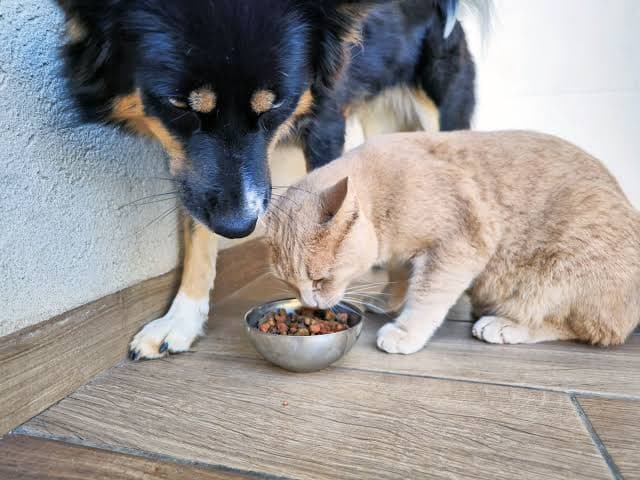
When introducing a kitten to other animals:
- Keep them separated initially.
- Allow them to smell each other through a barrier.
- Gradually allow supervised interactions.
- Reward calm behavior.
Slow introductions reduce stress and improve the chances of positive relationships.
6. Kitten Care Timeline: First Week to First Year
First Week
Day 1
- Introduce your kitten to a quiet area.
- Provide food, water, and a litter box.
- Allow time to adjust.
First Few Days
- Schedule a veterinary appointment.
- Begin gentle handling and bonding.
- Observe eating, drinking, and bathroom habits.
First Week
- Introduce normal household sounds gradually.
- Begin short play sessions.
First Year
6–8 Weeks
- Begin vaccination schedule.
- Start veterinary wellness checks.
3–4 Months
- Continue socialization.
- Monitor growth and nutrition.
4–6 Months
- Discuss spaying or neutering.
- Continue preventive care.
12 Months
- Schedule a wellness examination.
- Review adult diet and lifestyle needs.
7. Kitten Health Warning Signs
Kittens can become sick quickly, so owners should monitor changes carefully.
Contact a veterinarian if your kitten shows:
Persistent Vomiting or Diarrhea
Occasional digestive issues may occur, but repeated vomiting or diarrhea can indicate a health problem.
Loss of Appetite
A sudden refusal to eat may require attention, especially in young kittens.
Low Energy or Lethargy
Kittens are usually active. Unusual tiredness or lack of interest in play can be a warning sign.
Breathing Problems
Difficulty breathing, coughing, or unusual respiratory sounds require veterinary evaluation.
Behavior Changes
Changes such as hiding, excessive crying, or unusual aggression may indicate discomfort or illness.
Early veterinary attention can help identify problems before they become more serious.
Building Healthy Habits for Your Kitten’s Future
Taking care of a kitten requires attention to nutrition, safety, healthcare, and daily routines. Providing a suitable environment, balanced food, regular veterinary care, and positive social experiences helps kittens develop into healthy adult cats.
Every kitten grows at a different pace, so owners should monitor their cat’s needs and adjust care routines over time. With consistent attention and responsible care, kittens can become confident and well-adjusted companions.
Just For You

Parenting
A Comprehensive Guide to Caring for Newborns Essential Tips for First-Time Parents
April 3, 2026
Pets
Cat Feeder Guide Types, Features, and How to Choose the Right Feeding Solution
April 7, 2026

Tourism
Budget Travel How to Travel the World on a Budget
May 6, 2026

Shopping
The Best Adidas Running Shoes Finding the Perfect Balance for Every Runner
April 11, 2026
Recommended For You
Parenting
Baby Formula Feeding Chart An Essential Guide for New Parents
April 24, 2026
Pets
The Importance of Cat Training
May 25, 2026

Tourism
Best Places to Visit in Spain A Complete Travel Guide to Top Cities and Attractions
April 2, 2026

Shopping
The Heart of Gifting Finding the Perfect Birthday Gift for Your Mom
April 18, 2026