Pets
The Importance of Cat Training
May 25, 2026
Discover the importance of cat training! Enhance your bond with your feline through positive reinforcement techniques. Learn how to correct behaviors and teach tricks.
Training your cat is not just about correcting unwanted behaviors. It is an essential aspect of pet ownership that enhances the bond between you and your feline friend. Many believe that cats are inherently untrainable, leading to the common misconception that training is reserved exclusively for dogs. However, cats possess considerable intelligence and adaptability, allowing for successful training outcomes. They can learn commands and engage in fun tricks, changing behaviors positively through effective training techniques. As a devoted cat owner, you have the agency to establish a nurturing environment in which your cat can thrive.

The purpose of this article is to equip pet owners with comprehensive training techniques that utilize positive reinforcement. By demystifying common myths surrounding cat behavior and training methods, you can smoothly navigate the training journey and improve your household’s dynamics. Enhanced communication and mutual understanding are achievable through a few strategic training methods, fostering a deeper connection with your fur companion. Join us on this enlightening journey as we explore the transformative power of training and its impact on trust and companionship between you and your cat.
Can Cats Really Be Trained?
Despite common beliefs, cats can indeed be trained effectively. Myths that cats are untrainable creatures stem largely from their independent nature, but they learn through observation and interactive experiences. Training offers numerous benefits, enhancing not only the behavior of your cat but also the strength of your bond. Teaching your feline friend commands can lead to improved manners and a more harmonious household. By embracing training, you’ll discover the many advantages it can offer to both cats and their owners, making your experience together more enjoyable.
Understanding How Cats Learn
Positive Reinforcement
Positive reinforcement is a powerful training method that encourages good behavior in cats through rewards. This technique fosters a positive association between specific behaviors and favorable outcomes, leading to the increased likelihood of those behaviors being repeated. Employing positive reinforcement builds trust and enhances your bond with your cat, creating a supportive and enriching learning environment. Rewards can come in various forms, including tasty treats, affection, or playtime, allowing for effective teaching while nurturing a happy atmosphere.
Timing and Consistency
Timing is critical for effective training. If a cat receives a reward immediately after exhibiting a desired behavior—like using the litter box or scratching an approved post—it reinforces their actions and helps establish a clear connection between their choices and the positive outcome. Consistency also plays a vital role; maintaining uniform cues, rewards, and expectations throughout training sessions helps your cat grasp what is required of them. This consistency fosters reliable behavior and quickens the learning process.
Motivation and Rewards
Every cat has their own individual preferences regarding motivation. Some may respond best to treats, while others are more motivated by praise or interactive play. Understanding your cat’s unique tastes can greatly enhance your success in training. Experiment with various reward types—such as yummy treats, loving strokes, or engaging toys—to keep your cat interested and motivated throughout the learning process.
Why Punishment Often Backfires
Punishment-based training methods can produce adverse effects, leading to fear and anxiety among cats. When cats associate punishment with a training setting, it can result in avoidance behaviors, diminishing their willingness to engage. Such fear-based responses hinder effective training and obstruct the development of trust. Creating a positive, supportive environment devoid of punishment is crucial for fostering successful learning experiences, ensuring your cat remains receptive to new training opportunities and experiences.
Before You Start Training Your Cat
Embarking on your cat's training journey can indeed be rewarding, but proper preparation is key to achieving successful outcomes. Before you begin training sessions, consider several important factors that will help foster an effective learning environment.
Choosing Rewards
Selecting appropriate rewards is essential for maintaining your cat’s engagement throughout training sessions. Opt for popular treats like freeze-dried chicken, tuna flakes, or soft, meaty chews that captivate your cat’s interest and motivate them. Testing various reward types helps identify what your cat finds irresistible, thus improving their responsiveness to your signals and commands. A well-chosen reward can significantly elevate participation and enhance the overall training efficacy.
Creating a Distraction-Free Environment
Establishing an ideal training location is vital for minimizing distractions and helping your cat concentrate. Choose a quiet area in your home, away from loud noises, other pets, or visual stimuli. Small, enclosed spaces such as a bathroom or laundry room work well, allowing your cat to feel secure during training. Remove any tempting toys or clutter that could sidetrack your cat’s attention to ensure a designated space focused solely on training
Understanding Individual Personality Differences
Every cat possesses a distinct personality that can impact their training experience. While some may be more aloof, others might be eager to please. Customize your training approach to align with your cat's temperament, adjusting techniques to match their unique responses and learning styles.
How to Train Your Cat Using Positive Reinforcement
Training your cat might appear challenging, but positive reinforcement can render the experience enjoyable for both of you. This rewarding approach encourages the repetition of desirable behaviors while strengthening the bond between pet and owner. Below, are actionable strategies to help you effectively train your feline companion.
Rewarding Desired Behaviors
One effective technique involves targeting specific actions, such as using the litter box or scratching a designated post. For example, when your cat correctly uses the litter box, promptly offer a treat and verbal praise. Similarly, during playtime, if your cat plays gently without aggression, reward them with their favorite toy or cuddle time. By emphasizing the reinforcement of these actions, you will nurture positive habits that encourage good behavior.
Using Treats Effectively
To optimize treat usage, choose high-quality cat snacks specifically formulated for training. Timing is essential; ensure you provide the treat immediately following the demonstration of the desired behavior. Break treats into smaller portions to prevent overfeeding while keeping your cat engaged. For instance, if your cat comes when called, reward them right away to solidify this association in their mind.
Marking Behaviors at the Right Moment
Effective marking of behaviors relies on promptness. To reinforce positive behaviors, provide either praise or treats immediately after your cat performs the desired action. This can involve using a clicker or simply uttering a specific cue that signifies a reward is forthcoming. Immediate acknowledgment helps the feline make a direct connection between their action and the reward, thereby significantly enhancing the training process.
Basic Behaviors Every Cat Can Learn
Cats can serve more than just as adorable companions; they are capable learners that can be encouraged to adopt basic commands and habits. With the right techniques, any cat owner can train their feline friends to exhibit fundamental behaviors, further strengthening the bond between them. Here are some essential commands that cats can successfully learn through positive reinforcement.
Responding to Their Name
To teach your cat to respond to their name, consistently use it during feeding or playtime. Pair their name with a positive stimulus, such as treats or affection, each time you call them. Over time, your cat will develop an association between their name and positive experiences, increasing their likelihood of responding.
Coming When Called
Training your feline companion to come when called can begin in a quiet space using their favorite treats. Call their name with an upbeat tone while holding out the reward. Once they approach, offer immediate praise and the treat. Repeat this process frequently, gradually extending the distance from which you call them, rewarding every successful response.
Sitting on Cue
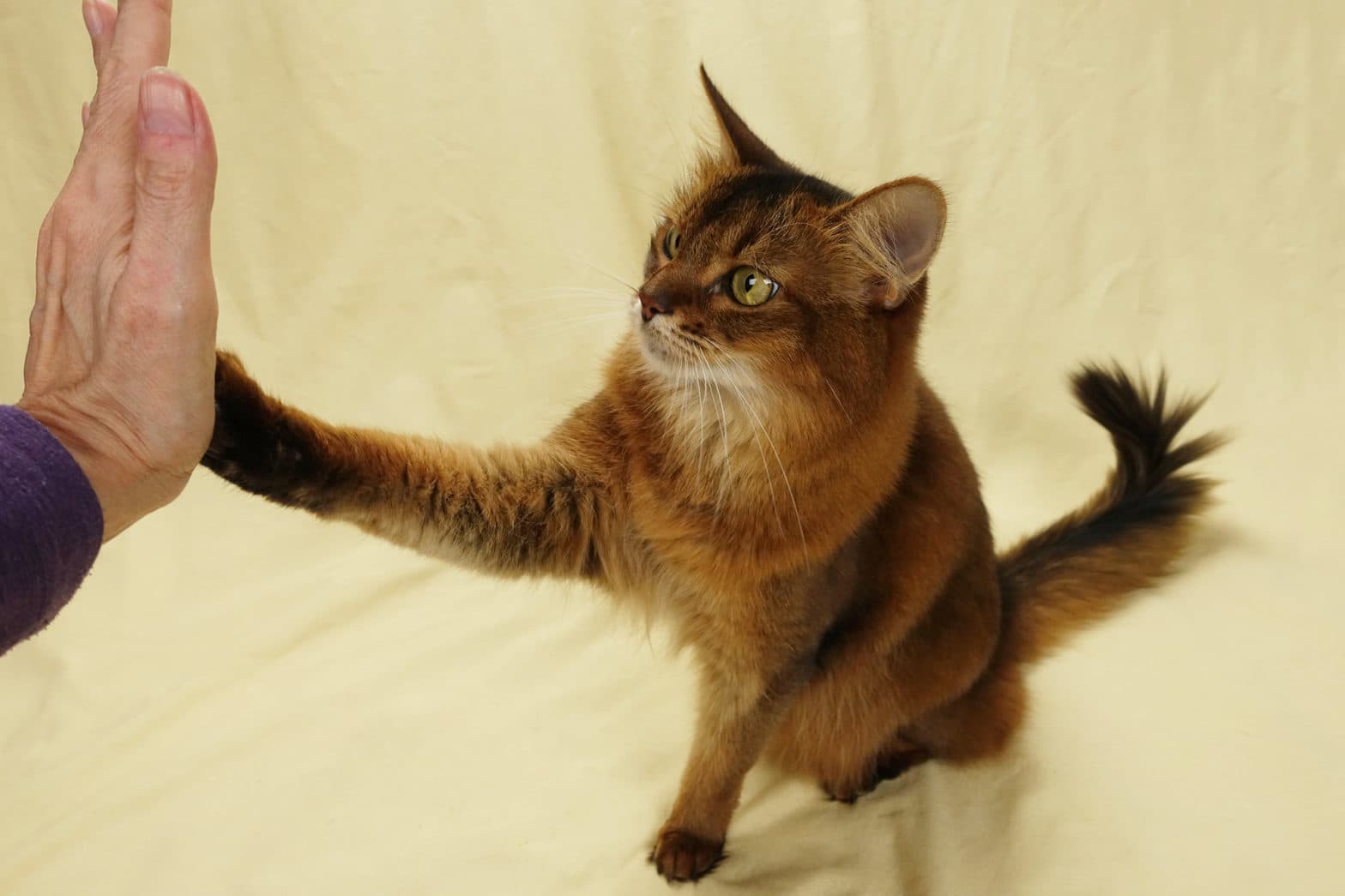
Teaching the sit command is quite straightforward. Use a treat to lure your cat upward by moving it above their head. As they instinctively follow the treat, their bottom will commonly lower. At the moment they sit, utter the command “sit” and reward them. Consistency while practicing this command will generate reliable responses.
How to Address Common Unwanted Behaviors
Managing unwanted behaviors in cats may seem daunting; however, with appropriate strategies, you can cultivate a more harmonious environment at home. Here are practical tips to address common issues.
Scratching Furniture
Scratching is a natural behavior of felines but can be redirected. Ensure your cat has scratching posts or pads made from various materials like sisal or cardboard. Position these alternatives close to the furniture they prefer scratching, rewarding them with treats when they use the post instead. Additionally, consider furniture protectors or sprays that discourage your cat from targeting undesired areas.
Jumping on Counters
To deter counter surfing, create a designated space for your cat that is both high up and safe, such as cat shelves or climbing trees. Reward your cat when they use these approved locations. In addition, keep counters clean and devoid of enticing food or objects. When you spot your cat on the counter, gently redirect them to their area rather than scolding, as punishment can lead to increased stress.
Excessive Meowing
Excessive meowing could be a result of boredom, desire for attention, or hunger. Ensure your cat has plenty of playtime and stimulating toys to mitigate boredom. Establish a consistent feeding schedule and aim for a tranquil atmosphere by possibly playing calming music or using pheromone diffusers. If the meowing continues, consulting a veterinarian might be necessary to rule out any underlying health concerns.
Biting During Play
Play aggression is prevalent in younger cats. Redirect this behavior by using toys that protect your hands, such as wands or laser pointers. Avoid rough play that promotes aggressive tendencies while always rewarding gentle engagement with treats or praise. Teaching your cat to interact with toys instead of your hands will foster more positive interactions.
Nighttime Activity
To reduce nighttime disruptions, implement a routine that tires your cat before bedtime by engaging them in vigorous play. Providing puzzle feeders during the evening can keep them mentally occupied overnight. If your cat remains active at night, consider creating a cozy space where they feel secure, equipped with comfy bedding and toys to encourage peaceful behavior during the night.
Final Thoughts on How to Train Your Cat
Engaging in cat training using positive reinforcement represents a fulfilling journey that enriches your bond with your furry companion. Throughout this guide, we've highlighted essential methods, emphasizing the importance of treats, consistent routines, and gentle cues. Patience is critical in this process. Cats learn at their own pace, so cherish the small victories along this path.
By investing time into training, you’re not merely teaching your cat tricks; you’re fostering a lasting connection rooted in trust, joy, and companionship.

Just For You

Parenting
Is Diarrhea Normal During Pregnancy Causes and When to Worry
May 23, 2026
Pets
How Often to Feed a Cat A Practical Guide for Every Life Stage
April 23, 2026

Tourism
Best Places to Travel Solo Safe and Inspiring Destinations
April 27, 2026

Shopping
Unlocking Value The Best Cheap Running Shoes That Don’t Skimp on Comfort
April 13, 2026
Recommended For You

Parenting
Understanding the Early Signs of Pregnancy
May 13, 2026
Pets
The Allure of Long-Furred Cat Breeds
May 19, 2026

Tourism
Exploring Together The Ultimate Guide to Family Adventure Travel
April 21, 2026

Shopping
The Heart of Gifting Finding the Perfect Birthday Gift for Your Mom
April 18, 2026