Pets
Cat Feeding Guide Understanding Portion Sizes and Daily Feeding Needs
April 16, 2026
Discover how to determine the right portion sizes for your cat's diet. Learn about their unique feeding needs based on age, weight, and health!
Understanding how much dry food to feed a cat each day is essential for maintaining their overall health and well-being. Like humans, cats have unique dietary requirements influenced by various factors such as age, weight, activity level, and specific health considerations. Adopting a personalized feeding approach is crucial; what works for one cat might not be suitable for another. Proper nutrition not only helps manage a cat's weight but also supports immune function, energy levels, and overall vitality. As we explore the topic of portion sizes and feeding needs, it's important to recognize that relying solely on generalized feeding charts can often result in common mistakes. Consulting a veterinarian can ensure that your feline friend receives the right nutrition tailored to their individual needs. Ultimately, a one-size-fits-all strategy does not apply in pet nutrition.
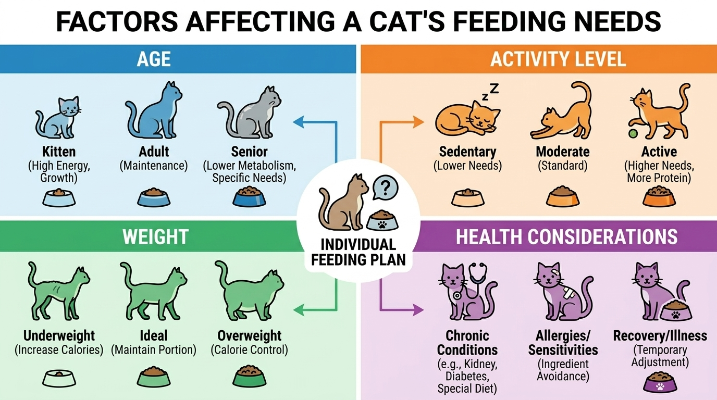
Why There Is No One-Size-Fits-All Answer
Age and Life Stage
Cats require different nutritional components based on their age and life stage. Kittens have higher energy needs and require more protein and fat for growth. Adults need a balanced diet to maintain their health, while senior cats benefit from special formulations addressing age-related health issues and decreased energy levels. Each stage of life dictates varied nutritional requirements, underscoring the importance of customizing a cat’s diet accordingly.
Body Weight and Activity Level
A cat's body weight and activity level significantly impact its daily food intake. Active cats generally require more calories to sustain their energy levels, while overweight or less active cats often need calorie-restricted diets to prevent obesity. Understanding the balance between a cat's lifestyle and its weight is critical for ensuring optimal health since overfeeding or underfeeding based on activity can lead to serious health complications.
Health Considerations
Existing health issues, such as diabetes, kidney disease, or allergies, play a vital role in determining a cat's dietary needs. Diets may need adjustments to accommodate specific illnesses, requiring careful management of nutrient types and quantities. Individual assessments by veterinarians or pet nutrition professionals are essential for creating the most suitable feeding plan, ensuring that each cat receives the best nutrition for their condition.
Determining How Much Dry Food to Feed a Cat Daily
Feeding cats the right amount of dry food is crucial for their health. General recommendations suggest that typical adult cats should consume about 1/4 to 1/2 cup of dry food daily, depending on weight and activity levels. It's essential to monitor your cat's condition and adjust the portion daily, as some cats may require more or less food based on their unique needs.
A key aspect of determining how much to feed your cat lies in understanding its calorie requirements. Dry cat food typically contains between 300-400 calories per cup. To calculate your cat's daily calorie needs, consider factors such as its weight, age, and activity level. Cats generally require about 20 calories per pound of body weight for maintenance. For instance, a 10-pound cat would need approximately 200 calories a day. Adjustments should always be made for weight loss, gain, or specific health conditions, and consulting a veterinarian can provide tailored guidance.
When feeding your cat, comprehending food labels is paramount. Cat food packaging often includes feeding guidelines based on your cat’s weight and energy needs. By accurately interpreting these labels, you can make informed feeding choices that foster your cat's health. Always consider the quality of the food and the nutritional value listed to ensure you’re providing a well-balanced diet for your furry friend.
Factors That Affect a Cat’s Daily Food Intake
Indoor versus Outdoor Cats
Indoor cats generally have lower energy needs compared to their outdoor counterparts, leading to different dietary requirements. Outdoor cats expend more energy through natural behaviors like hunting and exploring, necessitating a higher caloric intake to maintain their health and body weight. In contrast, indoor cats often require less food, making it essential for owners to tailor their cat’s diet based on their living situation and activity levels.
Neutered and Spayed Cats
Neutering and spaying can lead to weight gain in cats due to hormonal changes diminishing their energy expenditure. Consequently, spayed or neutered cats might require a reduced caloric intake or a transition to lower-calorie food options to stave off obesity. Monitoring their weight following surgery is vital for making sure that dietary adjustments resonate with their new lifestyle.
Highly Active Cats
Cats that exhibit heightened activity levels—such as those that participate in regular play or agility training—require additional calories to support their energy expenditure. These cats need a well-balanced diet that can sustain their increased metabolism to promote optimal health.
Senior Cats
As cats age, their metabolism slows, necessitating specific nutritional adjustments to maintain their health. Senior cats may benefit from diets lower in calories but higher in fiber and protein to aid in weight management and support muscle maintenance while ensuring they receive essential nutrients for overall well-being.

Reading Dry Cat Food Feeding Charts
Serving Recommendations
To effectively utilize feeding charts, cat owners should first identify the one corresponding to their cat's weight and age. Most charts provide specific portion sizes based on these factors, ensuring you offer the right amount of food to meet your cat's nutritional needs. For example, if a chart suggests a daily intake of 1/2 cup for your cat's size, this amount can be divided into two meals. It’s crucial to measure the food accurately, as portion control can help in maintaining a healthy weight.
Adjusting Portions Over Time
As your cat grows or changes in activity level, it is important to regularly monitor their weight and health status. A cat's food intake may need adjustments based on factors such as life stage, medical conditions, or lifestyle changes. Weigh your cat periodically and consult your veterinarian for personalized advice. Adjusting portions as needed helps prevent obesity or malnutrition, ensuring a balanced diet suitable for your cat’s evolving needs.
Avoiding Common Misunderstandings
Feeding charts serve as general guidelines but should not be taken as strict rules. Every cat is unique, and their dietary needs may vary. Factors like behavior, metabolism, and health can all influence the appropriate amount of food. Tailoring feeding practices to your individual cat can lead to optimal health outcomes.
Recognizing Signs Your Cat May Be Eating Too Much or Too Little
Monitoring your cat’s weight is critical for ensuring their health, as both overfeeding and underfeeding can have serious implications. Weight gain is often characterized by increased body size and difficulty in feeling ribs or hip bones. An overweight cat can experience health issues such as diabetes, heart disease, and joint problems that can severely affect quality of life, making adherence to proper portion sizes based on individual needs vital.
In contrast, weight loss may signal that your cat isn’t receiving enough nutrition. Indicators of insufficient intake include pronounced bones, noticeable lethargy, and a dull coat.
Changes in energy levels can also indicate a feeding issue; an undernourished cat may appear fatigued and less interested in play, while an overfed cat may be sluggish or inactive.
Lastly, shifts in appetite—either increased ravenousness or sudden disinterest in food—can indicate underlying health problems. Noticing these changes early can lead to prompt veterinary advice, ensuring your feline stays healthy and vibrant.
Establishing a Healthy Feeding Routine
Creating a healthy feeding routine for your cat is essential for supporting their well-being. Meal frequency plays a pivotal role; adult cats generally benefit from being fed twice daily. This regular schedule helps regulate their metabolism and prevent overeating. Kittens, on the other hand, should be fed more frequently, about three to four times a day, as they need more energy for growth and development.
Portion control is equally vital. Measuring food portions accurately helps prevent obesity and ensures your cat gets the right amount of nutrients. Using a measuring cup or scale to provide consistent portion sizes based on your cat's weight and dietary needs, which vary by age, breed, and activity level, is advantageous. Checking the feeding guidelines on your cat food packaging can assist in determining the right amount.
Regularly monitoring body condition is crucial for your cat’s health. Weigh your cat at least once a month to track weight changes. Look for signs of obesity or rapid weight loss, and consult your veterinarian if you notice any concerns. Ongoing evaluation helps fine-tune their feeding routine to best suit their health needs.
Common Feeding Mistakes Cat Owners Make
- Free-feeding without monitoring
Leaving food out for cats throughout the day can lead to serious health risks. While free-feeding may seem convenient, it often results in overeating, as many cats do not self-regulate their food intake. This behavior can lead to obesity, diabetes, and other health complications. Additionally, it makes it difficult for owners to monitor their cat's appetite, which can indicate underlying health issues. Sticking to strict feeding schedules helps promote healthier eating habits. - Ignoring treats and extras
Though treats can be a delightful way to bond with your feline friend, they can also significantly disrupt daily caloric limits. Many cat owners overlook the caloric content in treats, leading to unintended weight gain. It’s essential to account for these extras in your cat's overall diet, ensuring they do not exceed their recommended caloric intake. Moderation is crucial to maintaining your cat's health and keeping it trim. - Using one feeding guideline for all cats
Using a one-size-fits-all feeding guideline can have detrimental effects, as every cat is unique. Factors such as age, weight, activity level, and health conditions necessitate tailored feeding strategies. For instance, a young, active cat will have different caloric needs than an older, sedentary one. Personalizing feeding approaches ensures that the diets align with individual needs, leading to healthier, happier pets.
Prioritizing Your Cat's Nutritional Needs
Determining the right portion sizes for your cat involves a personalized approach that considers vital individual factors such as age, weight, activity level, and specific health needs. Throughout this article, we have underscored the significance of ongoing monitoring and adjustments to guarantee your furry friend's optimal health. Feeding charts can serve as helpful tools, but a consultation with a veterinarian remains crucial for tailored recommendations. As responsible pet owners, we must proactively understand and meet our cats' nutritional needs. By prioritizing personalized feeding amounts and consistent monitoring, we can significantly contribute to our cats' well-being and longevity. Let’s commit to nurturing our pets with the care they deserve!


Just For You

Parenting
Understanding the Early Signs of Pregnancy
May 13, 2026

Pets
Clicker Training for Cats A Beginner's Guide to Positive Reinforcement
April 15, 2026

Tourism
Exploring Together The Ultimate Guide to Family Adventure Travel
April 21, 2026

Shopping
The Heart of Gifting Finding the Perfect Birthday Gift for Your Mom
April 18, 2026
Recommended For You

Parenting
What Are the Best Baby Sleep Sacks Safety, Types, and Buying Guide
May 16, 2026

Pets
The Importance of Cat Training
May 25, 2026

Tourism
Best Travel Destinations Japan A Practical Guide to Exploring Cities, Nature, and Culture
March 27, 2026

Shopping
Personalized Family Gifts That Strengthen Meaningful Connections at Home
April 13, 2026