Pets
Litter Box Training for Beginners Everything Cat Owners Need to Know
April 17, 2026
Discover essential tips for effective litter box training for your cats and kittens, ensuring a clean home and happy pets. Learn more today!
Training cats and kittens to utilize a litter box is more than a mundane task; it’s an essential aspect of responsible pet ownership that significantly impacts the well-being of both your feline friend and your home environment. Many new pet owners carry misconceptions, assuming that cats will inherently know where to relieve themselves, regardless of the litter box's setup. However, effective litter box training hinges on comprehending your cat's natural behaviors and preferences. This guide aims to dispel common misunderstandings, providing practical and effective strategies for teaching your cats and kittens to adopt proper litter box habits. From selecting the ideal litter to the correct placement of the box, we will equip you with the necessary knowledge and support to ensure a smooth training experience. Join us in this exploration of the importance of litter box training and how it fosters a harmonious living space for both you and your beloved pet.
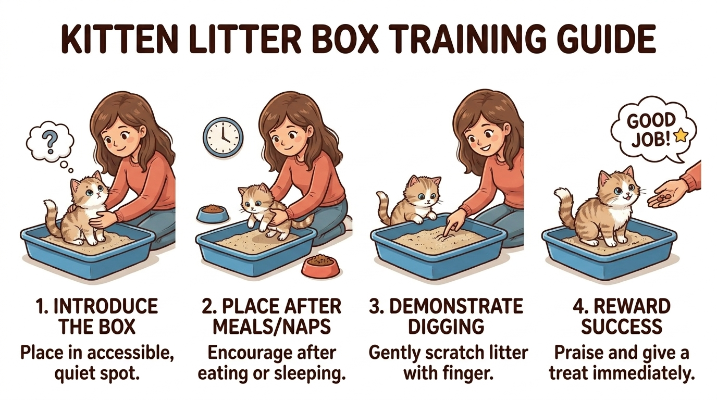
Why Litter Box Training Is Usually Easier Than Many Owners Expect
Contrary to what some might think, cats possess inherent cleanliness, showcasing a natural instinct to bury their waste as a survival mechanism. This instinct makes litter box training easier and more intuitive than many cat owners expect. Most felines will instinctively seek out a designated area for elimination, making it relatively simple for them to adapt to the confines of their home. With a little guidance and the right environment—including a suitable litter box and clean litter—cats can quickly grasp where to go. Understanding these natural behaviors allows owners to facilitate a seamless transition into indoor elimination, underscoring the simplicity of litter box training for kittens and adult cats alike.
How to Train a Cat to Use a Litter Box
Choosing the Right Litter Box
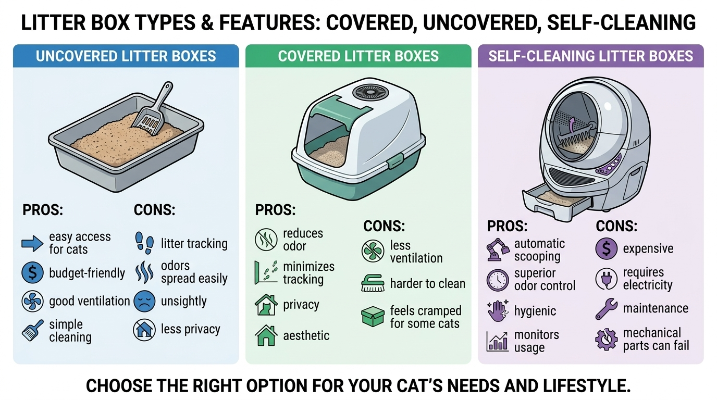
Picking the appropriate litter box is pivotal for successful litter box training. There are numerous types available, including covered, uncovered, and self-cleaning boxes. For kittens, a shallow box is optimal, allowing easy access, whereas adult cats typically favor a larger box with higher sides for privacy. Ensure that the box is spacious enough for your cat to turn around comfortably. Accessibility is crucial; it should be situated in a spot where your cat can easily reach it because even the best box won’t be utilized if it’s difficult to access or feels intimidating.
Selecting a Litter Your Cat Will Accept
Choosing a suitable cat litter is vital, as cats can be quite particular about texture and scent. The main types include clumping litter, which forms solid waste; non-clumping, which absorbs moisture; and natural litters made from recycled materials. Begin with a litter type your cat is familiar with; if you're transitioning, gradually mix the old with the new litter to smooth the introduction process. Provide a choice of different litters if your cat shows hesitance, taking note of their preferences to find the perfect fit for their comfort needs.
Finding the Best Location
The placement of the litter box can greatly impact usage. Cats prefer quiet, low-traffic areas, away from loud appliances or disturbances. It is advisable to avoid positioning the litter box near their food and water bowls, as cleanliness is integral to feline instincts. Ideal options include a laundry room, bathroom, or a calm corner of the house where your cat feels secure and relaxed, encouraging them to use the box regularly.
Introducing Your Cat to the Litter Box
To effectively introduce your cat to their new litter box, position them in or near it soon after bringing them home or following a meal. Encourage them to explore it by allowing them to sniff around and enter at their own pace. Positive reinforcement is key; offer praise when they show interest in the box. If they utilize it, reward them with treats or affection to positively associate the litter box with pleasurable experiences, laying the groundwork for consistent habits.
How to Litter Train a Kitten
When Kittens Start Using a Litter Box
Kittens are naturally inclined to dig and bury their waste, making litter box training an instinctive process. Typically, around four weeks of age, kittens start to gain control over their elimination. It is at this stage that introducing a litter box is advisable. Offering a shallow box filled with a non-toxic, soft litter encourages exploration and usage, perfectly aligning with their instinctive use behaviors.
Building Consistent Habits
Establishing a routine is critical for effective litter box training. Kittens thrive on predictability, so creating a consistent schedule for feeding and playtime is beneficial. Observational skills are vital; look for signs that your kitten may need to go, such as sniffing around or vocalizing. When you observe these behaviors, gently guide them to the litter box. When they successfully use it, provide verbal praise or a gentle scratch behind the ears to reinforce the habit.
Helping Kittens Learn Faster
Positive reinforcement techniques can greatly expedite your kitten's litter box training. Each time your kitten successfully uses the litter box, promptly reward them with a treat or verbal praise. Avoid negative reactions if accidents occur; instead, clean the area thoroughly to eliminate any lingering scents that may attract them back to those spots. The goal is to associate the litter box with positive experiences, encouraging your kitten to return confidently and consistently.
Training an Older Cat to Use a Litter Box
Cats New to Indoor Living
For outdoor cats transitioning to indoor life, adaptation can be tough. These cats often encounter anxiety and confusion as their new environment limits their freedom. Creating a safe and secure space for them and gradually introducing the litter box is essential, ensuring it is placed in a quiet, accessible location. Patience plays a crucial role; use calming treats and positive reinforcement to ease their transition.
Recently Adopted Cats
Cats that have been recently adopted require particular attention to help them feel comfortable in their new surroundings. To aid in their acclimatization to the litter box, place it in a room where they tend to spend most of their time. Ensure the setup is clean and use a litter type familiar to them if known. Observing their behavior closely can yield insights into their preferences, streamlining the training process.
Helping Older Cats Adjust
Older cats may face unique challenges when it comes to litter box usage, such as mobility issues or cognitive decline. Consider using a litter box with lower sides for easier access and place it in a quiet, familiar area. Furthermore, keep a close watch on their litter box habits to identify any changes that could indicate health issues, making sure they remain comfortable and content in their home environment.
Creating Long-Term Litter Box Success
A successful litter box routine is established through several key principles. Keeping the Box Clean is crucial; clean the litter box daily to remove waste, replacing the litter entirely at least once a week to prevent odors and maintain your cat's comfort. Furthermore, maintaining a Consistent Routine supports good habits; position the litter box in a quiet, accessible area, encouraging your cat to use it after meals and naps to establish a predictable schedule. Lastly, Monitoring Changes in Behavior is vital; pay attention to any signs of reluctance or changes in litter box habits. If your cat begins to avoid it or demonstrates distress, consult a veterinarian to exclude any health issues. Through diligent observation and adaptability, you can help maintain long-term success in your cat’s litter box habits.
Nurturing Healthy Litter Box Habits
In nurturing your cat’s litter box habits, remember that patience and consistency are essential for success. By understanding your cat's unique needs and behaviors, you can cultivate a supportive environment that encourages effective training. Be proactive and encouraging throughout your cat's educational journey, and prepare to address any challenges that may emerge. Building strong litter box habits not only benefits your beloved pet but also fosters a peaceful home environment; by embracing the training process, you will ultimately enjoy the rewards of a well-acclimated companion.

Just For You

Parenting
What Are the Best Baby Sleep Sacks Safety, Types, and Buying Guide
May 16, 2026
Pets
How Often to Feed a Cat A Practical Guide for Every Life Stage
April 23, 2026

Tourism
Exploring Together The Ultimate Guide to Family Adventure Travel
April 21, 2026

Shopping
Finding the Perfect Fit The Best Running Shoes for Wide Feet That Blend Comfort and Performance
March 21, 2026
Recommended For You

Parenting
A Comprehensive Guide to Caring for Newborns Essential Tips for First-Time Parents
April 3, 2026
Pets
How to Crate Train a Puppy Safely
June 19, 2026

Tourism
Best Hidden Gems in the United States 2026 Travel Guide
April 29, 2026

Shopping
Personalized Family Gifts That Strengthen Meaningful Connections at Home
April 13, 2026