Pets
Cat Feeder Guide Types, Features, and How to Choose the Right Feeding Solution
April 7, 2026
Discover the ultimate cat feeder guide! Explore various types and features to find the perfect feeding solution for your feline friend.
Keeping a consistent feeding schedule is an important part of maintaining your cat’s health, but it can be difficult when work, travel, or other commitments keep you away from home. Cat feeders provide a convenient solution by helping ensure that meals are delivered at regular times, even when you’re not available. Whether you're looking to manage portion sizes, support a feeding routine, or simply make daily pet care easier, a cat feeder can be a valuable tool for many cat owners.
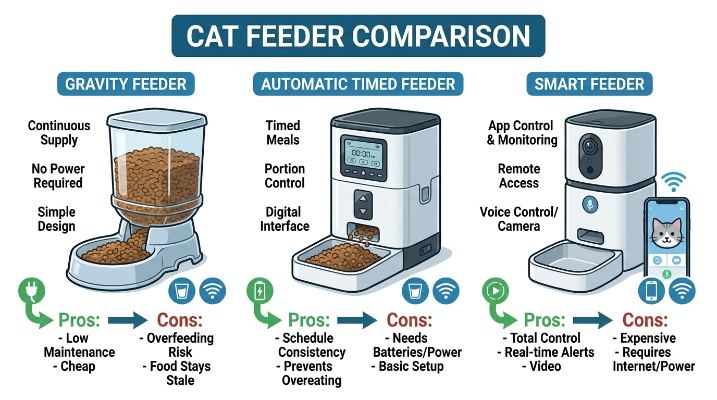
This guide is designed to help readers navigate the myriad options available when choosing the right cat feeder. From automatic feeders that dispense food according to your cat’s schedule to gravity-fed models providing a constant supply of kibble, the choices can be overwhelming. Furthermore, understanding the specific dietary needs of your cat can greatly influence your selection. By the end of this article, readers will be better equipped with insights into various types of feeders along with crucial considerations to tailor their choices to their needs, making feeding your cat a hassle-free experience.
Main Types of Cat Feeders
When it comes to keeping your feline friend well-fed, selecting the right cat feeder is paramount. The numerous options available are designed to cater to diverse needs and lifestyles, and understanding the various types can support making an informed choice. Here are the main types of cat feeders to consider:
Gravity Cat Feeders
Gravity cat feeders exemplify simplicity and convenience. These feeders operate on a basic principle: as your cat eats, the feeder automatically replenishes the food supply from a storage container above. Their primary advantage lies in their ease of use; pet owners do not need to refill them frequently, making them ideal for busy households or for cats who prefer to graze throughout the day. However, these models do pose limitations, particularly concerning portion control. With gravity feeders, managing how much food your cat consumes at any given time becomes impossible, potentially leading to overeating in specific pets. Therefore, while these feeders suit certain scenarios, they may not fit all cats, especially those prone to weight gain.
Automatic Timed Feeders
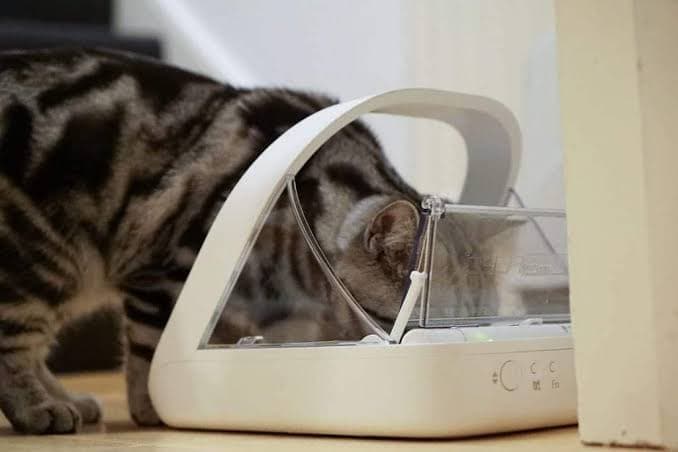
Automatic timed feeders offer a more structured approach to mealtime than their gravity counterparts. These devices allow pet owners to schedule feeding times and control portion sizes, presenting an excellent choice for managing cat diets. Equipped with built-in timers, they enable dispensing the exact amount of food at predetermined intervals. This feature is particularly advantageous for cats requiring calorie-restricted diets or those needing smaller, more frequent meals. These feeders are also helpful for pet owners with unpredictable schedules, ensuring that their cats receive meals even when they are away from home. However, it is essential to select a reliable model, as some may have mechanical issues impeding the feeding process.
Smart Wi-Fi Cat Feeders
For tech-savvy cat owners, Smart Wi-Fi cat feeders represent the next evolution in pet feeding. These innovative devices connect to your home's Wi-Fi network, allowing for app control from your smartphone. With remote monitoring features, you can check feeding times and remaining food levels—all while being away from home. Many models also boast voice recording capabilities, enabling you to call your cat to dinner, regardless of your whereabouts. Beyond their convenience, these feeders frequently incorporate programmable meal portions and alerts if food supplies are running low. However, they tend to be pricier than traditional feeders and may require ongoing internet access for optimal functionality.
Multi-Cat Feeding Systems
If you have multiple cats, a multi-cat feeding system can simplify mealtime and mitigate conflicts over food. These systems are designed specifically for households with several felines, ensuring that each cat gets its allocated food without interference from others. Multi-cat feeders often feature RFID tags that recognize individual pets, dispensing the correct portion to each one and preventing food stealing. Such systems are invaluable for monitoring the dietary habits of each cat, tracking food intake, and promoting healthy eating practices. While the initial investment might be higher, the long-term benefits for your pets' well-being can be significant.
Benefits of Using a Cat Feeder
Better Portion Management
Using a cat feeder allows owners to control their cats' portions more effectively. Automatic feeders can be programmed to dispense specific amounts of food at regular intervals, helping to prevent overfeeding. For instance, a cat owner can set the feeder to deliver a precise ¼ cup of food at each meal, ensuring their feline friend maintains a healthy diet.
Consistent Meal Schedules
Consistency is essential for a cat's well-being because it helps regulate their digestive system. A cat feeder can be programmed to provide meals at the same time each day, allowing cats to anticipate feeding times. This routine reduces anxiety and encourages healthy eating habits, particularly for cats that thrive on structure.
Reduced Feeding Stress
Feeding can frequently be a source of stress for both owners and cats, especially during hectic mornings. Automatic feeders alleviate this concern by ensuring food availability without necessitating immediate human intervention. This way, owners can have the peace of mind that their pets are well-fed, even when distracted.
Convenience for Owners
For busy pet owners, the convenience of an automatic cat feeder cannot be overstated. Featuring mobile app control and scheduled feeding times, owners can efficiently manage their cats' diet from virtually anywhere. This convenience is especially beneficial for those with irregular work hours.
Support for Weight Management Plans
For cats needing to lose weight, controlled portions from a cat feeder can significantly support weight management plans. By serving smaller, frequent meals, owners can aid their cats in feeling full while reducing overall calorie intake. This method promotes a healthy weight over time, contributing to a cat's longevity and quality of life.
Features to Look for in a Cat Feeder
When choosing a cat feeder, various features cater to differing needs. Here are essential aspects to consider:
Portion Size Settings
Opt for feeders that allow you to customize portion sizes. This feature is crucial for managing your cat's diet, preventing obesity, and ensuring they receive the proper nutrients based on their weight and health requirements.
Food Capacity
Look for feeders with adequate food capacity to minimize the frequency of refills. Models that can hold multiple meals can be especially useful for busy owners, ensuring your cat is fed consistently without constant interruptions.
Battery Backup
A battery backup feature provides peace of mind during power outages. This ensures your pet continues to receive meals on schedule, keeping their routine undisturbed and avoiding unnecessary stress.
Anti-jam Technology
Choose feeders with anti-jam technology to ensure that food dispenses smoothly. This mechanism prevents frustrating feeding errors and guarantees that your cat receives the right amount of food without delay.
Stainless Steel Food Bowls
Opt for models equipped with stainless steel bowls, which are durable and easy to clean. Stainless steel is less likely to harbor bacteria compared to plastic, promoting better health for your pet.
Smartphone Connectivity
A feeder with smartphone connectivity allows you to control feeding times and portions remotely. This feature is beneficial for busy pet owners seeking to monitor their cat's food intake from anywhere.
Voice Recording Features
Many modern feeders include voice recording capabilities, enabling you to call your cat to meals. This feature fosters a comforting routine and assists in bonding with your pet.
Ease of Cleaning
Lastly, verify that the feeder is easy to clean. Removable and dishwasher-safe components simplify maintenance, promoting hygiene and making food preparation less of a chore.
Common Problems Cat Owners Experience With Feeders
Food Blockages
One prevalent issue with automatic cat feeders is food blockages. This problem may arise when kibble gets stuck in the dispensing mechanism, frequently due to the size or shape of the food being used. Ensure you select a feeder compatible with your cat’s preferred food type, and regularly inspect for clogs to prevent missed meals.
Curious Cats Tampering with Feeders
Cats are naturally curious creatures, and some may attempt to tamper with their feeders by pawing at buttons or even attempting to tip the device over. To mitigate this, place the feeder in a stable location and consider using models with tamper-resistant designs.
Power Interruptions
For electric feeders, power interruptions can create significant feeding issues. If the power goes out or batteries deplete, your cat could miss meals. Confirm that your feeder features a backup power option, such as batteries, and position it in a location with a reliable power supply to minimize risks.
Cleaning and Maintenance Issues
Cleaning automatic feeders can become cumbersome if not designed for easy maintenance. Residue can accumulate, leading to hygiene concerns. Opt for feeders with removable components that are dishwasher-safe. Implementing regular cleaning schedules can help maintain functionality and cleanliness, ensuring your cat enjoys fresh meals.
Cat Feeder Maintenance Tips
To guarantee your cat feeder operates efficiently and lasts for years, regular maintenance is crucial. Here are some practical suggestions:
- Cleaning Schedule:
- Clean the feeder at least once a week to prevent bacterial build-up. Remove all food remnants, wash with warm, soapy water, and rinse thoroughly.
- For automatic feeders, consult the manufacturer for specific cleaning instructions, ensuring electronics are not submerged.
- Check Moving Parts:
- Regularly inspect any mechanical components, such as dispensing mechanisms or motors, for indications of wear and tear.
- Lubricate as advised by the manufacturer to maintain smooth operation.
- Battery Replacements:
- If your feeder operates on batteries, regularly check and replace them every three months or sooner if performance issues arise.
- Consider using rechargeable batteries for added convenience and sustainability.
Final Thoughts on Choosing a Cat Feeder
Selecting the right cat feeder holds significant implications for your feline's overall health and happiness. Throughout this article, we've explored various types of feeders—from automatic to gravity-based each offering unique features and advantages. Always consider your pet's specific needs and dietary requirements when making your choice. Additionally, reflect on your household dynamics, such as multiple pets or a busy lifestyle, that might benefit from automated solutions. The right feeder should seamlessly integrate into your routine while keeping your cat healthy and content. Take the time to carefully evaluate your options; this decision impacts not only your daily regimen but also fosters your pet's overall well-being.
Just For You

Parenting
How Long Can a Newborn Be in a Car Seat Essential Guidelines for Parents
May 10, 2026

Pets
How Long Does It Take to Potty Train a Puppy
June 8, 2026

Tourism
Best Travel Destinations Japan A Practical Guide to Exploring Cities, Nature, and Culture
March 27, 2026

Shopping
Unlocking Value The Best Cheap Running Shoes That Don’t Skimp on Comfort
April 13, 2026
Recommended For You
Parenting
Understanding the Significance of Pelvic Floor Exercises During Pregnancy
April 12, 2026

Pets
How to Train a Cat to Use a Litter Box A Complete Guide
May 28, 2026

Tourism
Affordable Honeymoon Destinations Romantic Trips That Don’t Break the Budget
April 9, 2026

Shopping
Personalized Gifts for Grandma That Feel Thoughtful and Truly Meaningful
April 13, 2026