Pets
Can I Feed Dogs Cat Food What Pet Owners Need to Know
May 2, 2026
Can dogs eat cat food? Explore the nutritional differences, potential risks, and best practices for pet owners to ensure canine health.
Pet owners often find themselves navigating the complexities of animal nutrition, especially in multi-pet households where dietary preferences may collide. One common question that arises is whether dogs can safely indulge in cat food. This query stems from concerns about nutritional balance and pet health. Cat food is typically formulated with higher protein content and specific nutrients tailored to meet feline needs, thereby creating potential confusion for dog owners who notice their pets eagerly munching on leftover cat food.
The implications of this dietary dilemma extend beyond just canine health; they permeate the understanding of overall pet nutrition. Given the hectic lifestyles of many pet owners, it is not unusual for the dog bowl to appear less appealing than the seemingly gourmet offerings in the cat's dish. This article aims to address the concerns surrounding dog consumption of cat food, delve into the nutritional differences between these two types of pet food, and provide actionable guidance to ensure all pets in the household receive a balanced diet. By exploring these issues, we hope to equip pet owners with the knowledge they need for maintaining their furry companions' health and well-being.
Can Dogs Eat Cat Food?
Dogs can technically eat cat food on occasion, but it should never be a regular ingredient in their diet. As per veterinary advice, cat food is crafted to fulfill the specific nutritional needs of cats, which differ significantly from those of dogs. Cat food typically contains higher protein levels and certain essential nutrients like taurine, which dogs can synthesize on their own. Therefore, it isn't suitable as a staple in a dog's diet.
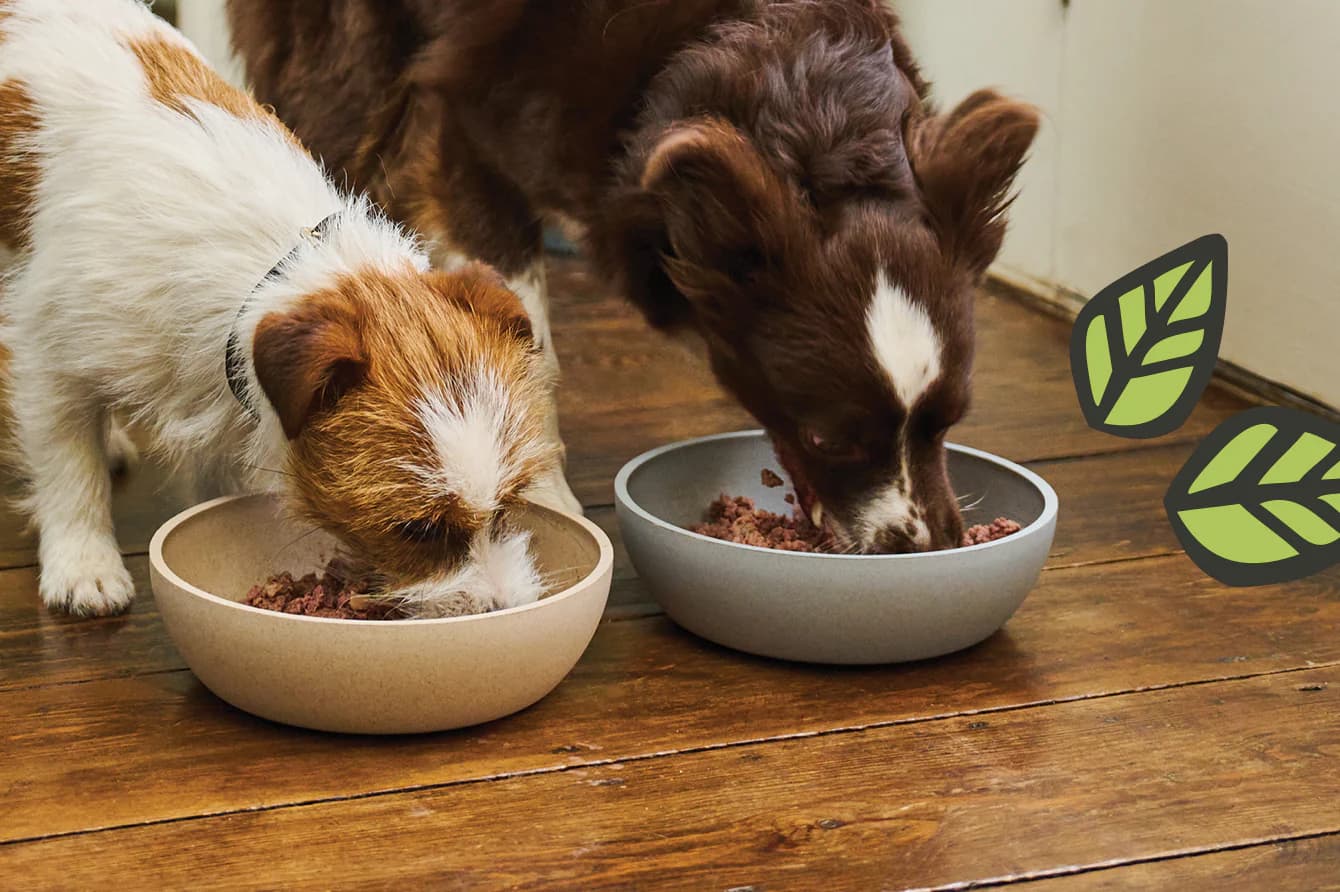
While an occasional taste of cat food may not cause immediate harm, regular consumption can lead to nutritional imbalances. The excess protein and fat content in cat food can contribute to weight gain and digestive issues, particularly for dogs that are not very active. Furthermore, if a dog with specific dietary restrictions or health issues consumes cat food frequently, it could worsen their condition. This question is frequently raised by pet owners with both dogs and cats, primarily due to varied feeding challenges. Dogs are known to sneak bites of cat food when given the opportunity, especially if cat food appears more accessible or appealing.
To ensure the well-being of all pets, it's crucial to create a structured feeding environment where each animal can enjoy its own diet without interference. Proper storage of pet food and supervising meal times can help address these challenges, allowing owners to manage their pets' nutrition effectively.
Why Dog Food and Cat Food Are Different
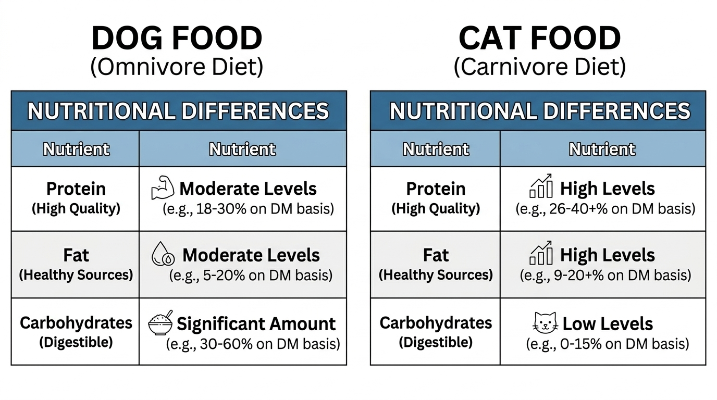
Feeding our furry companions forms an integral part of pet ownership, yet many may not realize that dogs and cats have strikingly different dietary needs. The primary reason behind these differences lies in the distinct nutritional requirements of each species. Dogs are classified as omnivores, enabling them to thrive on both animal and plant-based nutrients. In contrast, cats are obligate carnivores, meaning they require a diet primarily made up of meat for optimal health.
One significant discrepancy between dog and cat food is the protein content. Cats need a higher percentage of protein—approximately 30% to 50%—to satisfy their metabolic needs. This requirement stems from the evolutionary adaptations that led them to rely heavily on amino acids available in animal tissues. On the other hand, dog food is also protein-rich (typically around 18% to 30%) but reflects their more versatile eating habits. Diets lacking adequate protein can lead to severe health issues in cats, such as malnutrition and muscle wasting.
Fat content is another vital difference. Cat foods generally boast a higher fat content, often around 15% to 25%, providing the necessary energy source for their high-energy lifestyles. For dogs, fat content can range from 8% to 15%, offering sufficient energy while avoiding obesity. Feeding dogs cat food high in fat could lead to pancreatitis—an uncomfortable condition characterized by inflammation of the pancreas.
What Happens If a Dog Eats Cat Food?
While it may not be a dire concern if your dog occasionally sneaks a bite of cat food, pet owners should remain aware of the potential consequences. Since cat food is specifically designed for the nutritional needs of felines, which differ from those of canines, regular consumption can lead to problematic issues.
One immediate effect of dogs consuming cat food is digestive upset. The heightened protein and fat content may result in gastrointestinal distress, producing symptoms such as vomiting, diarrhea, or even pancreatitis in more severe cases. For instance, if a dog consumes a large quantity of cat food at once, they may experience discomfort or bloating from the abrupt dietary change.
If a dog continues to vomit, shows signs of dehydration, or exhibits prolonged diarrhea, prompt consultation with a veterinarian is necessary. Additionally, if unusual symptoms arise—such as excessive panting or extreme lethargy—a vet should be contacted for guidance. Responsible pet ownership encompasses understanding which foods are best suited for your pet's well-being. By being cognizant of these risks, pet owners can avoid unintentional health issues and ensure their dogs remain healthy and vibrant.
Managing Your Dog’s Cat Food Habit
Pet owners frequently grapple with the issue of their dogs sneaking into the cat food. To effectively address this common yet quirky behavior, several strategies can be implemented:
- Establish Separate Feeding Areas: Create designated mealtime spots for dogs and cats, reducing the chances of dogs sneaking snacks while allowing each pet to enjoy its designated food comfortably.
- Create Feeding Schedules: Synchronizing mealtimes can help minimize the likelihood of dogs eating the cat’s food. Once established, allow each pet to finish their meals without overlapping.
- Elevate Dog Feeding Stations: If your dog is particularly agile, consider raising the location where you feed the dog. Using elevated surfaces can ensure the cat can access its food while keeping it out of reach of the dog.
- Use Barriers: Physical barriers like baby gates can help maintain distinct feeding zones during mealtime, allowing the cat to eat undisturbed while preventing dogs from accessing cat food.
- Training Strategies: Employ training techniques to deter your dog from approaching the cat’s food. Commands such as “leave it” can be effective, rewarding your dog for compliance and reinforcing positive behavior.
By incorporating these practical solutions, pet owners can foster a harmonious feeding environment that respects the dietary needs of both cats and dogs. Engagement in these strategies will not only refine mealtime routines for your pets but will also alleviate concerns about nutritional mishaps that arise when dogs indulge in cat food.
Special Situations and Exceptions
While cat food is generally not suitable for dogs, certain special scenarios may mandate a reevaluation of feeding decisions based on health considerations. Instances such as illness or recovery from surgery may necessitate temporary deviations from standard feeding guidelines. For example, a veterinarian may recommend soft food, like wet cat food, for a dog recovering from gastrointestinal issues due to its palatable texture and richer fat content.
However, any exceptions must always be approached cautiously, focusing primarily on the dog’s health and well-being.
The importance of veterinary guidance cannot be overstated when making dietary choices for pets; a veterinarian can offer tailored advice based on each dog’s health needs, ensuring dietary adjustments do not have adverse effects. In emergencies, while it may be tempting to feed a dog cat food, such actions should only be undertaken after consulting with a veterinarian to confirm it won’t prompt negative reactions or long-term health issues.
In situations where a dog’s usual food is unavailable, cat food might suffice as a temporary measure. Nevertheless, pet owners should vigilantly monitor for any signs of digestive upset or allergic reactions. Utilitarian alternatives should be brief, with a prompt return to dog-formulated food as soon as possible. To maintain optimal health, it is essential that all significant dietary changes—even in emergencies—be discussed with a veterinarian.
Final Thoughts on Can I Feed Dogs Cat Food
In conclusion, grasping our pets' distinct dietary needs is paramount for their health and well-being. As outlined, dog food and cat food contain unique nutritional profiles tailored to their respective species' requirements. While a sporadic nibble of cat food may not pose an immediate risk for dogs, a diet consistently rooted in cat food can lead to severe health conditions like obesity and nutrient deficiencies. This reality highlights the need for responsible pet ownership and informed decision-making regarding feeding protocols.
Additionally, creating a secure feeding environment and proactively managing feeding challenges is essential to ensure that your dog receives the balanced nutrition they require. By recognizing the differences between canine and feline dietary expectations, pet owners can better understand how to care for their furry companions. Ultimately, prioritizing proper nutrition will enhance your dog’s quality of life and contribute to their long-term health. Responsible pet ownership involves more than just meeting basic needs; it also encompasses engaging with the broader implications of pet nutrition. Thus, always consult with a veterinarian when unsure about your pet's dietary requirements, securing their health for the years to come.

Just For You

Parenting
Baby Formula Feeding Chart An Essential Guide for New Parents
April 24, 2026
Pets
Cat Feeding Guide Understanding Portion Sizes and Daily Feeding Needs
April 16, 2026

Tourism
Best Travel Destinations for Couples Thoughtful Places to Share Meaningful Moments
April 3, 2026

Shopping
Best Product Skin Care Choices for Healthy, Balanced, and Radiant Skin
April 15, 2026
Recommended For You

Parenting
What Are the Best Baby Sleep Sacks Safety, Types, and Buying Guide
May 16, 2026

Pets
Clicker Training for Cats A Beginner's Guide to Positive Reinforcement
April 15, 2026

Tourism
Budget Travel How to Travel the World on a Budget
May 6, 2026

Shopping
The Best Adidas Running Shoes Finding the Perfect Balance for Every Runner
April 11, 2026