Parenting
Baby Formula Feeding Chart An Essential Guide for New Parents
April 24, 2026
Navigate baby formula feeding with our essential chart for new parents. Discover guidelines, tips, and solutions for optimal infant nutrition.
Feeding a newborn is more than a task—it's a fundamental part of nurturing and developing a healthy child. Proper nutrition during early infancy provides the building blocks that support growth, brain development, and overall well-being. In this crucial stage, a baby formula feeding chart becomes an essential tool for parents, helping them understand the amounts and frequency of formula their baby requires based on age and growth patterns. However, while these charts are valuable, they should be viewed not as rigid mandates but as flexible guides tailored to each baby's unique needs.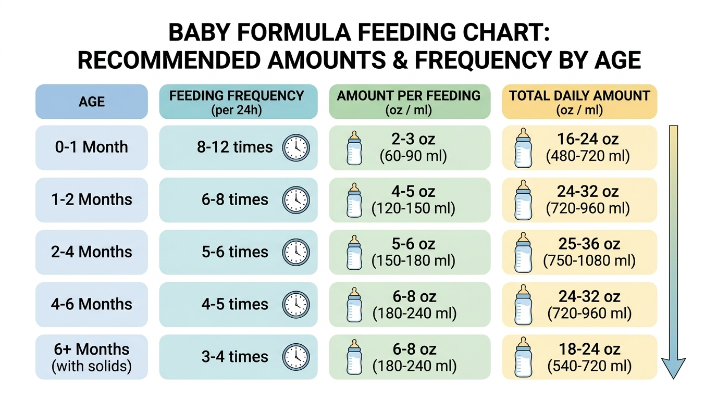
The purpose of a baby formula feeding chart is to simplify the complexities of infant nutrition, offering practical insights on how much and how often to feed. Each baby has different appetites and growth rates, and responding to those individual cues is vital. Understanding that nurturing through feeding is just as significant as the nutrition itself can empower parents to approach feeding times with warmth and confidence. By using these charts as a supportive tool, parents can foster a nurturing feeding environment that strengthens their bond with their infants, adapting to their specific needs with love and care.
Understanding Baby Formula Feeding Chart Basics
Why Feeding Charts Are Helpful But Not Absolute Rules
Feeding charts serve a critical purpose in providing a framework for new parents diving into the complexities of formula feeding. They present general guidelines on how much and how often to feed a baby, thereby ensuring that infants receive the essential nutrients required for healthy growth. However, it is essential to understand that every baby is distinctly unique, and not all babies will conform to the figures presented in these charts. Thus, rather than viewing these charts as something absolute, parents should see them as useful reference points—flexible enough to adapt to their baby's specific needs. By being intentional about observing and interpreting their babies' hunger cues, parents can establish feeding patterns that are individualized for success.
Key Factors That Influence Formula Intake
Several important factors can significantly affect a baby's formula intake, and comprehending these can help parents make informed feeding decisions. A baby’s weight is pivotal, as their growing bodies have varying formula requirements based on size. Additionally, growth spurts often result in temporary increases in appetite, prompting infants to consume more than average. Developmental milestones play a crucial role in altering feeding patterns; as babies become more active, their nutritional demands may evolve. Therefore, it is essential for parents to pay close attention to their baby’s physical indicators—such as signs of hunger, like rooting and sucking, as well as indications of fullness, which serve as vital signals of their ongoing nutritional needs.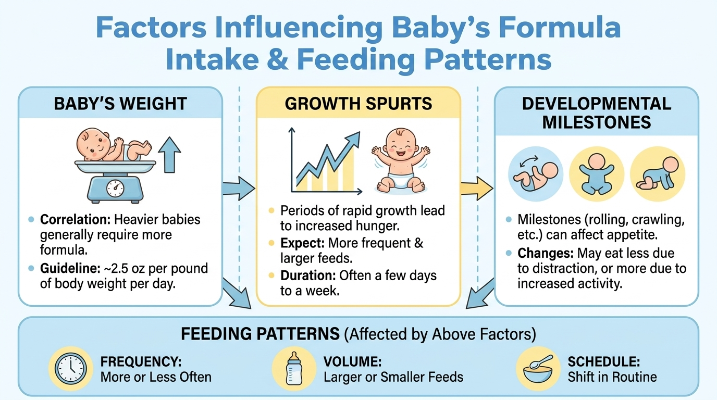
Baby Formula Feeding Chart by Age
0–2 Weeks: Newborn Feeding Patterns
In the first two weeks, newborns typically feed every 2 to 3 hours, consuming around 1.5 to 3 ounces of formula per feeding. This initial pattern is crucial for developing good feeding habits and ensuring nutrient intake conducive to healthy growth. New parents should watch for hunger cues—like rooting and sucking—for signs that their newborn is ready for feeding.
2 Weeks to 2 Months: Feeding Needs
As babies grow, their appetites often increase within the 2-week to 2-month timeframe. Parents may observe that babies can consume up to 4 to 6 ounces per feeding, typically every 3 to 4 hours. Growth spurts might prompt sudden boosts in hunger, leading to more frequent feedings. Staying flexible and attuned to these changing needs is important to provide the right amount of nourishment for optimal development.
3–6 Months: Feeding Changes
From 3 to 6 months, many parents begin introducing solid foods alongside formula as part of their baby’s diet. While formula still plays a pivotal role in nutrition, adding purees will alter feeding dynamics. Generally, babies will consume about 4 to 6 ounces of formula per feeding, and the frequency of intake can stabilize. It's important for parents to closely oversee how their baby adjusts—this can greatly influence overall appetite and formula consumption.
6–12 Months: Transition Feeding
During the transition from formula to solid foods—primarily from 6 to 12 months—the introduction of diverse solid foods is encouraged, and parents may gradually taper formula feedings. By the end of this period, many babies will take around 3 to 5 bottles of formula, each containing about 4 to 8 ounces daily. This shift allows for a balanced diet while ensuring infants still receive vital nutrients through formula until they successfully adapt to a more varied diet.
How Much Formula Does a Baby Need Daily?
Average Intake Guidelines by Weight and Age
When it comes to feeding your baby formula, sticking to intake guidelines that vary by weight and age is essential. Generally, an infant needs about 2.5 ounces of formula for every pound of body weight daily. For instance, a 10-pound baby would require approximately 25 ounces of formula allocated throughout the day. Newborns typically start at 1.5 to 3 ounces per feed in their first week, gradually increasing to 4 to 6 ounces by the time they reach 1 month. By ages 2 to 4 months, babies may average around 6 to 8 ounces per feeding, about 5 to 6 times daily. Approaching 6 months, as solids are introduced, formula intake may slightly decrease, but babies usually still need around 24 to 32 ounces of formula each day.
Signs Your Baby Is Getting Enough Milk
Concerns about whether a baby is receiving enough formula are common among parents. Several observable indicators can help reassure caregivers. If a baby appears content and satisfied after feedings, they are likely being adequately nourished. Regular wet diapers—approximately 6 to 8 per day—and a minimum of 3 to 4 bowel movements weekly suggest proper hydration and digestion. Healthy weight gain also plays a crucial role, typically monitored during pediatric check-ups. Furthermore, well-hydrated infants often exhibit smooth, supple skin with good muscle tone and responsiveness. If parents observe these signs, it is likely that their baby is receiving sufficient formula to meet their nutritional requirements.
Feeding Frequency and Practical Scheduling Tips
How Often Newborns Typically Feed
In the early weeks, newborns will typically require feedings every 2 to 3 hours. This frequent feeding schedule is crucial due to their small stomach capacity, necessitating manageable portions of formula. Parents should be attentive to feeding cues—such as rooting, hand-sucking, or fussiness—to recognize when their baby is ready to eat. Responding to these signals can establish a responsive feeding routine that fulfills the newborn's needs.
Night Feeding Expectations
In the first months, new parents can expect to wake their newborn for feedings every 3 to 4 hours during the night. While this can feel taxing, it's essential for babies to receive the nourishment they need. Effective management of nighttime feedings can include keeping prepped formula readily available, utilizing soft lighting, and minimizing stimulation to help the baby settle back to sleep quickly. Maintaining this routine fosters a sense of comfort and security for both parents and babies.
Adjusting Feeding Routines Gradually
As babies mature, their feeding demands will evolve, allowing for a gradual shift in feeding routines. Around 4 to 6 months, parents may start leading their babies towards longer intervals, transitioning to every 4 hours. It’s critical to remain attuned to their baby’s hunger cues, as these signals indicate necessary adjustments in frequency. Introducing new patterns should be done gently to ensure the baby remains satisfied and healthy throughout this transition.
Common Concerns About Formula Feeding
Overfeeding and Underfeeding Signs
Identifying signs of overfeeding and underfeeding is fundamental in securing your baby's well-being. Overfeeding may present itself through frequent spit-up after feedings, lethargy, or unusual fussiness. Parents should heed signs such as pulling away from the bottle or refusing to eat—these can indicate a need for less formula. Conversely, underfeeding manifests through persistent hunger signals, like rooting or crying following a feeding, particularly if the baby appears unsatisfied after their usual portion. A practical guide is to monitor wet diapers; commonly, well-fed babies will produce six to eight wet diapers daily. Recognizing these signs can empower parents to manage their baby’s nutrition confidently.
Spit-Up, Digestion, and Normal Variations
Spit-up and gassiness are common occurrences among formula-fed infants. Most babies will spit up occasionally due to their developing digestive systems, a typical process that usually does not warrant concern. However, if spit-up appears forceful or greenish, or if the baby seems distressed, consulting a healthcare provider is advisable. Furthermore, some fussiness and gas can arise as the baby's digestive system adjusts to formula feeding. To counteract discomfort, routine burping during and following feedings is essential. If any digestive complications arise repeatedly or are accompanied by noticeable reductions in weight gain or feeding, seeking reassurance from a pediatrician is critical, as they can provide tailored guidance and support.
Embracing the Feeding Journey
Understanding and utilizing a baby formula feeding chart can be an invaluable resource for new parents navigating the feeding process. However, it is crucial to remember that these charts are guidelines designed to support, not dictate, your baby’s nutritional needs. Each baby is unique, with individual requirements that may differ from the standardized recommendations. Therefore, flexibility is key.
While the chart provides a helpful framework for feeding amounts according to age, it is essential to pay attention to your baby's cues and consult with healthcare providers for personalized advice tailored to your situation. This relationship between parents and professionals can help ensure that all considerations—from growth patterns to feeding preferences—are taken into account. Ultimately, the baby formula feeding chart stands as a valuable tool in the nurturing process, guiding routine feeding while promoting a healthy bond through nourishment. Embrace the guidance while remaining adaptable to your baby's unique journey. Above all, remember: you are empowered to make the best choices for your child as you learn and grow together.


Just For You

Parenting
Understanding When Ectopic Pregnancy Symptoms Start A Comprehensive Guide
May 9, 2026

Pets
Can I Feed Dogs Cat Food What Pet Owners Need to Know
May 2, 2026

Tourism
Best Destinations to Travel in June Where the World Feels Just Right
April 17, 2026

Shopping
The Best Adidas Running Shoes Finding the Perfect Balance for Every Runner
April 11, 2026
Recommended For You

Parenting
Circumcision Care for Newborns A Practical Guide for Parents
April 25, 2026

Pets
How to Crate Train a Puppy Safely
June 19, 2026
Tourism
Best Destinations to Travel in June Where the World Feels Just Right
April 17, 2026

Shopping
Best Product Skin Care Choices for Healthy, Balanced, and Radiant Skin
April 15, 2026