Parenting
A Comprehensive Guide to Caring for Newborns Essential Tips for First-Time Parents
April 3, 2026
Discover essential tips for first-time parents on newborn care. Learn about feeding, sleep, hygiene, and bonding to nurture your baby's well-being.
The arrival of a newborn represents a significant transformation in the lives of new parents, blending profound joy with a sea of uncertainty. The importance of proper newborn care cannot be overstated; it serves as the essential foundation for nurturing a healthy and content child. During those initial days, parents embark on an emotional journey rich with wonder and vulnerability, striving to decode their baby's cues amid sleepless nights and constant feeding schedules. This guide is structured to empower parents by providing practical insights and compassionate advice, enhancing their confidence in caregiving. As you tackle the unique challenges of this delicate period, remember that you are not alone; informative resources are just a page away. Each step taken not only contributes to the care of your newborn but also helps you establish a bond that will last a lifetime.

Understanding the Basics of Care for Newborns
Caring for a newborn can be overwhelming, yet understanding its key components can ease the transition significantly. In the early weeks, feeding is critical; infants typically need to eat every two to three hours. Parents may opt for breastfeeding or formula feeding, both of which come with their own set of challenges and learning curves. Additionally, proper diapering is vital; parents should watch for signs of wet or soiled diapers to ensure the baby's comfort and well-being. Establishing a sleep routine also plays an essential role since newborns usually sleep around 16 to 17 hours a day, albeit in short intervals, which can be taxing for new parents.
As first-time parents navigate this journey, it's pivotal to acknowledge the substantial learning curve involved. Mastering the skills to soothe a crying baby, creating a reliable feeding schedule, and becoming adept at diaper changes will require time and practice. It is helpful to lean on a support network—family, friends, or parenting groups—because you are not alone in facing these challenges. Each day offers new experiences and valuable lessons, marking these early weeks as a crucial period for family bonding and growth.
Feeding and Nutrition Care for Newborns
Breastfeeding and Formula Feeding Basics
Breastfeeding offers a multitude of benefits, providing essential nutrients, antibodies and fostering a closer bond between mother and baby. However, it can come with challenges, such as discomfort, time commitments, and difficulties in establishing a routine. For families encountering these hurdles, formula feeding is a practical alternative, ensuring balanced nutrition and convenience. To set a successful feeding routine, aim to feed your newborn on demand, while also developing a schedule that aligns with your lifestyle. Incorporate feeding times into your daily rhythm, ensuring that both you and your baby feel at ease during each session.
Feeding Patterns and What is Considered Normal
Newborns typically feed every two to three hours, both day and night. Recognizing hunger cues, such as rooting, sucking on fingers, or increased alertness, is vital for promptly tending to their needs. While establishing a feeding schedule can be beneficial, adapting to each baby's unique cues and preferences is equally important. Keep in mind that some babies may require more frequent feedings, while others may go longer between feeds. Being flexible and responsive to individual needs will promote a supportive feeding environment for both parents and their newborns.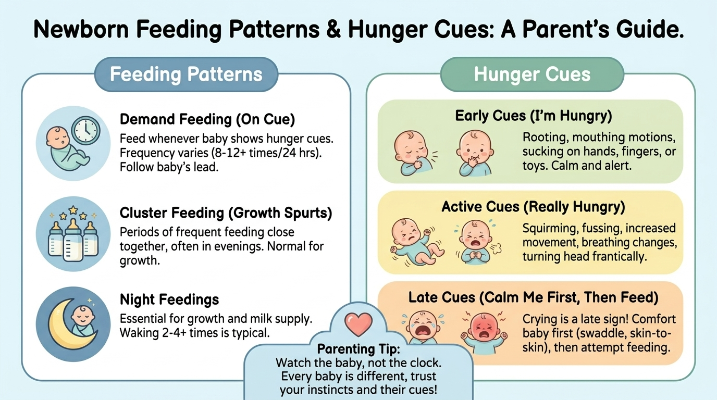
Sleep and Comfort Care for Newborns
Safe Sleep Practices for Infants
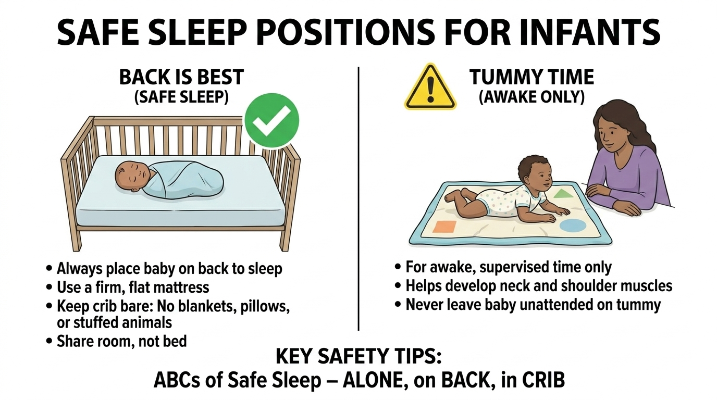
Creating a safe sleep environment for newborns is crucial for their health and safety. The American Academy of Pediatrics emphasizes placing infants on their backs to sleep, as this significantly lowers the risk of Sudden Infant Death Syndrome (SIDS). Parents should avoid placing soft bedding, pillows, or toys in the crib; instead, use a firm mattress with a fitted sheet. Additionally, the crib should be devoid of bumper pads and loose blankets. Room-sharing without bed-sharing is recommended, as it allows parents to closely monitor their baby while providing a secure sleeping space.
Understanding Newborn Sleep Cycles
Newborns have sleep patterns that are remarkably different from adult sleep cycles. They generally sleep for brief periods, averaging 50-60 minutes at a time, which often leads to confusion regarding day and night. This may leave parents feeling overwhelmed as their baby could sleep more during the day than at night. To aid in regulating sleep patterns, establish a consistent bedtime routine and expose your baby to natural light during the day. Over time, their circadian rhythm will develop, resulting in longer sleep stretches at night, granting much-needed rest for parents.
Hygiene and Daily Care for Newborns
Bathing, Diapering, and Skin Care Essentials
To gently clean your newborn, utilize a soft washcloth and lukewarm water. Start by wiping the baby’s face and avoid using soap until necessary. It's advisable to bathe your baby two to three times a week to prevent skin irritation; however, daily cleaning of their hands, neck, and diaper area is essential for hygiene. When changing diapers, ensure that all supplies are at hand—diapers, wipes, and ointment. Lay your baby on a clean surface and carefully remove the used diaper. Clean the area from front to back to help prevent infection. If needed, apply barrier cream before placing on a fresh diaper.
Keeping the Newborn Environment Clean and Safe
Maintaining a hygienic environment is vital for your newborn’s health. Begin by regularly sanitizing feeding tools; using bottle brushes alongside warm, soapy water is effective. Clean all surfaces, especially changing tables and cribs, daily with non-toxic cleaners. Keep irritants away by avoiding smoking in the home and opting for non-toxic cleaning products. Furthermore, wash your hands before handling your baby or preparing their food. Routine checks for dust and allergens in their surroundings can help create the safest possible environment for your child.
Health Monitoring and Early Warning Signs
What Parents Should Observe in the First Weeks
In the initial weeks of having a newborn, keen observation is paramount. Parents should track critical health indicators to verify that their baby is thriving. This includes monitoring feeding patterns to ensure optimal latch and frequency, aiming for 8-12 feedings daily for breastfeeding infants. Weight gain serves as another crucial indicator, with most newborns regaining their birth weight by the end of the second week. Additionally, pay attention to your baby's demeanor; although it is typical for them to be sleepy, excessive lethargy or fussiness may be concerning.
When to Seek Medical Advice
Recognizing when to consult a medical professional can provide parents with essential peace of mind. If a baby exhibits signs of difficulty breathing, maintains a persistent high fever (exceeding 100.4°F), or refuses to feed for more than 24 hours, it is important to reach out to a pediatrician. Similarly, any unusual rash, ongoing vomiting, or a lack of wet diapers for over six hours should prompt a doctor's visit. While remaining vigilant is important, it’s also reassuring to know that not every issue requires immediate action. Trust your instincts, and do not hesitate to seek guidance when it feels appropriate.
Emotional Bonding and Early Development Care
Skin-to-Skin Contact and Bonding
Physical touch plays a vital role in bonding between parents and their newborns. Skin-to-skin contact, often referred to as kangaroo care, allows parents to hold their baby closely, nurturing a profound emotional connection. This intimate interaction enhances the baby's sense of security and establishes the foundation for a healthy attachment. Moreover, the warmth and steady rhythm of a parent's heartbeat can soothe the infant, promoting a feeling of comfort and trust. Research indicates that such physical interactions positively influence brain development, leading to improved emotional regulation in the child as they grow. By making skin-to-skin contact a regular practice, parents can help their newborns engage with the world in a nurturing environment, which is essential for lifelong emotional well-being.
Early Stimulation and Interaction
Interacting with your newborn through simple activities can significantly promote early growth and development. Consider gentle baby massage to stimulate skin and enhance relaxation, or holding your baby closely during feeding to cultivate emotional responsiveness. Singing softly, talking, or reading aloud enables your baby to start recognizing your voice and developing listening skills. Gentle movements, like softly moving their arms and legs, encourage coordination and stimulate muscle growth. Additionally, making eye contact and smiling strengthen your bond, supporting social development and laying the groundwork for effective communication in the future.
Common Challenges in Caring for Newborns
Crying, Colic, and Adjustment Period
Newborns communicate primarily through crying, which can often overwhelm new parents. Common reasons for crying include hunger, discomfort, and the often-challenging colic period, which generally lasts between three to four months. During this time, colicky babies may cry for extended periods, leaving parents feeling helpless. To manage this phase, parents can experiment with soothing techniques like swaddling, rocking, or using white noise. It is crucial to remember that this phase is temporary, and seeking support from others can significantly ease the burden.
How Parents Can Manage Stress and Fatigue
Navigating parenthood can be exhausting, making self-care a crucial priority. Parents should focus on their well-being by taking short breaks, practicing deep breathing, or engaging in enjoyable activities. Establishing a robust support system is vital; family members and partners can offer much-needed respite and companionship. Don’t hesitate to share your feelings with loved ones—open communication about your experiences helps manage stress and strengthens familial bonds, fostering a nurturing atmosphere for both baby and parents.
Final Thoughts on Care for Newborns
As we reflect on this comprehensive guide to newborn care, it is vital to emphasize the key points discussed throughout. From grasping fundamental feeding and sleep needs to establishing hygiene practices and monitoring health, each element plays a significant role in your newborn's well-being. Trusting your instincts as a parent is crucial; remember that you know your baby best. However, do not hesitate to consult professionals whenever doubts arise. This journey will present its own set of challenges, yet it is equally rewarding. Embrace the learning experience and cherish the bond being forged with your child. Every parent's journey is unique, and together, we can navigate these waters with confidence and love. The adventure of parenthood is just beginning, and with each passing day, you'll become more attuned to your little one’s needs.

Just For You
Parenting
Car Seats for Newborns A Practical Safety Guide for New Parents
April 22, 2026

Pets
How Much Dry Food to Feed a Cat
June 21, 2026

Tourism
Tropical Honeymoon Destinations Romantic Islands and Beach Escapes for Couples
April 7, 2026

Shopping
Personalized Family Gifts That Strengthen Meaningful Connections at Home
April 13, 2026
Recommended For You

Parenting
Balance Ball Pregnancy Exercises Safe Movements for Comfort, Strength, and Labor Preparation
March 24, 2026

Pets
How to Crate Train a Puppy Safely
June 19, 2026

Tourism
Best Destinations to Travel in June Where the World Feels Just Right
April 17, 2026

Shopping
Personalized Gifts for Grandma That Feel Thoughtful and Truly Meaningful
April 13, 2026