Parenting
Is Diarrhea Normal During Pregnancy Causes and When to Worry
May 23, 2026
Discover the causes and management strategies for diarrhea during pregnancy. Understand symptoms, hydration needs, and when to seek medical help.
Diarrhea is often an overlooked concern among expectant mothers, yet it plays a significant role in their overall well-being during pregnancy. Characterized by loose or watery stools, diarrhea may arise for various reasons, including hormonal changes, dietary shifts, and reactions to prenatal vitamins. While more commonly associated with symptoms like morning sickness or fatigue, diarrhea can markedly affect hydration and nutritional intake, both of which are vital for the mother and her developing baby. This article explores the connection between diarrhea and pregnancy, emphasizing its importance and the need for proper management to ensure a smoother prenatal experience. If you are unsure whether your symptoms are related to pregnancy, you may also want to read more about early signs of pregnancy and how they develop in the first few weeks.
Defining Early-Stage Pregnancy
Early-stage pregnancy typically refers to the first trimester (weeks 1-12) following conception, a period during which many women encounter various physical and emotional changes. Symptoms such as missed periods, nausea (morning sickness), breast tenderness, fatigue, and increased urination are common as hormonal levels fluctuate to sustain fetal development. Hormones like human chorionic gonadotropin (hCG) and progesterone rise significantly, creating an environment conducive to nurturing the embryo.
Among many inquiries, one crucial question arises: Is diarrhea a symptom of early pregnancy? Though not as frequently discussed, diarrhea can indeed affect some women in early pregnancy. Research indicates that roughly 25% of pregnant women may experience gastrointestinal disturbances, including diarrhea, during this stage. This occurrence is linked to biological factors, including hormonal changes, dietary adjustments, and an increase in gut sensitivity.
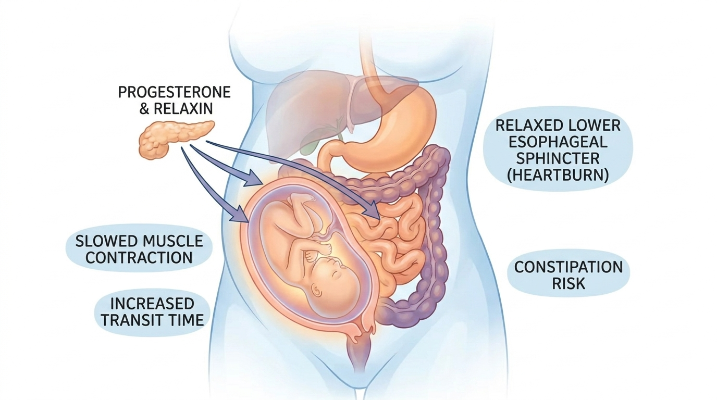
In particular, the rise in progesterone plays a key role in digestive changes. Progesterone relaxes smooth muscle tissues throughout the body, affecting the intestines and potentially altering bowel movements. Many expectant mothers may also experience heightened sensitivity to certain foods or prenatal vitamins, resulting in digestive distress. Gaining an understanding of these connections enables pregnant women to better navigate their symptoms and seek appropriate guidance, ensuring both their comfort and health as they progress through this pivotal developmental phase. During pregnancy, the pelvic floor plays a critical role in supporting the uterus, and you can learn more about this in our guide on pelvic floor exercises during pregnancy and why they matter.
Exploring the Causes of Diarrhea in Early Pregnancy
Diarrhea during early pregnancy may come as an unexpected challenge, arising from multiple factors. Familiarizing oneself with these causes can empower expectant mothers to take charge of their health and comfort.
Hormonal Changes and Digestive Disturbances
A primary factor contributing to diarrhea during pregnancy is the surge in progesterone levels, which significantly impacts digestion. While this hormone is essential for a healthy pregnancy, it also relaxes smooth muscle tissue throughout the gastrointestinal tract. Despite assisting in some digestive processes, this relaxation can lead to increased bowel movements and diarrhea among some women, as hormone levels can disrupt normal digestive functions.
The Impact of Dietary Changes
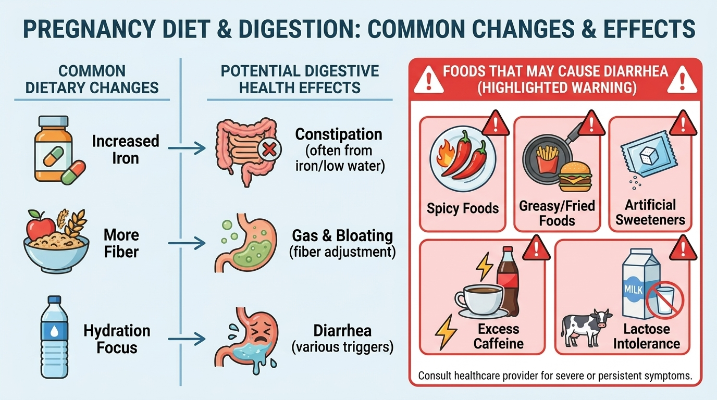
During pregnancy, many women adjust their diets to accommodate the nutritional needs of their growing fetus. However, the introduction of new foods, additional nutrients from prenatal vitamins, and dietary modifications can upset the digestive system. Specific prenatal vitamins containing iron, in particular, may lead to gastrointestinal disturbances such as diarrhea or loose stools. It is essential for mothers-to-be to observe how their dietary changes impact their bodies and to communicate these observations with healthcare providers.
Psychological Contributors: Stress and Anxiety
Pregnancy's emotional landscape can vary significantly, encompassing everything from joy to anxiety. Stressful periods can take a toll on the digestive system, potentially leading to diarrhea. When under stress, the body may react with increased bowel activity, resulting in loose stools. Therefore, managing stress-related emotions is crucial for maintaining digestive health during pregnancy.
Identifying Symptoms: When to Seek Help
As a pregnant woman experiences digestive changes, it can be crucial to discern between normal symptoms and those that could indicate more severe issues. Severe abdominal pain, continuous vomiting, and signs of dehydration—including dark urine, persistent thirst, or dizziness—warrant immediate medical attention. Communicating regularly with healthcare providers about any symptoms or concerns—whether minor or significant—is essential. Keeping track of unusual symptoms, learning about typical digestive patterns during pregnancy, and identifying warning signs requiring urgent care are proactive steps to take.
Managing Diarrhea: Effective Care Methods
Effectively managing diarrhea during pregnancy is crucial for the safety of both the mother and her baby. Here are practical recommendations to aid in navigating this common concern.
Hydration Practices:
- Stay Hydrated: Increase fluid intake to at least 8-10 glasses every day. Water is optimal, but options such as:
- Clear broths
- Herbal teas like ginger or chamomile
- Oral rehydration solutions (ORS) can also help.
- Steer Clear of Caffeine and Alcohol: These substances can exacerbate dehydration and should be avoided.
Dietary Recommendations:
When experiencing diarrhea, moderation is key. Opt for bland foods that can soothe the digestive system, such as:
- Bananas: Gentle on the tummy and packed with potassium to replenish lost electrolytes
- Rice: Plain white rice can help solidify stools
- Applesauce: Mild and contains pectin, promoting stool formation
- Dry Toast: Plain white bread avoids irritating the digestive tract
- Boiled Potatoes: Without added butter or seasonings to ease digestion
Important Guidelines:
- Monitor Symptoms: If diarrhea extends beyond 24 hours, or if it is accompanied by fever, dehydration, or significant abdominal pain, it is time to reach out to your healthcare professional.
- Be Selective with Food and Drink: Avoid spicy foods, dairy products (especially if lactose intolerant), sugary drinks, and artificial sweeteners, as they can worsen symptoms.
Medications to Avoid:
Consult with your doctor before taking over-the-counter medications such as loperamide (Imodium) for diarrhea, as some may not be safe during pregnancy. Always discuss any medications—prescribed or over-the-counter—with your healthcare provider to ensure your safety and that of your unborn child.
Keeping Your Well-Being a Priority
While diarrhea during pregnancy may be common, expectant mothers must monitor their symptoms carefully. This gastrointestinal issue, though often arising from hormonal fluctuations or dietary changes, could signal underlying health concerns. Persistent diarrhea or severe symptoms should prompt consultation with a healthcare provider to safeguard both mother and child. Many expectant mothers use exercise balls to relieve pressure on the lower back, which is explained in our guide on why birthing ball workouts are beneficial during pregnancy. Remember, sharing experiences among expecting mothers can alleviate feelings of isolation. Prioritizing personal well-being throughout the pregnancy journey is paramount, paving the way for a healthier and happier experience.

Just For You

Parenting
What Are the Pregnancy Symptoms A Clear Guide to Early Signs and Timing
April 14, 2026

Pets
The Importance of Cat Training
May 25, 2026

Tourism
Best Travel Destinations for Couples Thoughtful Places to Share Meaningful Moments
April 3, 2026

Shopping
The Best Adidas Running Shoes Finding the Perfect Balance for Every Runner
April 11, 2026
Recommended For You
Parenting
Baby Formula Feeding Chart An Essential Guide for New Parents
April 24, 2026

Pets
Can Dogs Eat Cat Food What Pet Owners Should Know
June 3, 2026

Tourism
Best Places to Travel Solo Safe and Inspiring Destinations
April 27, 2026

Shopping
Best Product Skin Care Choices for Healthy, Balanced, and Radiant Skin
April 15, 2026