Pets
How to Crate Train a Puppy Safely
June 19, 2026
Learn effective and safe crate training techniques for puppies. Foster a comfortable environment and foster trust with positive reinforcement.
Crate training is a widely used method for helping puppies develop confidence, independence, and good household habits when introduced correctly. The purpose of crate training is not to restrict a puppy’s movement or use confinement as punishment, but to help the puppy recognize the crate as a comfortable and secure resting area.
A successful crate training process depends on gradual introduction, positive reinforcement, and careful observation of the puppy’s behavior. When a puppy learns that the crate is associated with meals, rest, treats, and relaxation, they are more likely to accept it as a normal part of their daily routine.
The goal is to create a positive relationship between the puppy and the crate while ensuring that their physical and emotional needs are respected throughout the training process.
What Safe Crate Training Looks Like
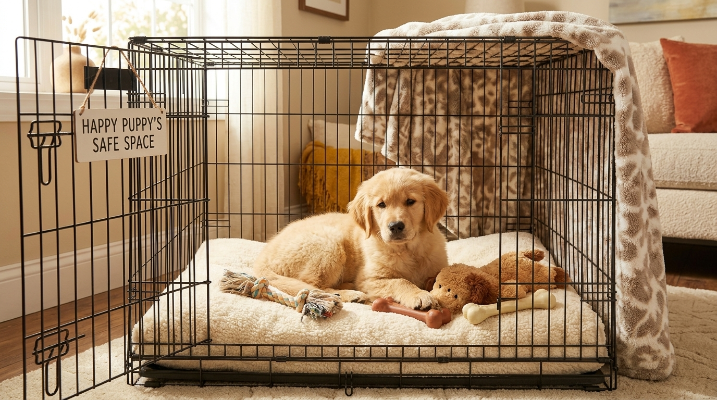
Safe crate training focuses on helping a puppy become comfortable with the crate through gradual exposure rather than forcing them to remain inside before they are ready. A puppy should be allowed to investigate the crate voluntarily and develop positive associations through experiences that feel rewarding and predictable.
During the early stages, owners can encourage exploration by placing treats, toys, or comfortable bedding inside the crate while leaving the door open. This allows the puppy to enter and exit freely while learning that the crate is not a place associated with isolation or punishment.
Paying attention to body language is an important part of responsible crate training. Relaxed posture, normal breathing, and voluntary entry usually indicate that a puppy is becoming comfortable, while persistent whining, scratching at the door, or attempts to escape may suggest that the training process is moving too quickly.
A well-introduced crate can become a useful tool for house training, travel, rest periods, and situations where a puppy needs a safe space.
Choosing and Setting Up the Right Crate for Your Puppy
Selecting an appropriate crate is one of the first steps toward successful crate training. The crate should provide enough space for a puppy to stand comfortably, turn around, lie down, and adjust their sleeping position without feeling restricted.
However, the crate should not be excessively large during the early stages of house training. If there is too much unused space, some puppies may be more likely to eliminate in one area while sleeping in another. For growing puppies, adjustable crates with dividers can be useful because the available space can change as the puppy grows.
Ventilation is another important consideration. The crate should allow sufficient airflow and should be placed in an area with a comfortable temperature, away from direct sunlight, heating vents, or places with extreme temperature changes.
The location of the crate can also influence how comfortable a puppy feels. Many puppies adjust well when the crate is placed in a quiet area near normal household activity, such as a family room, because this allows them to feel included without being overwhelmed.
Inside the crate, use safe and washable bedding that matches your puppy’s needs. Avoid leaving collars, loose items, or objects that could create choking risks when the puppy is unsupervised.
Step 1: Create Positive Associations With the Crate
The first stage of crate training is helping your puppy view the crate as a positive and comfortable space. Begin by keeping the crate door open and allowing your puppy to investigate naturally rather than placing them inside and closing the door immediately.
Treats and toys can be used to encourage curiosity. For example, placing a few pieces of kibble near the entrance and gradually moving them farther inside allows the puppy to explore the crate at their own pace.
Whenever your puppy enters voluntarily, reward the behavior with calm praise or a small treat. The purpose is to teach the puppy that entering the crate leads to positive experiences.
Avoid pushing, forcing, or using the crate as a place for punishment. Negative experiences during the early stages can make puppies more hesitant and slow down the training process.
Step 2: Introduce Meals and Short Door Closures
Once your puppy is comfortable entering the crate, the next step is introducing meals inside the crate. Feeding your puppy near or inside the crate helps strengthen the association between the crate and positive daily activities.
Initially, keep the crate door open while your puppy eats. After your puppy appears relaxed, begin closing the door briefly during meals and opening it again shortly afterward.
The length of time the door remains closed should increase gradually based on your puppy’s comfort level. Some puppies may adjust within a few days, while others may need additional time.
During this stage, observe your puppy’s reactions. Calm behavior, relaxed posture, and continued eating indicate that the puppy is becoming comfortable. If the puppy becomes distressed, reduce the duration and return to a previous step.
Step 3: Gradually Increase Crate Time
After your puppy accepts short periods with the door closed, you can gradually increase the amount of time they spend in the crate.
Begin with short intervals while you remain nearby. Reward calm behavior and avoid releasing the puppy immediately when whining begins, as this may accidentally teach them that crying opens the crate door.
However, it is equally important not to ignore genuine distress. The goal is to help the puppy build confidence, not force them to tolerate uncomfortable situations.
Each puppy develops at a different pace, so crate training should be adjusted according to individual temperament, age, and previous experiences.
Preparing for Short Absences and Nighttime Crate Use
Once your puppy is comfortable resting in the crate, you can begin preparing for short periods when you are away. Start with brief absences, such as leaving the room for a few minutes, and gradually increase the duration as your puppy remains calm.
Returning quietly can help prevent the crate from becoming associated with dramatic departures and reunions. Keeping these moments routine and predictable helps puppies understand that being alone temporarily is normal.
For nighttime crate training, placing the crate near your bedroom during the early stages may help younger puppies feel more secure while also allowing owners to notice when a puppy needs a bathroom break.
A comfortable sleeping area, familiar bedding, and a consistent bedtime routine can make nighttime crate use easier. If a puppy shows persistent distress, the training schedule may need to be adjusted rather than extended too quickly.
Crate Time, Bathroom Breaks, and Puppy Welfare
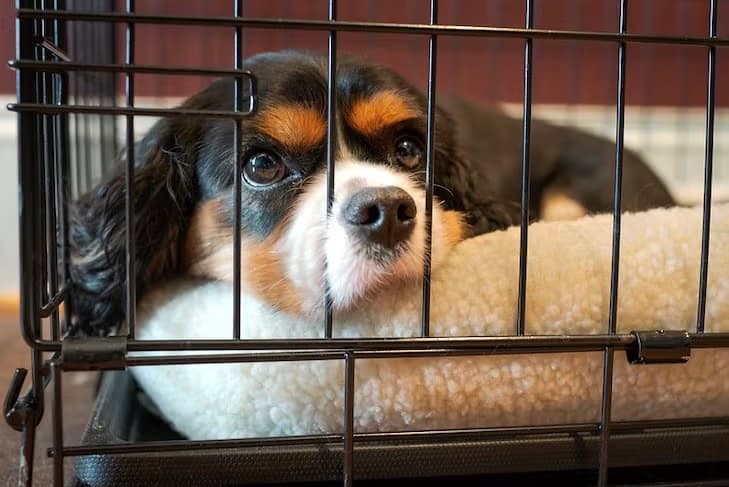
The amount of time a puppy spends in a crate should always match their age, bladder control, and individual needs. Young puppies require frequent bathroom breaks because they have limited ability to hold their bladder for extended periods.
Although general guidelines suggest that puppies may be able to hold their bladder for roughly one hour per month of age, this varies between individual dogs. Factors such as size, health, activity level, and previous training experience can influence how long a puppy can comfortably wait.
Crates should not be used as a solution for leaving a puppy alone for an entire day. Puppies need regular opportunities for exercise, social interaction, training, and mental stimulation.
A balanced routine that includes crate time, play, training, and bathroom breaks helps prevent frustration and supports healthy development.
Recognizing Stress Signs and Avoiding Common Mistakes
Understanding signs of stress is essential for maintaining a positive crate training experience. Puppies communicate discomfort through their behavior, and owners should respond when signs indicate that the training process may be progressing too quickly.
Possible signs of stress include:
- persistent whining or barking;
- excessive panting;
- drooling;
- repeated attempts to escape;
- destructive behavior around the crate.
Common crate training mistakes include introducing the crate too quickly, using it as punishment, or expecting a puppy to remain inside longer than they can comfortably manage.
If a puppy continues showing significant anxiety despite gradual training, professional guidance may be helpful. A veterinarian or qualified animal behavior professional can help determine whether the issue is related to separation anxiety, fear, or another underlying concern.
Building a Positive Relationship With Crate Training
Safe crate training is a gradual process that requires consistency, patience, and attention to a puppy’s individual needs. The crate should become a predictable resting place where the puppy feels comfortable rather than a space associated with isolation or punishment.
By introducing the crate slowly, rewarding calm behavior, and respecting appropriate limits, owners can help their puppies develop confidence and independence. When used correctly, crate training can support house training, travel preparation, and everyday routines while maintaining the puppy’s overall welfare.
Just For You
Parenting
Balance Ball Pregnancy Exercises Safe Movements for Comfort, Strength, and Labor Preparation
March 24, 2026
Pets
Can I Feed Dogs Cat Food What Pet Owners Need to Know
May 2, 2026

Tourism
Best Hidden Gems in the United States 2026 Travel Guide
April 29, 2026

Shopping
Unlocking Value The Best Cheap Running Shoes That Don’t Skimp on Comfort
April 13, 2026
Recommended For You
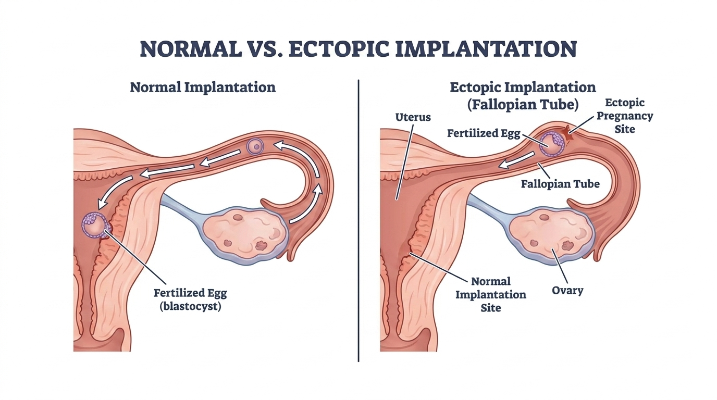
Parenting
Understanding When Ectopic Pregnancy Symptoms Start A Comprehensive Guide
May 9, 2026
Pets
How Often to Feed a Cat A Practical Guide for Every Life Stage
April 23, 2026

Tourism
Best Travel Destinations for Couples Thoughtful Places to Share Meaningful Moments
April 3, 2026
Shopping
Unlocking Value The Best Cheap Running Shoes That Don’t Skimp on Comfort
April 13, 2026