Parenting
Balance Ball Pregnancy Exercises Safe Movements for Comfort, Strength, and Labor Preparation
March 24, 2026
Discover safe balance ball pregnancy exercises for comfort, strength, and labor preparation. Embrace your prenatal fitness journey today!
Pregnancy is a time when expectant mothers seek to maintain their health and comfort. Balance ball exercises have emerged as a valuable method, combining fitness with relaxation. These unique exercises serve multiple purposes, creating an enjoyable routine that promotes physical wellness and prepares the body for labor. Using a birthing ball—a large, inflatable ball designed for fitness—allows mothers to explore different movements that alleviate discomfort and enhance flexibility throughout their pregnancy. The practice not only helps in strengthening core muscles but also supports posture, allowing women to comfortably adapt to their changing bodies. Moreover, these gentle exercises help cultivate a sense of security and confidence, essential for an empowering pregnancy journey.
What Are Balance Ball Pregnancy Exercises and Why They Are Used
Balance ball pregnancy exercises involve engaging with a birthing ball, which is specially designed to assist pregnant women in maintaining strength and flexibility as their bodies evolve. These exercises focus on improving posture, enhancing core muscle strength, and providing comfort during significant physical changes. By integrating movements like bouncing, stretching, and balancing, mothers can effectively alleviate discomfort and reduce risks associated with lower back pain. The incorporation of a birthing ball into a prenatal fitness regimen allows expectant mothers to engage actively with their bodies while also providing a soothing experience, making them feel more prepared for childbirth.
How a Birthing Ball Supports Pregnancy Comfort and Posture
A birthing ball significantly aids in improving comfort levels and ensuring correct posture among pregnant women. When seated on the ball, women instinctively engage their core muscles, contributing to pelvic stability and relieving strain on the spine. This dynamic seat not only encourages proper alignment but also enhances blood circulation throughout the body. By performing exercises such as gentle bouncing and rotating their hips, mothers can decrease tension, increase flexibility, and aid in the preparation for labor, enhancing their overall pregnancy experience.
Benefits of Using a Pregnancy Exercise Ball During Pregnancy
The advantages of utilizing a pregnancy exercise ball extend beyond mere physical fitness; they encompass emotional well-being and relaxation as well. Strengthening core muscles through regular exercise routines equips expectant mothers to better support their growing bellies and improve their posture. The enhanced core strength correlates with decreased back pain—a common issue during pregnancy—providing much-needed relief. Moreover, practicing on a birthing ball fosters better flexibility, allowing mothers to comfortably navigate their physical changes leading up to labor.
Emotional and Comfort-related Benefits
Engaging in balance ball exercises can profoundly impact an expectant mother’s emotional health. The rhythmic movements promote mindfulness, encouraging mothers to focus and connect with their feelings, which can alleviate anxiety levels. When physically comfortable, women often report an uplifted mood, resulting from the calming effects of light movements on the ball. This sensitive approach helps create a more peaceful setting, enabling mothers to feel more in control of their changing bodies. The soothing act of bouncing or gently swaying can foster a nurturing environment that contributes to an overall sense of well-being during pregnancy.
Safe Balance Ball Pregnancy Exercises You Can Try
Gentle Pelvic Rocking Movements
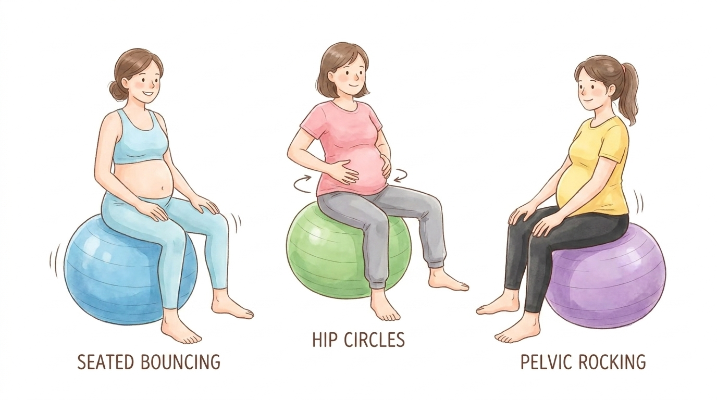
Gentle pelvic rocking is an excellent exercise for pregnant women, facilitating both comfort and relaxation. To perform this movement, sit on the balance ball with the feet flat on the ground and rocks your pelvis gently back and forth while keeping a straight back. This specific exercise not only enhances flexibility but also alleviates tension in the lower back, promoting better posture and core stability—preparing mothers for the demands of labor.
Seated Bouncing for Stability and Circulation
Seated bouncing on a balance ball is a fun and effective way to boost blood circulation throughout your body. Sit comfortably on the ball with your feet hip-width apart and gently bounce up and down. This rhythmic activity stimulates blood flow to the pelvic area and can help decrease swelling in the legs and feet. Furthermore, it aids in building core strength and improving stability, vital during pregnancy for better posture and balance.
Hip Circles for Lower Back Relief
Hip circles are an effective exercise for relieving lower back tension. Sit on the balance ball with your feet firmly planted on the ground, and gradually rotate your hips in a circular motion. This simple movement stretches and strengthens both the hips and lower back muscles, easing discomfort while enhancing relaxation. Adding hip circles to your routine improves flexibility and contributes positively to your pregnancy’s overall comfort.
Supported Kneeling Stretches for Relaxation
Supported kneeling stretches using the balance ball can significantly enhance relaxation and flexibility. To perform this stretch, kneel on the floor with the balance ball positioned in front of you. Place your forearms on the ball and gently lean forward, allowing your back to stretch and release tension. This movement promotes deep breathing and relaxation, enfolding mothers in a sense of calm essential throughout pregnancy.
How to Use a Birthing Ball Safely
Choosing the Right Size and Stability
Selecting the correct size of the birthing ball is crucial for effective use. Typically, a 65cm ball is suited for individuals between 5'4" and 5'11", while a 75cm ball works best for those over 5'11". Ensure you choose a high-quality, burst-resistant ball for durability and safety. It’s recommended to check the weight limit, as most birthing balls comfortably support individuals up to 300 pounds. Opting for a textured surface enhances grip and stability, boosting confidence during exercise.
Proper Posture and Alignment Tips
To maintain proper posture while using a birthing ball, sit upright with your feet flat on the floor and spaced hip-width apart. Your knees should be slightly lower than your hips to activate core muscles effectively. Engage your abdominal muscles to avoid slouching, which aids in stability and comfort during exercises. Reposition your feet as necessary to maintain balance and reduce strain on your back throughout your workout.
Safety Precautions During Pregnancy
Before initiating any exercises with a birthing ball, it's essential to consult your healthcare provider, especially if you have underlying complications. Always ensure the ball is inflated to the recommended level to minimize slipping risk, and keep the surrounding area clear of obstacles to prevent accidents.
When to Avoid or Be Cautious with Ball Exercises
High-risk Pregnancy Considerations
Certain circumstances necessitate extra caution when considering balance ball exercises. Expecting mothers with high-risk pregnancies—defined by conditions such as gestational diabetes, hypertension, or multiples—must approach these exercises with care. Consulting with a healthcare provider before starting any fitness program, including balance ball workouts, is imperative. Healthcare professionals can evaluate individual risks and suggest modifications or alternatives to ensure a safe prenatal experience. Prioritizing medical guidance enhances both the mother's and baby's safety while allowing for a more informed prenatal fitness approach.
Signs to Stop Exercising Immediately
It is crucial to recognize symptoms signaling the need to halt balance ball exercises immediately. Signs such as intense abdominal pain, significant vaginal bleeding, sudden swelling in the hands or feet, and severe headaches are critical. Additionally, if feelings of dizziness, fainting, or unusual breathlessness arise, cease activities right away. Being attuned to your body’s warning signs empowers mothers to prioritize health and safety during this vital time.
Using the Ball for Labor Preparation
How It May Help Positioning and Comfort
Utilizing a balance ball during labor can greatly enhance positioning and comfort. The ball allows for optimal pelvic alignment, relieving pressure during contractions. To take full advantage of this practice, mothers should sit on the ball with their feet flat on the floor, creating a stable base. Gently rocking the hips while seated facilitates effective coping methods for labor pain. Leaning forward over the ball during intense contractions permits better spinal support while minimizing anxiety, thereby paving the way for relaxation and comfort during labor.
What to Expect During Late Pregnancy Use
As pregnancy progresses, the balance ball becomes an invaluable tool in preparing for labor. Incorporating brief sessions of gentle bouncing or circular movements can alleviate discomfort as the body adjusts to its substantial changes. As labor approaches, mothers should be aware of increased body positioning awareness; utilizing the ball can enhance confidence. However, it is wise to approach this practice realistically, as fatigue may set in quickly. Thus, frequent intervals of short usage are advised, fostering readiness and comfort for a positive birth experience.
Embracing Your Prenatal Fitness Journey
Integrating balance ball exercises into your prenatal routine can be transformative, significantly enhancing your pregnancy experience while preparing your body for labor. These exercises strengthen core muscles, improve balance, and ease discomfort, promoting both physical and emotional well-being.
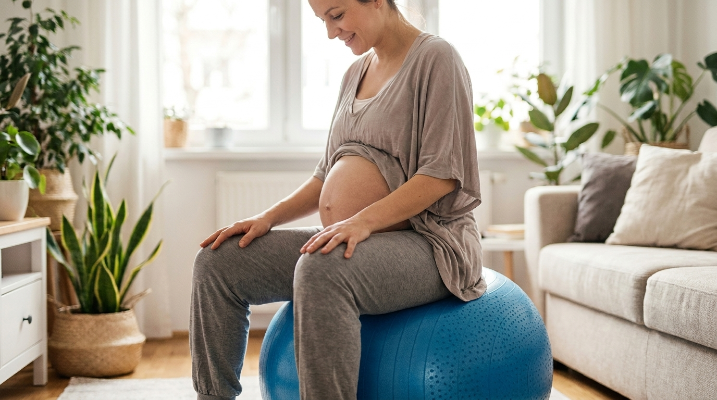
As you explore this avenue of fitness, remember that each woman’s pregnancy journey is unique. Adopt a mindful approach that listens to your body and respects its limits. While balance ball exercises are highly beneficial, consulting healthcare professionals or prenatal exercise specialists can ensure that your practice is both safe and catered to your unique needs. Embrace these empowering movements with confidence, knowing that they can contribute to a smoother transition into motherhood and a more positive labor experience.

Just For You

Parenting
How Long Can a Newborn Be in a Car Seat Essential Guidelines for Parents
May 10, 2026

Pets
How to Train a Cat to Use a Litter Box A Complete Guide
May 28, 2026

Tourism
Best Places to Visit in Spain A Complete Travel Guide to Top Cities and Attractions
April 2, 2026

Shopping
Finding the Perfect Fit The Best Running Shoes for Wide Feet That Blend Comfort and Performance
March 21, 2026
Recommended For You
Parenting
Baby Formula Feeding Chart An Essential Guide for New Parents
April 24, 2026
Pets
Cat Feeding Guide Understanding Portion Sizes and Daily Feeding Needs
April 16, 2026

Tourism
Best Travel Destinations Japan A Practical Guide to Exploring Cities, Nature, and Culture
March 27, 2026

Shopping
The Heart of Gifting Finding the Perfect Birthday Gift for Your Mom
April 18, 2026