Parenting
Understanding the Significance of Pelvic Floor Exercises During Pregnancy
April 12, 2026
Discover the importance of pelvic floor exercises during pregnancy. Improve bladder control, prepare for labor, and support postpartum recovery with our guide.
Pelvic floor exercises play a critical role for those navigating the journey of pregnancy, providing numerous benefits that enhance both quality of life during this period and support recovery following childbirth. By focusing on strengthening the pelvic floor muscles, these exercises can improve bladder control, effectively reducing the risk of urinary incontinence—a common concern experienced during and after pregnancy. Additionally, they help prepare the body for labor, potentially leading to smoother deliveries and shorter recovery times. Engaging in these exercises not only promotes physical well-being but also builds confidence, allowing expectant parents to embrace their journey with an empowered mindset. Understanding the importance of pelvic floor exercises is essential for fostering a healthy pregnancy experience and achieving better postpartum outcomes.
How Pelvic Floor Muscles Support Pregnancy and Daily Function
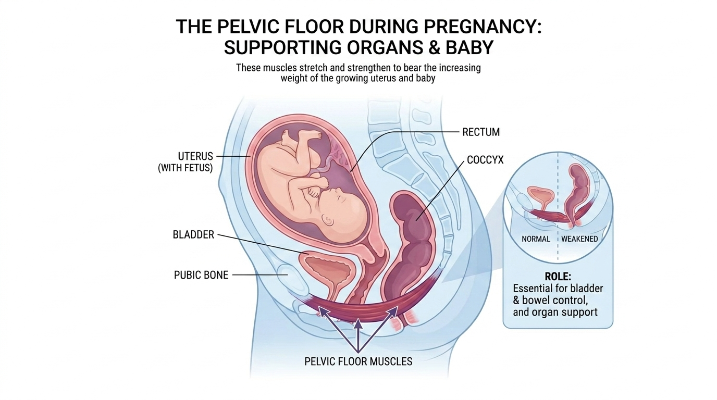
The pelvic floor muscles serve an essential function in supporting overall pelvic health, particularly during pregnancy. These muscles actively support the uterus and bladder, aiding in managing the weight of the growing fetus. Strengthening the pelvic floor can significantly reduce the risk of urinary incontinence and pelvic discomfort frequently associated with pregnancy and its aftermath.
Moreover, a well-functioning pelvic floor enhances core stability, benefiting everyday activities, such as standing, walking, and lifting. By incorporating pelvic floor exercises into a regular fitness routine, individuals can facilitate better labor and experiencing a smoother postpartum recovery, ultimately promoting comprehensive wellness. Embracing these beneficial exercises can enhance both physical support and emotional resilience throughout the pregnancy journey.
Why Pelvic Floor Exercises Are Important During Pregnancy
Pelvic floor exercises provide a myriad of benefits that are particularly significant for pregnant individuals. Beyond physical well-being, these exercises actively support the body in adjusting to the substantial changes associated with the pregnancy journey. By fortifying the pelvic floor muscles, individuals can achieve improved bladder control, a valuable advantage as the growing uterus exerts pressure on the bladder. This proactive approach can help to alleviate common issues like urinary incontinence that many face during and after pregnancy.
Furthermore, a strong pelvic floor enhances the labor and delivery process by potentially contributing to better fetal positioning, which can reduce complications during childbirth. On an emotional level, participating in pelvic floor exercises can foster a sense of empowerment and control over one’s body during a time that can feel overwhelming. The confidence gained from knowing that you are actively contributing to your health can significantly diminish anxiety related to labor and recovery. Therefore, integrating these exercises into daily routines ensures that pregnant individuals remain physically fit while also fostering a positive emotional outlook, creating a supportive foundation for a healthier pregnancy and postpartum recovery.
Bladder Control and Pressure Support
Pelvic floor exercises, commonly referred to as Kegel exercises, play a vital role in maintaining bladder control and relieving pressure caused by a growing belly during pregnancy. By intentionally targeting the pelvic floor muscles, these exercises enhance support for the bladder, proactively preventing leaks that may accompany the expanding uterus. Furthermore, they encourage improved circulation and relieve pelvic tension, providing essential comfort as the body adapts to the myriad changes it undergoes. Regular practice also fosters increased awareness of the pelvic region, making it easier to recognize and engage these critical muscles throughout daily activities, supporting enhanced bladder function and comprehensive pelvic health. Ultimately, incorporating these exercises into a consistent routine can significantly elevate comfort during pregnancy, laying the groundwork for more effective recovery following delivery.
Preparing the Body for Labor and Recovery
Pelvic floor exercises are crucial for preparing the body for the physical demands of childbirth as well as aiding postpartum recovery. Strengthening the pelvic floor muscles contributes to enhanced stability and offers critical support to the uterus, bladder, and bowel, which can facilitate a more manageable labor experience. Increased muscle tone and flexibility in this area can also lead to more effective contractions during delivery, potentially easing the challenges of childbirth. Moreover, a well-conditioned pelvic floor may reduce the likelihood of perineal tearing, speeding up recovery after childbirth.
Following delivery, these exercises play a significant role in restoring muscle tone, preventing incontinence, and enhancing sexual health. By incorporating pelvic floor exercises into a prenatal routine, individuals can promote better long-term health outcomes and enjoy a smoother transition into motherhood.
How to Do Pelvic Floor Exercises Correctly
Engaging in pelvic floor exercises, or Kegels, offers substantial benefits for pregnant individuals by fortifying the muscles supporting key organs. Below is a simple guide to performing these exercises correctly:
- Identify the Right Muscles: Start by locating your pelvic floor muscles. Imagine attempting to stop urine flow mid-stream. The muscles you tighten are the ones you want to target.
- Get Comfortable: Choose a position that feels best for you—this could be sitting, lying down, or standing. Make sure to relax your body to prevent tension in your abdomen, glutes, or thighs.
- Performing the Exercise: Tighten your pelvic floor muscles, holding the contraction for about three to five seconds. Breathe normally throughout this process. Feel the lift as you engage, then gently release the contraction.
- Repetitions: Strive for 10 to 15 repetitions per session, gradually working to complete three sets daily. Remember to rest between contractions to avoid fatigue.
- Incorporate into Daily Life: You can perform these exercises anywhere—during chores, while watching TV, or even in line at the grocery store. Consistency is essential for realizing the full benefits of pelvic floor exercises.
With regular practice, pelvic floor exercises can lead to improved bladder control and facilitate a smoother recovery following delivery. Always consult a healthcare professional if unsure about your technique or to ensure correct muscle engagement.
Finding and Engaging the Right Muscles
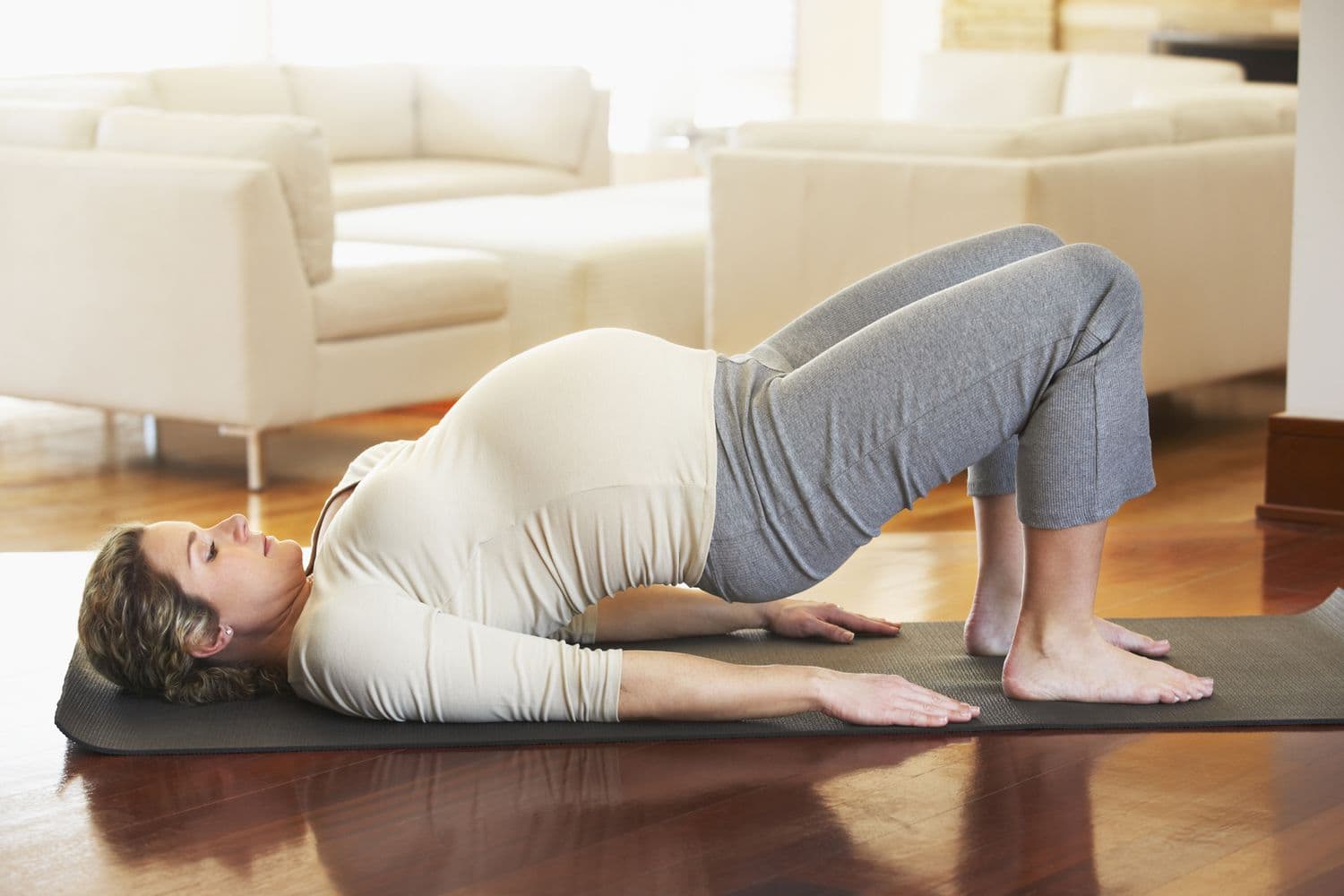
To effectively engage your pelvic floor muscles, become acquainted with their location. Situated between your pubic bone and tailbone, these muscles function like a supportive hammock for pelvic organs. A simple method to identify them is by envisioning the action of stopping urine mid-flow; the muscles you contract are your pelvic floor muscles.
Once you are familiar with these muscles, practice engaging them across various positions—lying down, sitting, or standing. Start with a deep breath, then gently tighten the pelvic floor as if you’re trying to lift the muscles upward. Avoid tightening your abdomen or straining your legs. Hold the contraction for a few seconds, then release. Repeating this exercise regularly will enhance your awareness and strength in the pelvic floor area—benefits that are particularly salient during pregnancy and recovery.
Always consult with a healthcare professional if you're uncertain about your technique or experience discomfort while performing these exercises.
Basic Kegel Exercise Technique Explained Simply
To perform Kegel exercises efficiently, follow these simple steps:
- Identify Your Muscles: Identify your pelvic floor muscles by attempting to stop the flow of urine.
- Get Comfortable: Find a relaxed position, whether sitting, lying down, or standing. This ensures concentration without distraction.
- Contract the Muscles: Firmly tighten your pelvic floor muscles and hold the contraction for three to five seconds.
- Relax: Release the contraction and take a breather for three to five seconds.
- Repeat: Aim for a set of 10-15 repetitions. You can practice this multiple times throughout your day.
Consistency is key, as regularly practicing Kegel exercises can bolster pelvic floor strength and overall comfort during pregnancy.
Common Mistakes to Avoid
Engaging in pelvic floor exercises can be incredibly beneficial, yet many individuals make common mistakes that may hinder overall effectiveness. A frequent error involves not engaging the appropriate muscles. Instead of concentrating on the pelvic floor, some might inadvertently tighten their stomach or gluteal muscles. To avoid this, it’s vital to concentrate on relaxing surrounding muscles while focusing on the pelvic area.
Another common misstep is breath-holding. Proper breath control is crucial for executing the exercise effectively. Take a deep breath prior to contracting and exhale during the lift to help maintain control and mindfulness. Lastly, overexertion can lead to fatigue, impacting the overall results negatively. Start gradually and increase intensity over time while ensuring proper form throughout your exercises. By staying aware of these key factors, you can achieve better results, maximizing the positive effects of pelvic floor exercises during pregnancy.
When and How Often to Do Pelvic Floor Exercises
Incorporating pelvic floor exercises throughout pregnancy is vital to nurturing pelvic health and preparing for the impending labor challenges. It is generally advised to begin these workouts early in pregnancy, ensuring consistency as they continue throughout. Aim to perform at least three sets of 10 repetitions daily. You can slot these exercises into your routine wherever convenient, such as in the morning, while watching TV, or even during your lunch hour.
For optimal outcomes, try to incorporate these exercises into specific moments of your day—perhaps integrating them into post-teeth brushing routines or while sitting at your desk. Consistency proves essential; establishing a habit facilitates faster benefits, such as improved bladder control and reduced discomfort as your pregnancy evolves. Always keep in mind the significance of relaxation and proper technique, as the quality of each contraction is just as significant as frequency. If unsure about how or when to start these exercises, reach out to your healthcare professional for personalized recommendations.
Benefits You May Notice Over Time
Regular practice of pelvic floor exercises, specifically Kegels, can yield a host of remarkable improvements, particularly for those navigating pregnancy and the postpartum period. One of the most notable benefits is enhanced bladder control. Many women face urinary incontinence at various pregnancy stages; strengthening the pelvic floor helps alleviate these concerns, providing vital support to the bladder.
Physical Comfort Improvements
Pelvic floor exercises can substantially improve comfort throughout pregnancy by reinforcing the muscles that sustain the bladder, uterus, and bowel. As the body navigates various physiological changes, these exercises assist in alleviating common discomforts such as pelvic pressure and urinary incontinence. Additionally, a well-toned pelvic floor encourages optimum circulation, reducing swelling and enhancing mobility. This strength not only assists with daily activities but also contributes to better posture—vital as weight distribution shifts during pregnancy. Ultimately, integrating these exercises into a prenatal routine can improve the functionality of reproductive organs and establish a foundation for smoother recovery after childbirth, promoting overall health and well-being during this significant life transition.

Just For You

Parenting
The Significance of Sleep Training for Parents and Babies
April 28, 2026

Pets
Can I Feed Dogs Cat Food What Pet Owners Need to Know
May 2, 2026

Tourism
Best Places to Travel Solo Safe and Inspiring Destinations
April 27, 2026

Shopping
Best Cat Flea Products That Help Keep Your Cat Safe and Comfortable
April 18, 2026
Recommended For You
Parenting
Car Seats for Newborns A Practical Safety Guide for New Parents
April 22, 2026

Pets
The Importance of Cat Training
May 25, 2026

Tourism
Best Places to Visit in Spain A Complete Travel Guide to Top Cities and Attractions
April 2, 2026

Shopping
Best Product Skin Care Choices for Healthy, Balanced, and Radiant Skin
April 15, 2026