Parenting
What Are the Pregnancy Symptoms A Clear Guide to Early Signs and Timing
April 14, 2026
Discover the common early pregnancy symptoms, their timing, and variations. Learn when to test and when to seek medical advice for a healthier pregnancy.
Understanding pregnancy symptoms is vital for those hoping to conceive or suspecting that they may be pregnant. Early detection can lead to timely medical advice, essential prenatal care, and a healthier experience for both the expectant mother and her baby. However, pregnancy is not a uniform journey; symptoms can vary greatly among individuals. From classic signs like nausea and fatigue to more subtle clues that may be easily overlooked, being aware of what to look for is crucial in making informed decisions.

In this comprehensive guide, we will explore various early pregnancy symptoms, shedding light on their timing, frequency, and nature. Each section aims to equip you with clear insights—enabling you to recognize your own experiences better and understand when to seek medical advice. Whether you're a first-time parent or simply seeking more knowledge, welcome to this enlightening discussion on pregnancy symptoms. Together, we'll navigate the myriad of changes your body may be experiencing, helping you feel informed and empowered during this transformative journey.
Understanding What Pregnancy Symptoms Actually Are
Why Symptoms Vary from Person to Person
Pregnancy symptoms are far from universal; they can greatly differ from one individual to another. This variability can be primarily attributed to biological and hormonal differences that occur during pregnancy. Each person’s hormonal makeup influences how their body responds to the changes signaling pregnancy, resulting in a unique array of symptoms. For some, common indicators like nausea or fatigue may be pronounced, while others may experience merely mild symptoms or none at all.
Additionally, personal experiences and perceptions significantly impact symptom recognition. Factors such as stress levels, previous pregnancies, and even cultural attitudes toward pregnancy can shape how symptoms are interpreted and managed. For instance, someone who has endured previous miscarriages may become more attuned to subtle changes in their body compared to someone who hasn’t had similar experiences. This variation to understanding underscores the importance of embracing that there is no single narrative to pregnancy symptoms; each journey is distinct, affecting how symptoms are experienced and acknowledged. Recognizing and accepting these differences is vital as individuals navigate this profound life phase.
The Earliest Signs of Pregnancy
Subtle Changes Before a Missed Period
Recognizing the earliest signs of pregnancy can be crucial for early detection and timely self-care. Before a missed period, many women report subtle changes in their bodies that may indicate a developing pregnancy. Common early signs include fatigue, mood swings, and slight changes in appetite. Often, fatigue manifests as an overwhelming sense of tiredness, while mood changes range from increased irritability to sudden bouts of happiness—usually due to hormonal fluctuations associated with pregnancy.
One significant early pregnancy event is implantation, which occurs approximately six to twelve days after conception. During this process, the fertilized egg attaches itself to the lining of the uterus, sometimes causing light spotting or cramping that can be mistaken for menstrual symptoms. This phase is crucial as it triggers hormonal shifts, including an increase in human chorionic gonadotropin (hCG) and progesterone, which are essential for maintaining the pregnancy.
These hormonal changes are responsible for conventional symptoms such as nausea, often referred to as morning sickness. This symptom can start surprisingly early for some women and act as an important signal that the body is undergoing significant changes. Paying close attention to these subtle indicators is vital, as early recognition can empower women to make informed health decisions and emotionally prepare for impending motherhood.
Common Pregnancy Symptoms After a Missed Period
Physical and Emotional Changes Often Noticed
Following a missed period, many individuals start to notice various symptoms that indicate their bodies are undergoing changes. One of the most common indicators is nausea or morning sickness, which can kick in as early as two to eight weeks after conception. These physical alterations may come paired with unusual food cravings or aversions, making meals feel like an adventure or a challenge.
Additionally, hormonal fluctuations can lead to increased fatigue, frequent urination, and breast tenderness, often leaving expectant individuals feeling physically different than usual. Beyond these physical shifts, emotional changes, characterized by heightened mood swings, also come into play. These emotional ups and downs are instigated by rapid hormonal changes taking place in the body.
The missed period acts as a significant confirmation for those suspecting they might be pregnant. This is often the first tangible signal prompting individuals to focus on potential symptoms. Recognizing these signs after a missed period is more reliable because the body has now genuinely started responding to pregnancy hormones, allowing symptoms to become more apparent. Understanding these early indicators not only empowers individuals to recognize their body’s changes but also encourages timely medical consultation for confirmation and prenatal care.
Pregnancy Symptoms Timeline Explained
First Week to Early Weeks Overview
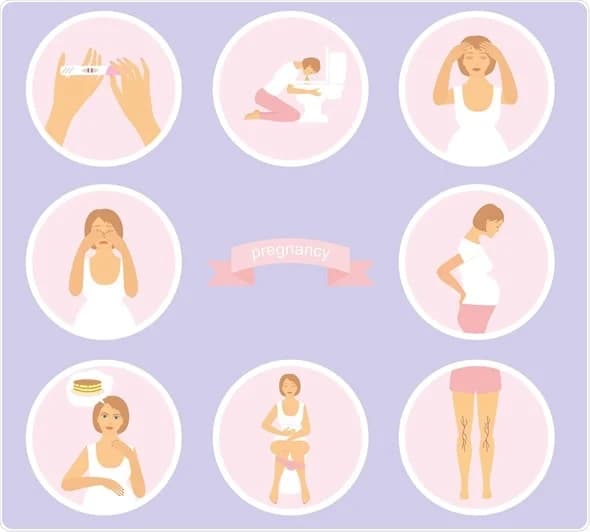
Familiarizing yourself with pregnancy symptoms can significantly enhance your awareness of bodily changes post-conception. In the first week following conception, many women may observe subtle shifts, such as mild cramping or spotting, which are often mistaken for early menstrual signs. By the second week, early indications like breast tenderness, fatigue, and frequent urination can emerge as the body adapts to the hormonal changes that accompany pregnancy.
Around the time of a missed period, typically four weeks after conception, symptoms often become more intense. You may experience common issues such as nausea, mood swings, and an increased sense of smell, frequently referred to as morning sickness, which can begin around six weeks into the pregnancy. These symptoms can vary widely from person to person, making it crucial to track personal experiences closely. Identifying your unique symptomatology can provide valuable insights, leading to earlier detection of pregnancy. Keeping a symptom diary can help you comprehend when to expect changes and prepare for discussions with healthcare providers, ensuring a guided approach to your pregnancy journey.
Why Pregnancy Symptoms Can Be Confusing
PMS vs. Early Pregnancy Symptoms
Confusion between premenstrual syndrome (PMS) and early pregnancy symptoms is common, as there are several similarities between the two. Both can present mood swings, tenderness in the breasts, fatigue, and bloating. However, pregnancy symptoms may also include missed periods, frequent urination, or morning sickness—elements typically absent in PMS.
To distinguish between the two, timing is crucial. PMS symptoms usually arise a week before menstruation and resolve when bleeding begins. In contrast, early pregnancy symptoms often persist, particularly once a missed period is confirmed. For clarity, consider utilizing a pregnancy test if your period is late and you observe early signs of pregnancy.
It’s essential to recognize that a lack of symptoms can also be normal. Each individual’s experience with pregnancy varies considerably; some women may not manifest noticeable signs, especially in the early weeks. An absence of symptoms does not always imply an issue. Attuning to your body and seeking guidance from a healthcare provider can offer reassurance tailored to your circumstances.
When to Take a Pregnancy Test
Best Timing for Accuracy
Taking a pregnancy test can evoke numerous emotions, and timing plays a critical role in ensuring accurate results. To achieve the most reliable outcome, it is advisable to wait at least one week after your missed period. This timing allows the hormone hCG, produced shortly after implantation, to reach detectable levels in your urine. Tests taken during this period exhibit approximately 99% accuracy.
Some women might be eager to test early, perhaps only a few days before their expected period. The advantage of early testing lies in the opportunity for prompt detection and peace of mind. On the flip side, testing too soon can lead to false-negative results due to insufficient hCG levels, potentially creating unnecessary stress and confusion.
Ultimately, the decision should factor in your personal circumstances, including your cycle regularity and previous experiences. If you suspect pregnancy symptoms or believe there is a potential for conception, consider testing at the appropriate time to ensure the best chance of an accurate result. Being informed can help make this experience more manageable.
When to Seek Medical Advice
Unusual Symptoms or Uncertainty Situations
During early pregnancy, it is crucial to be alert to bodily changes and to understand which symptoms may warrant medical attention. While hormonal shifts can cause various normal discomforts, some unusual signs should prompt immediate consultation with a healthcare provider. For example, severe abdominal pain, heavy bleeding beyond typical spotting, or symptoms of high fever can indicate complications requiring swift evaluation. Additionally, persistent severe nausea or vomiting, exceeding typical morning sickness, could signal a condition known as hyperemesis gravidarum, necessitating professional intervention.
Moreover, if you experience signs of an ectopic pregnancy, such as sharp pain on one side of your abdomen or fainting, seeking urgent care is critical. The importance of consulting a healthcare provider cannot be overstated; they can offer accurate pregnancy confirmation through tests and ultrasounds and provide tailored guidance based on your unique situation. Don’t hesitate to reach out to your practitioner if you’re uncertain about your symptoms or if anything feels off during this critical time. Your health and the well-being of your pregnancy remain paramount.
Empowering Yourself Through Understanding Pregnancy Symptoms
Pregnancy symptoms can vary widely from one person to another, emphasizing the significance of personal experience in this journey. Key indicators such as missed periods, fatigue, and nausea may suggest pregnancy; still, it is essential to recognize that each woman's experience is unique. Home testing or professional consultations can shed light on your situation and provide reassurance during uncertain moments. Listening to your body and acknowledging changes is crucial; if something seems amiss or unclear, seeking professional guidance is always a prudent choice. Ultimately, it’s vital to approach this transformative phase with confidence—each journey is valid, and support is readily available to navigate it effectively.

Just For You

Parenting
Understanding the Early Signs of Pregnancy
May 13, 2026

Pets
How Often to Feed a Cat A Practical Guide for Every Life Stage
April 23, 2026

Tourism
Best Places to Travel Solo Safe and Inspiring Destinations
April 27, 2026

Shopping
Finding the Perfect Fit The Best Running Shoes for Wide Feet That Blend Comfort and Performance
March 21, 2026
Recommended For You

Parenting
Baby Formula Feeding Chart An Essential Guide for New Parents
April 24, 2026

Pets
How to Crate Train a Puppy Safely
June 19, 2026

Tourism
Tropical Honeymoon Destinations Romantic Islands and Beach Escapes for Couples
April 7, 2026

Shopping
The Best Adidas Running Shoes Finding the Perfect Balance for Every Runner
April 11, 2026