Parenting
Understanding the Early Signs of Pregnancy
May 13, 2026
Discover the early signs of pregnancy, including symptoms like fatigue and nausea. Learn when to take a pregnancy test and consult a healthcare provider for guidance.
For anyone trying to conceive or who suspects they might be pregnant, understanding the early signs of pregnancy is crucial. One of the pressing questions many face is, "How soon do pregnancy symptoms start?" Generally, symptoms can appear as early as a few days after conception. However, the timing and types of symptoms can vary widely between individuals. Recognizing these early signs is significant, as they can indicate the need for a pregnancy test and help individuals make informed decisions regarding their health.
It's important to acknowledge that each pregnancy experience is unique—some individuals may notice changes almost immediately, while others might not experience symptoms until several weeks later. Common early signs include nausea, fatigue, and mood fluctuations. By understanding and identifying these symptoms early, individuals can better prepare for the journey ahead, ensuring they feel more informed and empowered as they navigate their pregnancy. This article aims to clarify the timeline of these symptoms and emphasize the importance of individual experiences in the pregnancy process.
Understanding When Pregnancy Symptoms Can Begin
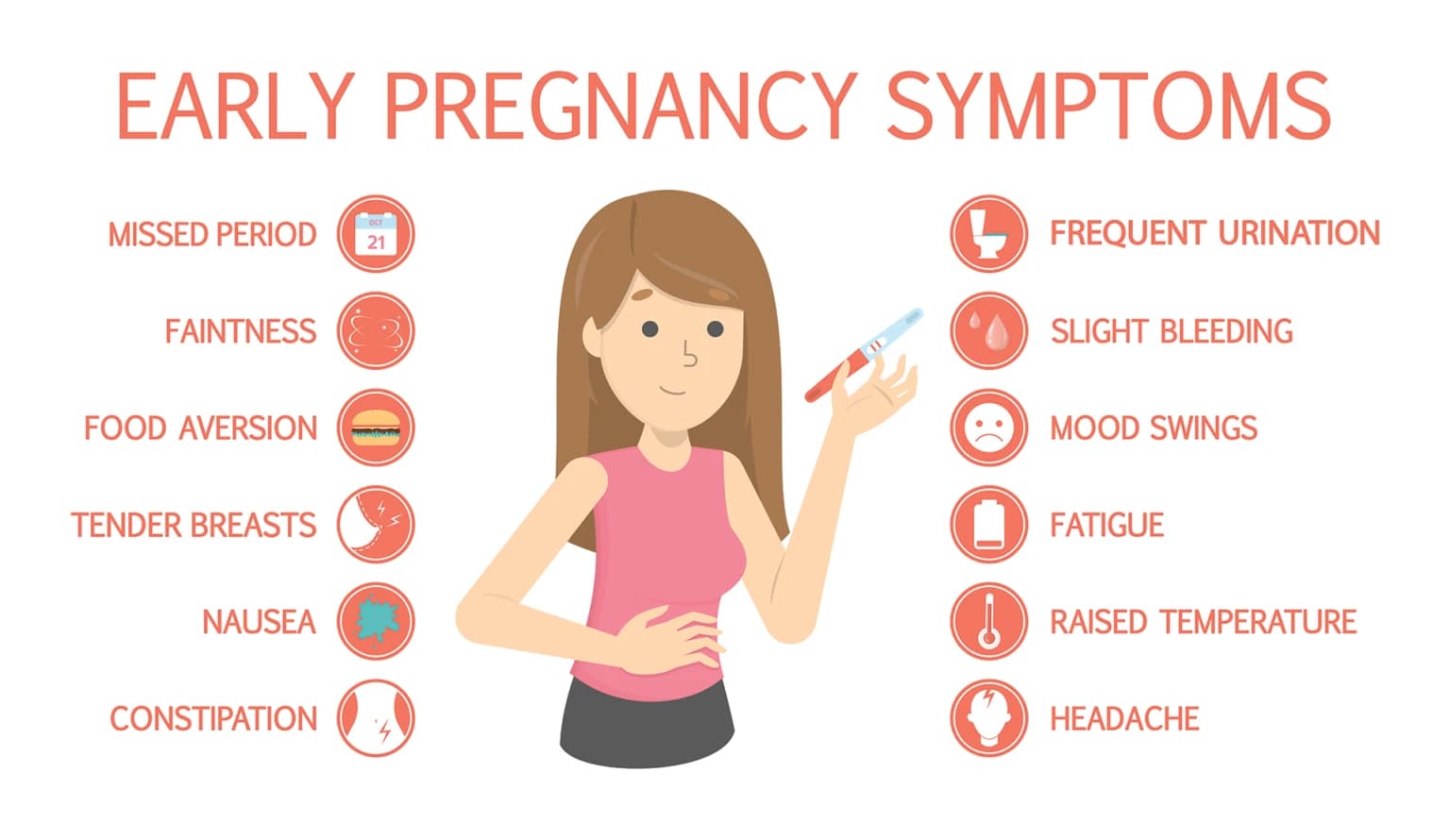
Pregnancy symptoms can vary significantly from one person to another. Many individuals may start to notice changes within just one to two weeks after conception. The most commonly reported early signs include missed periods, nausea, fatigue, and breast tenderness. This process typically begins with hormonal changes involving significant increases in human chorionic gonadotropin (HCG) and progesterone, which can trigger symptoms soon after implantation.
In certain cases, particularly sensitive individuals may experience these symptoms as early as six days post-ovulation, while others may not notice any signs until weeks into their pregnancy. This variability is considered normal and can be influenced by several factors, including individual biology, overall health, emotional state, and even lifestyle choices. Recognizing these early indications as they arise can be critical for individuals seeking to confirm their pregnancy and to access appropriate prenatal care, facilitating a healthy start to their journey.
Why Symptom Timing is Different for Everyone
The timing of pregnancy symptoms is shaped by multiple factors, primarily hormonal levels, which can differ widely from person to person. When conception occurs, the body experiences a surge in hormones, primarily hCG, progesterone, and estrogen. These hormones do not affect everyone equally, resulting in a wide spectrum of physical and emotional symptoms that range from nausea and fatigue to mood swings and heightened sensitivity to smells.
Each person’s individual sensitivity to hormonal changes will also play a significant role. For some, previous menstrual cycle experiences can influence how they perceive pregnancy symptoms; those accustomed to severe premenstrual symptoms may find that their pregnancy symptoms seem similar, leading to confusion. It's important to remember that the absence of pregnancy symptoms does not inherently indicate a problem; many women report minimal or no symptoms early on, which is perfectly normal.
What Happens in the First Days After Conception
Pregnancy begins with the moment a sperm fertilizes an egg—conception typically occurs within two weeks after ovulation. This pivotal event results in the formation of a zygote, which carries the genetic material inherited from both parents. Following fertilization, the zygote travels down the fallopian tube towards the uterus, undergoing rapid cell division and transforming into a blastocyst by the time it reaches the uterine cavity.
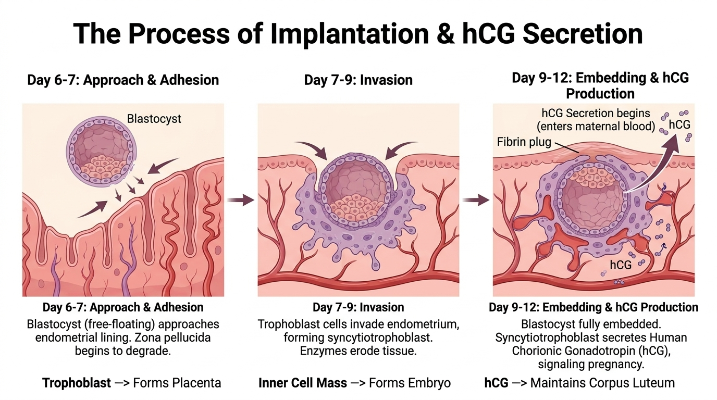
Around six to ten days post-fertilization, implantation occurs, an essential stage in which the blastocyst embeds itself into the uterine lining. This connection is critical as it allows the developing embryo to access nutrients from the mother. As implantation takes place, specialized cells begin to secrete hCG. This hormone plays a crucial role in signaling the body to maintain the pregnancy and prevent menstruation.
The increase in HCG levels initiates a series of physiological adaptations in the mother’s body, preparing it to support the developing fetus. As hormone levels rise, individuals may start to notice early symptoms like fatigue and slight nausea, commonly referred to as the early signs of pregnancy. Recognizing these indicators is vital for scheduling timely consultations with healthcare professionals to ensure a healthy pregnancy journey.
Implantation and Early Hormonal Changes
Once implantation occurs, there are significant hormonal changes that unfold. The body ramps up its production of hormones, specifically hCG, progesterone, and estrogen. These hormonal shifts prepare the body to sustain the pregnancy while also prompting noticeable changes.
Among the early consequences of these hormonal changes are symptoms such as emotional fluctuations and gastrointestinal discomfort. Some individuals may experience heightened sensitivity in their breasts or even slight cramping. Understanding these changes provides insight into what early pregnancy entails, and it underscores the importance of seeking professional medical advice as symptoms arise.
The Earliest Possible Pregnancy Symptoms
Pregnancy symptoms may begin even before a missed period, surprising many women with their onset. Among the earliest indicators are breast tenderness and fatigue. Within just a few days after conception, some women may observe increased sensitivity and swelling in their breasts due to hormonal adjustments preparing them for potential breastfeeding.
Fatigue is another common symptom; elevated levels of progesterone can induce feelings of drowsiness and sluggishness as the body acclimates to supporting a developing embryo. Additionally, nausea, often manifesting as morning sickness, can occur before a missed period, typically appearing at random times throughout the day.
It’s noteworthy that some early signs can be quite subtle, making them easy to overlook. Light spotting, known as implantation bleeding, can occur when the fertilized egg attaches to the uterus, and it can be accompanied by mild cramping—symptoms that some may mistake for impending menstruation. Mood swings due to fluctuating hormones can also appear early, impacting emotional stability.
Recognizing these early signs is crucial for individuals trying to conceive, potentially aiding in the decision of when to take a pregnancy test or consult a healthcare professional. Understanding these indicators provides a greater capacity to prepare for what lies ahead, making it essential to remain attentive to one’s body during this pivotal time.
Symptoms After a Missed Period
The first missed period often serves as a crucial turning point for many individuals, typically indicating a potential pregnancy. While some might notice early indicators such as fatigue or mild cramps prior to a missed period, these symptoms can become more conspicuous once menstruation is absent.
As the body adjusts to the hormonal changes, symptoms like nausea, breast tenderness, and increased urination may become more prominent. This heightened awareness can lead individuals to critically evaluate their situation, prompting them to consider taking a home pregnancy test or consulting healthcare professionals, as these signs may herald the beginning of significant changes associated with pregnancy.
This transition not only enhances self-awareness of one’s body but also marks an opportunity for timely intervention or support. Recognizing such milestones can empower individuals to seek guidance and have a clearer understanding of their health, ultimately facilitating informed decisions regarding their reproductive well-being.
How Symptoms Typically Become More Noticeable
After a missed period, the signs indicating pregnancy often amplify, providing a more reliable context for recognition. Increased hormonal activity can lead to enhanced sensitivity in the breasts, as well as more intense feelings of nausea or fatigue. This phase usually offers clearer indications of pregnancy compared to early symptom observation.
Understanding these enhanced symptoms can help guide individuals toward appropriate actions such as taking a pregnancy test or visiting a healthcare provider to confirm pregnancy. As awareness of these changes grows, individuals can make informed decisions regarding their reproductive health.
Why Pregnancy Symptoms Vary So Much
The variability in pregnancy symptoms among individuals is vast, stemming from a myriad of factors. One key player is hormone levels; when pregnancy occurs, the body responds with elevated hormone concentrations, particularly hCG, progesterone, and estrogen. Each person's unique biological makeup and hormonal response create a diverse range of experiences, with some individuals experiencing nausea and fatigue while others feel very few or no symptoms at all.
Furthermore, sensitivity to these hormonal changes significantly varies. Individual physiology is likely to impact how someone perceives these signals; someone who typically experiences severe premenstrual symptoms might find pregnancy signs blurred with familiar discomfort. Additionally, the understanding that not experiencing symptoms should not be construed as a negative sign is crucial—many women report minimal or entirely absent early signs.
Being aware of the personal variability in these experiences can enhance overall understanding of one's body during early pregnancy and stresses the importance of conducting regular consultations with healthcare providers, regardless of symptom presence or absence.
Hormone Levels, Body Sensitivity, and Cycle Differences
The interplay of hormone levels, body sensitivity, and individual cycle characteristics also contributes to differing symptom experiences. Factors such as body weight, age, and pre-existing health conditions can all influence how one’s body reacts to early pregnancy hormones.
Specifically, understanding individualized hormone responses helps individuals navigate their experiences more effectively. Some may find themselves overwhelmed by their symptoms, while others may wonder if they’re even pregnant given the absence of any noticeable signs. Acknowledging that each pregnancy journey is distinct allows for a more positive approach to any feelings of uncertainty or anxiety surrounding pregnancy developments.
When to Take a Pregnancy Test
Timing is crucial when it comes to taking a pregnancy test for accurate results. Home pregnancy tests detect hCG, a hormone that starts to circulate shortly after implantation. For the most reliable outcomes, it’s recommended to wait until the first day of a missed period before testing, as levels of hCG are typically elevated enough to be detected by most tests.
Taking a test too early, particularly before the anticipated date of the missed period, can result in false negatives due to insufficient hCG levels. Women may experience symptoms such as breast tenderness or fatigue but still receive negative test results. If early symptoms are present but the test is negative, retesting after the missed period can yield more accurate results.
Understanding that there’s individual variability in symptom experiences is also important. For some, testing may occur without any noticeable signs of pregnancy; in such cases, it’s essential to listen to your body and consider factors like previous cycle lengths. Consulting with a healthcare professional can offer needed insight, especially for those with irregular cycles or concerns regarding symptoms.
Ultimately, patience is critical; waiting until the optimal time can ensure more reliable results and a clearer understanding of one’s pregnancy status, reducing unnecessary anxiety during this momentous occasion.
Final Thoughts on Early Pregnancy Signs
Understanding the timeline of pregnancy symptoms is vital for anyone undergoing these transformative changes. While common early signs may commence as soon as a week after conception, individual experiences can vary substantially due to factors such as hormonal differences and personal health conditions. Early recognition of these symptoms is crucial, as it guides individuals in seeking timely medical advice. Ultimately, consulting healthcare professionals regarding any concerns is paramount, as they provide tailored guidance based on personal circumstances. Empowering oneself with knowledge and seeking expert advice lays the groundwork for a healthier experience throughout this exciting journey ahead.

Just For You
Parenting
Understanding When Ectopic Pregnancy Symptoms Start A Comprehensive Guide
May 9, 2026

Pets
How to Crate Train a Puppy Safely
June 19, 2026

Tourism
Best Hidden Gems in the United States 2026 Travel Guide
April 29, 2026

Shopping
The Best Adidas Running Shoes Finding the Perfect Balance for Every Runner
April 11, 2026
Recommended For You

Parenting
The Significance of Sleep Training for Parents and Babies
April 28, 2026

Pets
How Much Wet Food to Feed a Cat
June 21, 2026
Tourism
Best Hidden Gems in the United States 2026 Travel Guide
April 29, 2026

Shopping
The Heart of Gifting Finding the Perfect Birthday Gift for Your Mom
April 18, 2026