Pets
How Much Dry Food to Feed a Cat
June 21, 2026
Discover essential tips for meeting your cat's nutritional needs. Learn how to tailor feeding strategies for your feline friend's health and happiness.
The amount of dry food a cat needs depends on several factors, including body weight, age, activity level, food calorie content, and overall health. Unlike a fixed feeding amount that works for every cat, portions should be adjusted based on individual calorie needs and changes in body condition.
Most dry cat food labels provide feeding recommendations based on weight, but these guidelines are only a starting point. Understanding calorie content, measuring portions correctly, and monitoring your cat’s weight can help create a feeding routine that supports a healthy body condition.
This guide explains how to estimate dry food portions, calculate daily calorie requirements, read food labels, and adjust feeding amounts based on your cat’s needs.
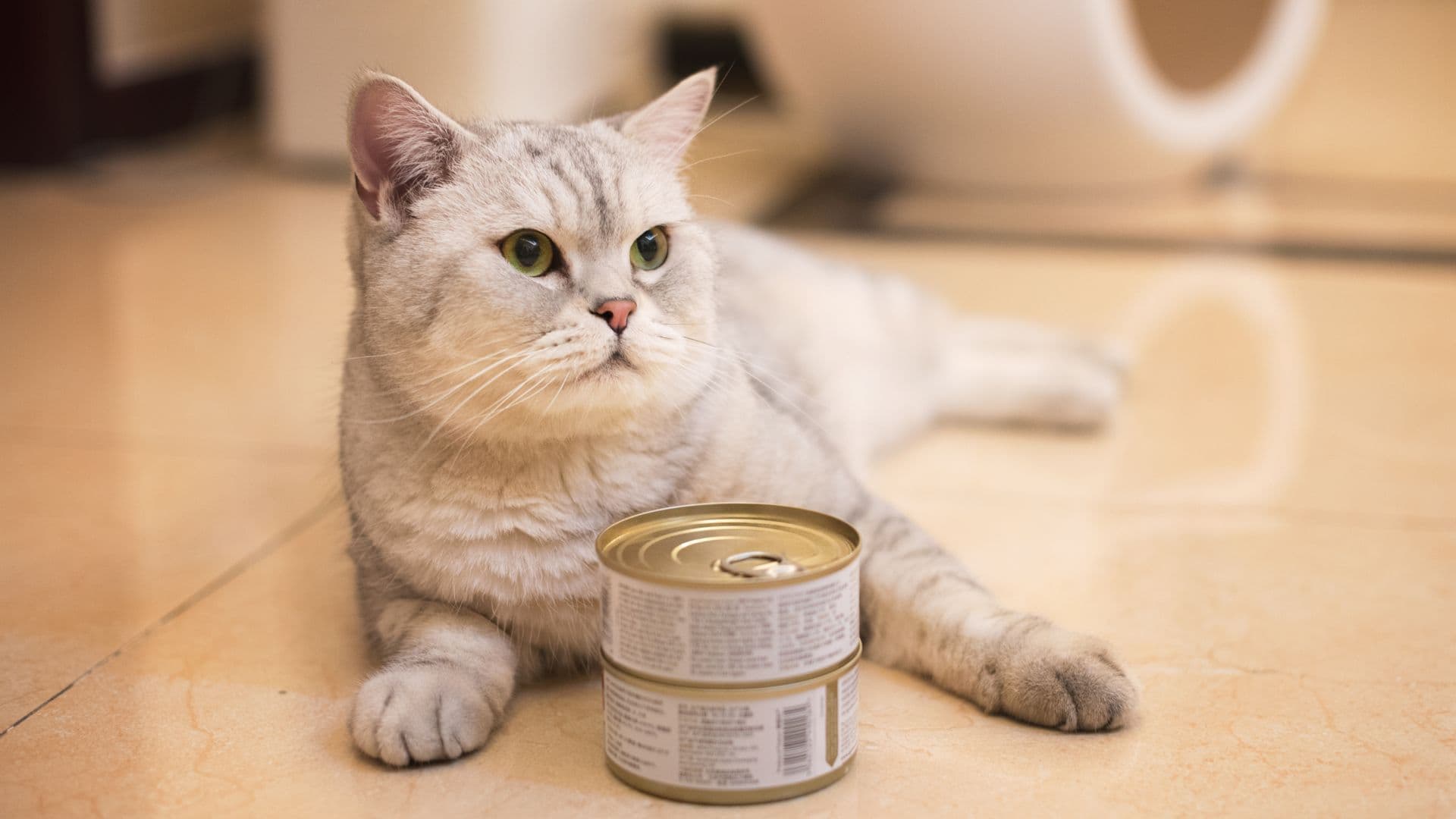
Factors That Affect How Much Dry Food Your Cat Needs
A cat’s daily food requirements depend on several factors, including age, weight, activity level, reproductive status, and health condition. Because every cat has different energy needs, feeding amounts should be adjusted rather than following one universal rule.
Weight and Body Size
Weight is one of the most important factors when determining how much dry food to provide. Larger cats generally require more calories than smaller cats, but metabolism, muscle mass, and activity level also influence daily needs.
A cat’s body condition is often a better indicator than weight alone. Two cats with the same weight may require different amounts of food depending on their body composition and lifestyle.
Age and Life Stage
A cat’s nutritional needs change throughout life.
Kittens require more calories and nutrients to support growth and development. Adult cats usually need portions that maintain a healthy weight, while senior cats may require adjustments depending on activity level and health status.
Choosing food designed for the correct life stage helps provide appropriate nutrient levels.
Activity Level
Activity level directly affects calorie requirements.
Indoor cats with limited exercise may need fewer calories compared with active cats that frequently play or spend time outdoors. Adjusting portions based on daily activity can help prevent unwanted weight gain or weight loss.
Spay or Neuter Status and Health Conditions
Spayed and neutered cats often require fewer calories because changes in metabolism can reduce energy needs.
Certain health conditions, including obesity, diabetes, kidney disease, or thyroid disorders, may require specialized feeding plans. Cats with medical concerns should have their diet adjusted with veterinary guidance.
How to Read Dry Cat Food Labels
Understanding pet food labels helps cat owners determine appropriate feeding amounts.
Calories Per Cup or Kilogram
Most dry cat foods list calorie information as:
- kcal per cup;
- kcal per kilogram.
This information shows how much energy your cat receives from a specific amount of food.
For example, if a dry food contains 400 kcal per cup, a cat requiring 200 calories per day would need approximately half a cup of that food, although adjustments may be needed based on individual factors.
Nutritional Adequacy Statement
Look for information showing whether the food meets AAFCO (Association of American Feed Control Officials) standards for a complete and balanced diet.
This indicates that the formula provides the nutrients required for the intended life stage.
Life-Stage Recommendations
Dry food labels typically specify whether the formula is intended for:
- kittens;
- adult cats;
- senior cats;
- all life stages.
Selecting the correct formula helps match nutritional content with your cat’s needs.
Feeding Instructions
Package feeding guides provide recommended portions based on body weight. These amounts should be treated as a starting point and adjusted according to your cat’s weight, activity level, and body condition.
How to Calculate Dry Food Portions
To estimate the correct amount of dry food, use this formula:
Daily calorie requirement ÷ calories per cup = cups of food per day
For example:
- Daily calorie requirement: 240 kcal
- Dry food calories: 400 kcal per cup
Calculation:
240 ÷ 400 = 0.6 cups per day
The result provides an estimate of the daily portion needed to meet calorie requirements.
Practical Dry Food Calculation Example
Consider an adult indoor cat that requires approximately 200–250 calories per day.
The selected dry food contains:
- 350 kcal per cup
Calculation:
250 ÷ 350 = approximately 0.7 cups per day
This means the cat may require around 0.7 cups of dry food daily.
However, this amount should not be considered a fixed rule. The portion may need to change depending on:
- weight changes;
- activity level;
- body condition;
- health status.
Regular monitoring helps determine whether adjustments are needed.
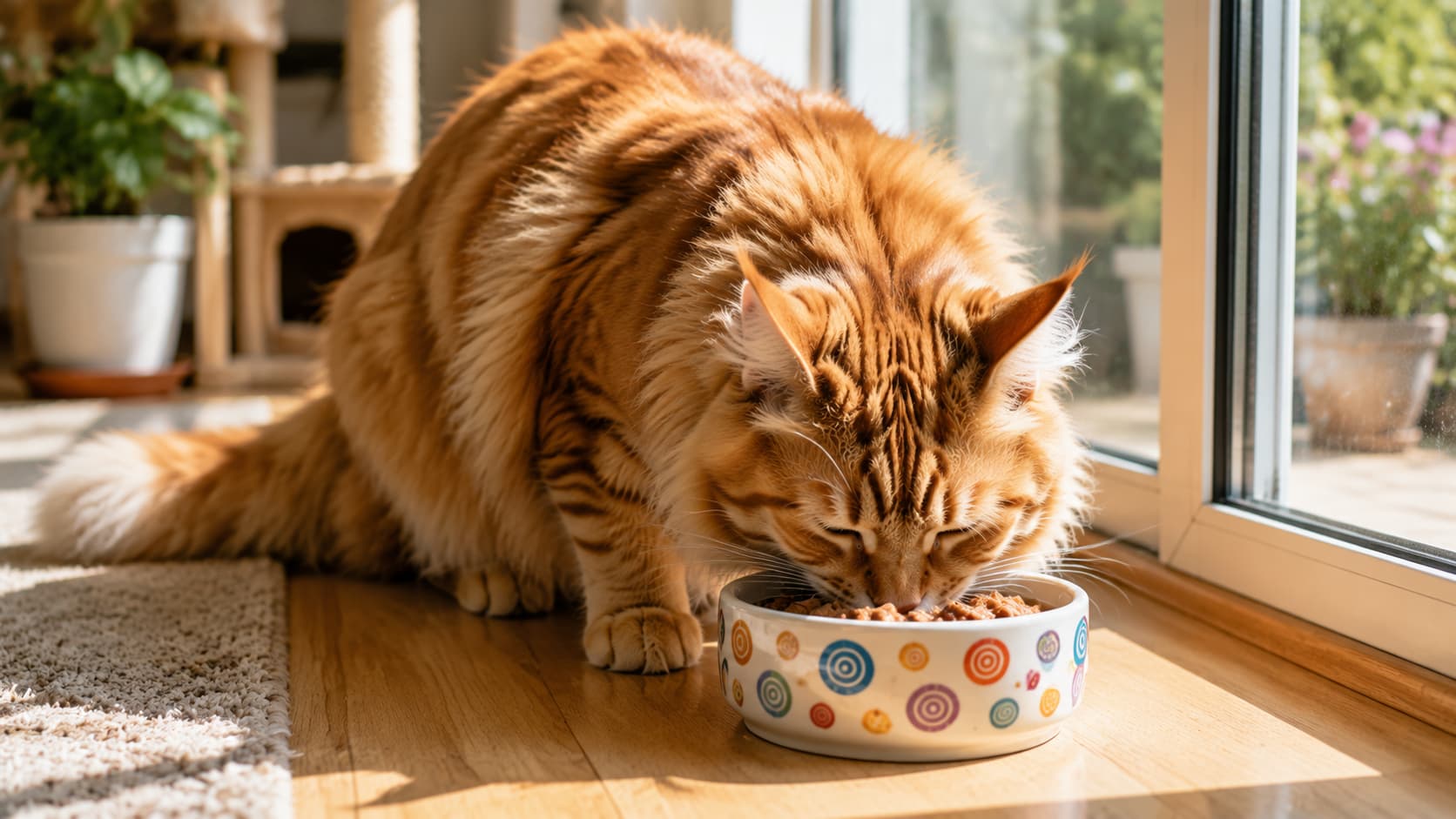
Treats, Mixed Feeding, Feeding Schedule, and Water
Managing Treats
Treats can be included in a cat’s diet but should be offered in moderation.
A common recommendation is that treats should make up no more than about 10% of a cat’s daily calorie intake. Too many treats can contribute to excess calorie consumption and weight gain.
Combining Dry and Wet Food
Some owners choose mixed feeding, combining dry and wet food.
This approach may provide benefits such as:
- increased moisture intake;
- greater food variety;
- improved acceptance for some cats.
When combining foods, total daily calories from both sources should be considered to prevent overfeeding.
Feeding Schedule Options
Common feeding methods include:
Free Feeding
Food is available throughout the day.
This may work for some cats but can increase the risk of overeating, especially for cats prone to weight gain.
Scheduled Meals
Meals are provided at specific times.
This allows owners to monitor intake more closely and adjust portions more easily.
Puzzle Feeders
Puzzle feeders encourage activity and slow down eating, which may benefit cats that eat too quickly.
Fresh Water
Cats eating dry food should always have access to clean water.
Because dry food contains less moisture than wet food, adequate water intake is especially important for supporting hydration.
Measuring, Monitoring, and Adjusting Your Cat’s Diet
Accurately measuring dry food portions is important for maintaining a healthy weight.
Using a measuring cup or kitchen scale can help prevent accidental overfeeding, as small portion differences can add up over time.
Regular monitoring should include:
- monthly weight checks;
- body condition assessment;
- appetite changes;
- activity level.
A healthy cat typically has a visible waist when viewed from above and ribs that can be felt without excessive fat covering.
Body Condition Score (BCS) is commonly used to evaluate whether a cat is underweight, ideal weight, or overweight.
If your cat gains or loses weight unexpectedly, adjust feeding amounts gradually and consider consulting a veterinarian.
When to Consult a Veterinarian
Veterinary guidance is especially important when a cat experiences major changes in weight, appetite, or overall health.
Consult a veterinarian if your cat shows:
- sudden weight loss;
- unexplained weight gain;
- significant appetite changes;
- increased thirst;
- reduced activity;
- digestive problems.
Cats with conditions such as diabetes, kidney disease, or thyroid disorders may require specific dietary recommendations.
Professional guidance can help ensure feeding adjustments match your cat’s health needs.
Supporting Your Cat’s Long-Term Health Through Proper Feeding
Feeding the right amount of dry food requires more than following a package recommendation. Factors such as age, weight, activity level, food calories, and health status all influence how much a cat should eat.
By measuring portions carefully, monitoring body condition, and adjusting food amounts when needed, owners can create a feeding routine that supports healthy weight management.
Every cat has different nutritional requirements, and regular attention to diet can help support better health throughout every stage of life.


Just For You

Parenting
The Significance of Sleep Training for Parents and Babies
April 28, 2026
Pets
How to Train Your Cat to Use Kitty Litter A Simple Guide for New Cat Owners
April 10, 2026

Tourism
Best Travel Destinations for Couples Thoughtful Places to Share Meaningful Moments
April 3, 2026

Shopping
The Heart of Gifting Finding the Perfect Birthday Gift for Your Mom
April 18, 2026
Recommended For You
Parenting
Understanding Pregnancy Symptoms at 2 Weeks What to Expect and How to Care for Your Body
April 25, 2026

Pets
The Importance of Cat Training
May 25, 2026

Tourism
Tropical Honeymoon Destinations Romantic Islands and Beach Escapes for Couples
April 7, 2026

Shopping
Meaningful Choices The Ultimate Guide to Personalized Baby Gifts
April 21, 2026