Pets
How to Train Your Cat to Use Kitty Litter A Simple Guide for New Cat Owners
April 10, 2026
Learn how to effectively train your cat to use the litter box with our simple guide for new cat owners. Discover tips, techniques, and solutions to common issues.
Litter training is essential for fostering harmony in your home with your new feline companion. For many new cat owners, the journey begins with the potential for accidents and their pet's initial wariness of the litter box. Understanding these concerns is crucial; they are normal and manageable! With a little patience and the right approach, you can guide your cat in adopting this important habit quickly. Cats instinctively prefer to dig and bury their waste, so discovering the right type of litter and approach can greatly ease the process. Creating a welcoming and secure environment is pivotal, ensuring both comfort and cleanliness for everyone involved. This guide will provide you with the essentials for successfully training your cat to use the litter box, tackle common challenges, and offer practical solutions for a smoother transition for both you and your furry friend.
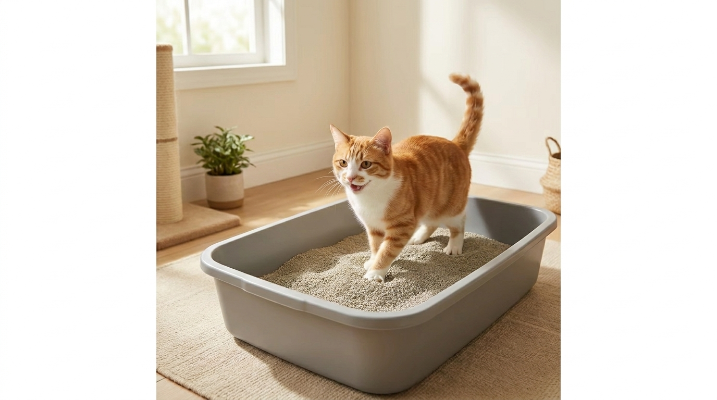
Why Most Cats Naturally Use a Litter Box
Cats are inherently clean animals, which stems from their evolutionary background. As descendants of desert-dwelling ancestors, they have developed a natural inclination to dig and bury their waste as a means of hygiene and protection from predators. This instinctual behavior underscores their preference for cleanliness—most cats will instinctively recognize a litter box filled with proper materials as a designated spot for elimination, mirroring their natural habits found in the wild. By understanding this core characteristic, new cat owners can help facilitate their pet's natural behaviors, making the process of using a litter box straightforward and effective. This awareness is important for establishing a hygienic and welcoming space for both the cat and its owner.
Choosing the Right Litter Box
Selecting the appropriate litter box for your feline friend involves considering several factors: size, type, and accessibility. For larger cats, or if you have multiple animals, opt for a spacious box—ideally, it should be one and a half times the length of the largest cat. When it comes to box types, covered boxes can offer privacy and contain odors, while uncovered options are easier for cats to access and might be favored by cats that dislike confinement. Accessibility is equally important; litter boxes with low sides are more suitable for kittens or older cats with mobility limitations. Placing the box in a quiet, low-traffic area not only encourages usage but also provides the security your cat needs while attending to their business. By giving attention to these aspects, you can enhance your cat's confidence and willingness to use their litter space efficiently.
Selecting Suitable Litter
Choosing the right litter can significantly affect your cat's acceptance of the box. Clumping litter, often made from clay, forms solid clumps for effortless cleanup but can generate dust that may be undesirable for some cats. On the other hand, non-clumping litters absorb moisture without forming clumps, potentially leading to messier cleanups over time. Opting for natural litters made from materials like recycled paper or corn offers eco-friendly alternatives; however, it's essential to note that not all cats prefer these types of litters.
Remember, every cat has their own tastes, making it essential to experiment with different options. Starting with various textures and scents may help identify which litter your cat prefers. Notable brands include Dr. Elsey's Cat Ultra for clumping, Tidy Cats Free & Clean for non-clumping, and Ökocat for natural alternatives. Observing your cat's responses will guide your selection, ensuring their comfort and satisfaction.
Finding the Best Location
The placement of a litter box plays a pivotal role in a cat's willingness to use it. Ideally, a litter box should be situated in a quiet area, away from food and water bowls, as cats prefer privacy while attending to their needs.
For homes with open layouts, selecting corners or smaller separate rooms for placement, such as bathrooms or laundry areas, is advisable. If you have multiple levels in your home, ensure there is at least one box on each floor. Avoid positioning the box near loud appliances or high-traffic zones to help your cat feel more secure. Maintaining cleanliness and avoiding hassle for yourself are also important—choose locations that make it easy for you to clean and maintain the area while providing your feline friend with the comfort of solitude.
Introducing Your Cat to the Litter Box
Familiarizing your cat with the designated litter box is crucial for a smooth transition during their acclimation period. First, place the box in a calm, accessible location that is away from their food and water dishes. Allow your cat to explore at their own pace; in their natural curiosity, they may sniff or step inside without any encouragement.
When you notice your cat indicating interest in the box, gently place them inside after meals or engaging playtime, which often triggers the need to relieve themselves. Employing positive reinforcement, such as treats or verbal praise, will encourage your cat to return to the box. Should accidents occur, avoid scolding and instead redirect with patience back to the box. Through consistent encouragement, your cat will soon identify the litter box as their exclusive spot.
Training Young Kittens
When it comes to training kittens, understanding their unique behaviors is imperative. Kittens are inherently curious, playful, and easily distracted, making shorter and more engaging training sessions more effective.
Indicators like sniffing, squatting, or meowing will signal when they need to relieve themselves, so it's vital to watch for these signs. Providing a clean and easily accessible litter box is critical; kittens appreciate a box they can enter and exit comfortably. Using positive reinforcement, such as treats or praise when they successfully use the box, will help them create a positive association with this behavior. Remember, patience is key—young cats may take some time to learn appropriate elimination habits.
Litter Training Adult Cats
Litter training adult cats, particularly those that have been recently adopted, may require a more tailored approach. Older cats often come with established habits from previous environments, making it important to consider their past experiences, as they may influence current behavior.
Start by observing their preferences; some may have specific litter types or locations they prefer. Gradual transitions are recommended—place the new box near their old box to encourage exploration of the new setup. Be patient, as adjusting to new litter box habits can take time. Utilizing positive reinforcement through rewards whenever the cat uses the box appropriately will assist in reinforcing desired behaviors. If issues persist, consulting a veterinarian or feline behaviorist could provide insights on underlying issues affecting your cat's litter habits. Keep in mind that patience and empathy are crucial during this adjustment phase.
Common Litter Box Problems and Solutions
New cat owners often face various litter box challenges that can complicate training and lead to frustration. One prevalent issue is the refusal to use the litter box, which could arise from the box's cleanliness, the type of litter used, or external stressors. If the box isn’t cleaned regularly, it may deter cats from using it due to unpleasant odors or mess. Moreover, picky cats may have strong preferences regarding texture or dust levels in litter. Accidents outside the box could also indicate health problems or behavioral issues, like anxiety.
To address these concerns, ensure a clean box is maintained, experiment with different litters, and cultivate a tranquil environment for your cat. Observing your cat's behavior closely is essential, as emotional stressors can significantly affect litter box habits. Addressing these issues proactively will contribute to a positive experience for both you and your cat.
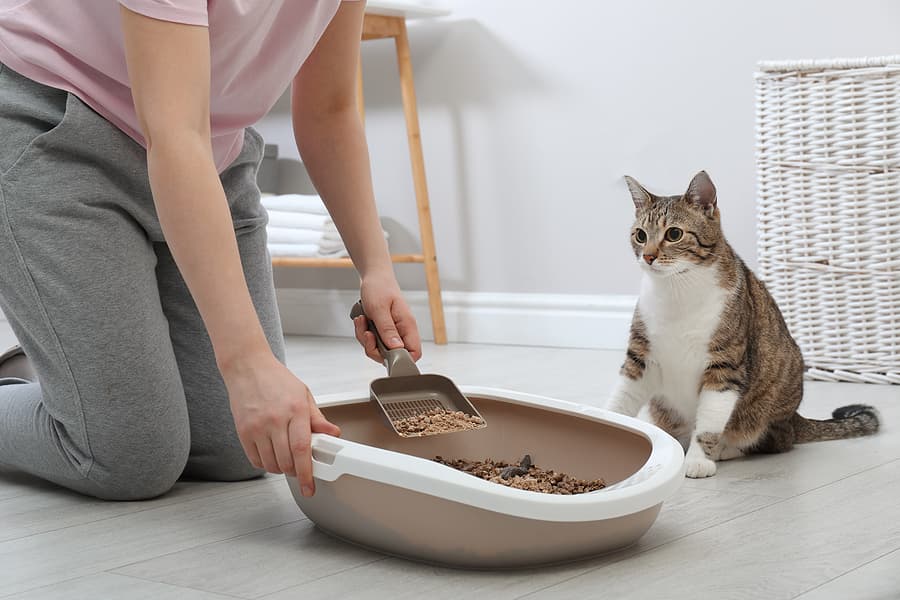
Refusal to Use the Litter Box
A cat’s refusal to use the litter box can stem from a variety of factors, including health concerns or preferences regarding the box. Medical conditions, such as urinary tract infections, can cause pain during urination and lead to avoidance. Additionally, some cats may find specific kinds of litter unappealing due to texture or scent preferences.
To encourage box usage, ensure the box is clean and positioned in a quiet, accessible area. Exploring various litter types to find what your cat prefers will also help. Providing an appropriate environment involves offering at least one litter box per cat and ensuring they are distanced from noisy areas. Regular upkeep, such as scooping daily and using rewards, can reinforce positive behavior. Through understanding the factors that impact your cat's litter box habits and making necessary adjustments, you can foster a happier and healthier routine for both you and your pet.
Managing Litter Boxes in Multi-Cat Households
When multiple cats live together, effectively managing litter boxes is crucial to preserve a peaceful home environment. A common guideline is to provide one litter box per cat, plus one additional box. This strategy helps diminish territorial disputes, as some cats may avoid using a box that another has recently occupied.
For successful management, position litter boxes in separate, quiet areas throughout the home. Keeping each box clean and accessible is crucial, as a dirty litter box can lead to unwanted behavioral issues. Additionally, utilizing positive reinforcement in the form of treats and praise when each cat utilizes their box successfully can contribute to positive litter box habits. By prioritizing your cats' comfort and privacy, you can ensure a stress-free environment where all felines feel secure and content sharing space and resources.
Maintaining Good Litter Box Habits
For maintaining a healthy and welcoming environment for your cat, keeping the litter box clean is fundamental. Aim to scoop the litter box daily to remove clumps and waste, preventing odors and encouraging continual use. Establishing a cleaning routine can streamline this process. Designate a specific time each day—perhaps following meal times or at your regular cleaning intervals—to tend to the box.
Consider changing the entire litter weekly and thoroughly cleaning the box with mild soap to eradicate bacteria and maintain hygiene. A well-kept litter box is vital to ensuring that your cat remains comfortable and happy, ultimately leading to improved litter usage and healthier habits.
Embracing the Journey Together
Litter training your cat goes beyond simply teaching them where to go; it nurtures a special bond between pet and owner. Throughout this guide, we have highlighted essential techniques and addressed common challenges encountered. Maintaining patience and consistency will prove invaluable throughout this training process. While faced with difficulties, the rewards of having a well-trained cat are abundant. A successful litter-trained pet not only ensures cleanliness in your home but also promotes a tranquil environment for you both. Your commitment toward this effort will build a foundation of trust and connection that enhances your companionship. Embrace this journey—the understanding and joy derived from effective litter training are truly precious!


Just For You

Recommended For You
Parenting
Baby Weighted Sleep Sacks Safety Guidelines, Benefits, and Usage Tips
May 13, 2026
Pets
How Often to Feed a Cat A Practical Guide for Every Life Stage
April 23, 2026

Tourism
Exploring Together The Ultimate Guide to Family Adventure Travel
April 21, 2026

Shopping
The Heart of Gifting Finding the Perfect Birthday Gift for Your Mom
April 18, 2026