Pets
How to Train a Cat to Use a Litter Box A Complete Guide
May 28, 2026
Create a nurturing environment for your cat with effective litter box training strategies. Discover essential tips to ensure your feline's comfort and happiness!
Most cats naturally learn to use a litter box because elimination and covering waste are instinctive behaviors. However, creating the right environment, choosing suitable supplies, and maintaining good habits can make litter box training easier, especially for kittens and newly adopted cats.
Successful litter training depends on understanding your cat’s preferences. Factors such as litter type, box location, cleanliness, and household stress can all affect whether a cat consistently uses the litter box.
This guide explains how to introduce a litter box, prevent common problems, handle accidents, and identify situations that may require veterinary attention.
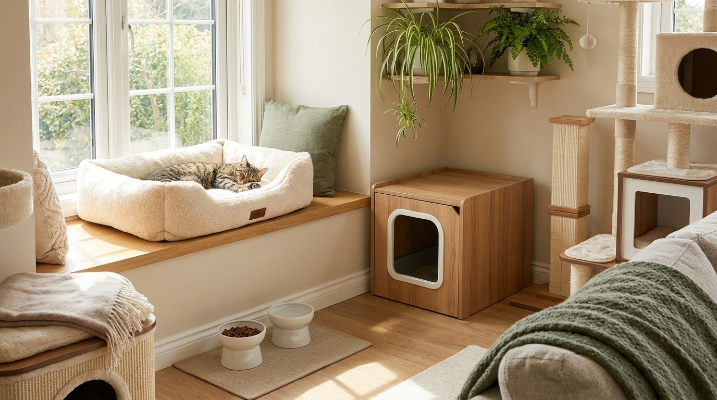
Understanding Cat Litter Box Behavior
Cats naturally prefer to eliminate in areas with a soft, easy-to-dig surface. This behavior allows them to cover their waste and maintain a clean environment.
Providing a litter box that matches these preferences can encourage consistent use.
Important factors include:
- litter texture;
- box size;
- box location;
- cleanliness;
- household environment.
Cats usually prefer litter boxes placed in quiet areas where they can eliminate without disturbance. The box should also be separated from food and water stations, as cats generally avoid eliminating near where they eat.
Understanding these natural preferences helps owners create a setup that supports successful litter box training.
Choosing the Right Litter Box, Litter, and Location
Selecting the right supplies is one of the most important steps in litter training.
Litter Box Size and Type
A litter box should be large enough for your cat to:
- enter comfortably;
- turn around;
- dig and cover waste.
For kittens or senior cats, boxes with lower sides may provide easier access.
A general recommendation is:
one litter box per cat, plus one additional box.
For example, a home with two cats should ideally have three litter boxes available.
Choosing Cat Litter
Cats may have different litter preferences, but many prefer:
- unscented litter;
- fine-textured litter;
- clumping litter.
Strong fragrances can discourage some cats from using the box because cats have a more sensitive sense of smell than humans.
If your cat avoids the litter box after a change, consider returning to the previous litter or introducing new litter gradually.
Proper Placement
Place litter boxes in:
- quiet areas;
- easily accessible locations;
- low-stress parts of the home.
Avoid locations near:
- loud appliances;
- heavy foot traffic;
- food and water bowls.
A convenient and comfortable location increases the chance of consistent use.
Step-by-Step Guide to Introducing a Litter Box
Step 1: Prepare the Litter Box
Fill the box with approximately 2–3 inches of litter. Avoid adding too much litter because some cats dislike unstable surfaces.
Step 2: Show Your Cat the Location
After meals, naps, or play sessions, gently place your cat near the litter box and allow them to explore.
Avoid forcing them to stay inside the box, as this may create negative associations.
Step 3: Reward Successful Use
When your cat uses the litter box correctly, offer gentle praise or a small treat.
Positive reinforcement helps your cat associate the litter box with a safe and rewarding experience.
Step 4: Observe Preferences
Monitor whether your cat:
- enters the box comfortably;
- digs normally;
- avoids certain litter types;
- eliminates elsewhere.
If problems occur, adjust the environment instead of assuming your cat is misbehaving.
Keeping the Litter Box Clean and Encouraging Good Habits
Cleanliness plays an important role in litter box acceptance.
Cats may avoid dirty litter boxes, especially if waste accumulates over time.
Recommended maintenance:
- scoop waste daily;
- replace litter regularly;
- wash the box with mild soap and water;
- avoid strong chemical cleaners.
Strong odors from cleaners or leftover waste may discourage use.
Consistent cleaning creates a predictable routine and makes the litter box more appealing.
What to Do If Your Cat Has a Litter Box Accident
Accidents can happen during training, environmental changes, or periods of stress.
Do not punish your cat.
Punishment may increase fear and make litter box problems worse.
Clean the Area Thoroughly
Use an enzymatic cleaner designed for pet stains. These cleaners help remove odor traces that may encourage repeated elimination in the same location.
Identify Possible Causes
Common reasons for accidents include:
- dirty litter box;
- new litter type;
- changes in household routine;
- stress from new pets or people;
- medical problems.
Understanding the cause is more effective than simply correcting the behavior.
Reducing Stress and Multi-Cat Litter Box Problems
In multi-cat households, litter box problems often occur because of competition or territorial stress.
To reduce conflict:
- provide enough litter boxes;
- place boxes in separate locations;
- create additional hiding and resting spaces;
- provide vertical areas such as cat trees or shelves.
Each cat should have access to resources without feeling threatened by another pet.
Some cats prefer covered litter boxes because they provide privacy, while others prefer open boxes because they allow easier visibility and escape.
Observing your cat’s behavior helps determine the best setup.
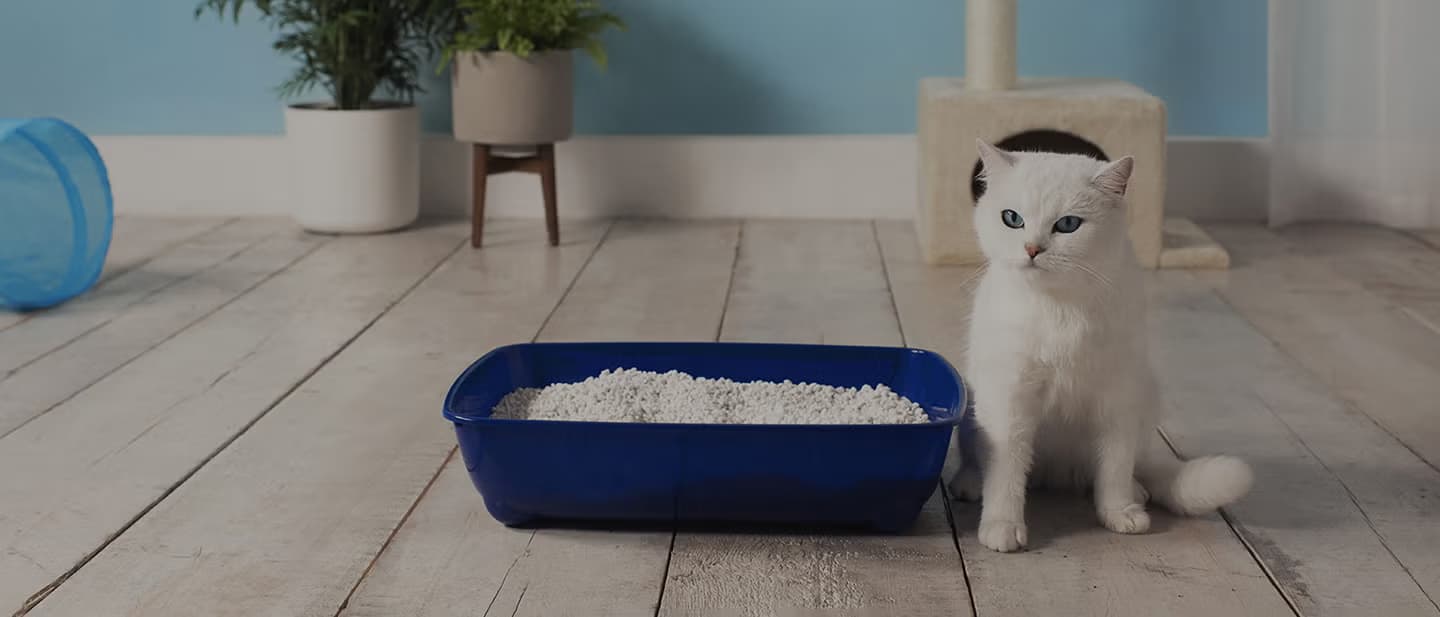
Litter Box Avoidance vs Urine Marking
Not all inappropriate urination has the same cause.
Litter Box Avoidance
A cat may avoid the litter box because of:
- dislike of the litter;
- uncomfortable box design;
- poor location;
- stress;
- medical issues.
Cats with avoidance usually choose another location for elimination.
Urine Marking
Urine marking is different because it is a communication behavior often related to territory or stress.
Signs may include:
- small amounts of urine;
- spraying on vertical surfaces;
- repeated marking in specific areas.
Spaying or neutering, reducing stress, and improving the home environment may help reduce marking behavior.
Medical Signs That Require Veterinary Attention
Sometimes litter box problems are caused by health issues rather than behavior.
Contact a veterinarian if your cat shows:
- straining to urinate;
- frequent litter box visits with little urine;
- blood in urine;
- sudden changes in bathroom habits;
- crying while urinating;
- excessive licking around the urinary area.
Urinary problems can become serious quickly, especially in male cats.
A veterinary evaluation can help identify whether the issue is medical, behavioral, or environmental.
Building Better Litter Box Habits
Successful litter box training is based on creating the right conditions rather than forcing a behavior.
A clean box, suitable litter, proper placement, and a low-stress environment help cats develop consistent habits.
By paying attention to your cat’s preferences and responding to changes in behavior, you can reduce accidents and create a more comfortable home for both you and your pet.

Just For You
Parenting
Understanding the Significance of Pelvic Floor Exercises During Pregnancy
April 12, 2026

Pets
How Long Does It Take to Potty Train a Puppy
June 8, 2026

Tourism
Best Hidden Gems in the United States 2026 Travel Guide
April 29, 2026

Shopping
Finding the Perfect Fit The Best Running Shoes for Wide Feet That Blend Comfort and Performance
March 21, 2026
Recommended For You

Parenting
Understanding When Ectopic Pregnancy Symptoms Start A Comprehensive Guide
May 9, 2026
Pets
The Importance of Cat Training
May 25, 2026

Tourism
Budget Travel How to Travel the World on a Budget
May 6, 2026
Shopping
Best Cat Flea Products That Help Keep Your Cat Safe and Comfortable
April 18, 2026