Parenting
Car Seats for Newborns A Practical Safety Guide for New Parents
April 22, 2026
Keep your newborn safe during travel with essential car seat safety tips. Discover how to choose, install, and use car seats effectively for your child's protection.
Ensuring optimal safety for newborns during travel is a significant concern for new parents, especially given alarming statistics regarding infant passenger safety. Car accidents remain a leading cause of injury and death among children under one year of age. According to the National Highway Traffic Safety Administration (NHTSA), correctly used car seats can reduce the risk of fatalities by as much as 71% for infants in passenger vehicles. This article seeks to provide indispensable knowledge and guidance, empowering new parents to make informed choices about car seat safety. We will delve into selecting the right car seat, proper installation techniques, everyday use tips, and guidelines for upgrading or replacing car seats. By arming themselves with this information, parents can ensure their little ones are safe while traveling.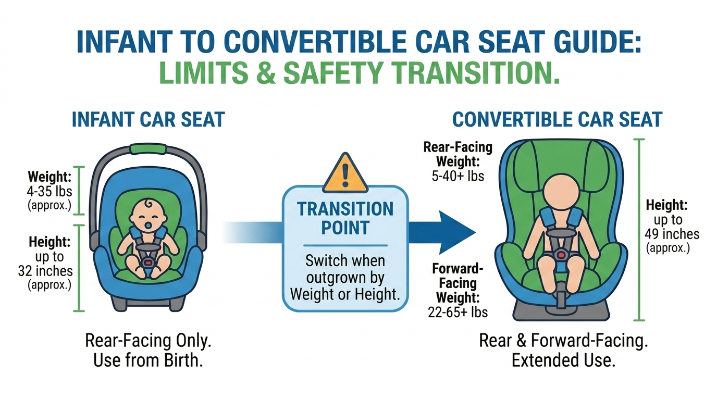
Why Car Seats for Newborns Are Essential for Safety
The vital role that properly used car seats play in a newborn's safety cannot be overstated. Specifically designed for infants, these seats provide crucial support by cradling the child's fragile body and drastically reducing the risk of serious injuries during collisions. The American Academy of Pediatrics recommends that all infants remain secured in a rear-facing car seat until at least the age of two or until they exceed the maximum weight or height limit set by the seat. This guideline is based on the understanding that rear-facing seats distribute crash forces across the entire back of the seat, thereby offering superior protection to the baby’s head, neck, and spine compared to forward-facing seats.
The Significance of the Rear-Facing Position
Utilizing rear-facing car seats considerably diminishes the likelihood of injuries during a crash by providing essential support to an infant's head and neck. In the event of a severe impact, this design allows the car seat to absorb shock, keeping the child's head aligned with their spine and minimizing any motion that could cause traumatic injuries. Safety experts, including those from the NHTSA, stress that children should remain in a rear-facing car seat for as long as possible, ideally until they surpass the seat’s weight or height limits, to ensure maximum protection for the little ones.
Common Risks of Improper Use
The hazards posed by improperly installed car seats are alarming, as these mistakes can lead to insufficient protection in an accident. For instance, if a car seat is not tightly secured, it might become unlatched during a collision, putting the infant at significant risk. A harrowing example involved a mother who rapidly installed a car seat for a short trip, only to have her baby suffer serious injuries in an accident. Such real-life events accentuate the critical need for meticulous installation and proper car seat usage; even minor oversights can transform a seemingly safe device into a dangerous one. New parents must diligently ensure that car seats are correctly fitted and routinely checked to avert tragic consequences.
Choosing the Right Car Seat for a Newborn
When selecting a car seat for your newborn, it’s essential to differentiate between two main types: infant-only car seats and convertible car seats. Infant-only car seats are specifically designed for newborns and younger babies, generally enabling rear-facing use only until they reach approximately 30 to 35 pounds. Their main advantages are portability and a snug fit tailored for smaller infants, although they will typically need replacement as the child grows. In contrast, convertible car seats can transition from rear-facing to forward-facing, accommodating larger children, often up to 65 pounds or more. While convertible seats offer long-term use, they may lack the portability inherent in infant seats, making transfers between vehicles more cumbersome.
Key Safety Standards Parents Should Look For
Safety should be paramount when choosing a car seat. Look for compliance with the Federal Motor Vehicle Safety Standards (FMVSS), which ensures that car seats undergo rigorous testing for safety and performance. Additionally, checking for recalls is essential, as these may involve safety defects that pose a risk to your child. To verify compliance and safety, parents can inspect manufacturer labels, visit the NHTSA website, or contact local child safety organizations before making a purchase.
Understanding Weight and Height Limits
It is crucial to comprehend how weight and height limits affect car seat selection. Each car seat features specific requirements that must be followed to ensure safe usage. Be sure to verify that your baby comfortably meets both limits before finalizing the purchase of a car seat.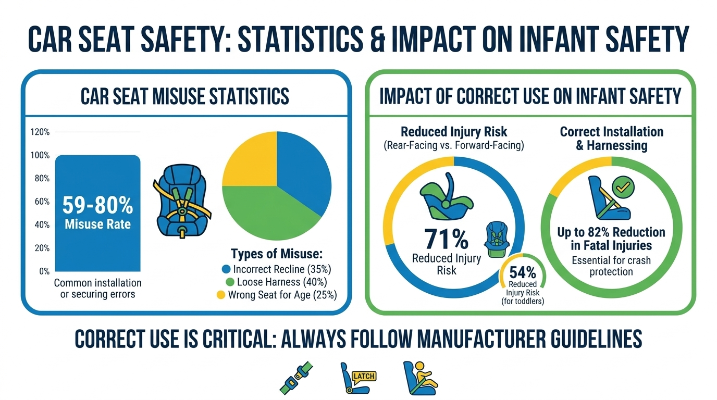
Installing a Newborn Car Seat Correctly
Proper installation of a newborn car seat is essential for ensuring your baby's safety while traveling. Your first step is to determine the best method of installation—either using the vehicle's seat belt or the ISOFIX/LATCH systems.
Seat Belt vs ISOFIX/LATCH Systems
When considering these installation methods, it is important to understand their respective advantages and disadvantages. The ISOFIX (or LATCH) system is designed to create a more secure connection to the vehicle, significantly reducing the risk of improper installation. Conversely, the seat belt method offers versatility and can be employed in any vehicle. However, in older cars, the seat belt system might lead to challenges that could cause incorrect installations. Generally, it is recommended to utilize the ISOFIX/LATCH system when available, as it often simplifies the installation process, ensuring a more secure fit when installed properly.
Common Installation Mistakes to Avoid
To maintain safety for your newborn, be aware of common installation errors such as loose fittings or incorrect angle positioning. Experts suggest checking the stability of the car seat by pulling at the base; if it wobbles more than an inch, it is too loose. Moreover, check the recline angle for correctness; many car seats come equipped with built-in indicators for easy verification. Failure to adhere to these tips could jeopardize your newborn's safety while traveling.
Confirming Stability and Angle Positioning
After installation, verifying the stability of the car seat is critical. The base should not move when tugged. Ensuring that the angle aligns with your vehicle's specifications is equally important; a car seat positioned too far back or too upright can pose significant safety risks during sudden stops. Most car seats display indicators for correct angles, simplifying the verification process for parents after installation. A well-installed car seat can be lifesaving in emergency situations.
These straightforward yet effective steps can guarantee your newborn travels safely, while reinforcing proper installation techniques for new parents.
Proper Harness Positioning
Adjusting the harness straps of your newborn’s car seat securely is vital for ensuring your child’s safety while traveling. The harness should fit snugly without being overly tight; ideally, no more than one finger's width should fit between the straps and your baby's collarbone. Pay attention to your child's growth and note seasonal clothing choices, as they can affect the fit of the harness as well. Always check the fit after dressing your child in different clothing, such as thicker layers in colder weather, and make adjustments as necessary to uphold safety. Regular inspections of the straps are imperative to ensure they are correctly positioned over the shoulders and chest without twisting.
Winter Clothing and Safety Considerations
Bulky winter clothing can drastically affect the harness's effectiveness in a car seat. Heavy jackets can create excessive space between the harness and your baby's body, amplifying the risk of injury during an accident. Instead of bundling your baby in thick layers, opt for thinner, warmer clothing and then cover them with a blanket once securely in the car. Additionally, specially designed covers for infant car seats can offer warmth while maintaining secure harness fittings without adding too much bulk.
Recommended Travel Duration for Babies
Although travel times vary, experts generally advise that newborns should not remain in a car seat for more than two hours at a time. Regular breaks can support circulation and allow for repositioning. Always consult with pediatricians regarding recommendations on travel length and safety for newborns.
Recognizing Growth Indicators and Safety Expiration Rules
As children grow, their car seat requirements will evolve significantly. One of the initial signs that indicate a need to upgrade or replace a car seat is when a child surpasses the weight or height limits established by the manufacturer. For rear-facing seats, children usually need to transition once they hit the maximum height, typically between 30 to 40 inches, or if their head is within an inch of the top of the seat. Another indication for changing seats arises when a child’s shoulders rise above designated harness slots; this signals that it is time to procure a larger seat to ensure continued safety.
Equally important is adhering to car seat expiration dates. Most car seats are designed to last between six to ten years, after which materials can deteriorate, compromising safety in the event of a collision. An expired car seat may fail to meet safety standards or provide adequate protection, thus increasing risk during accidents. Therefore, parents should keep track of purchase dates and routinely check both the labels on the seat and the manufacturer's guidelines. Abiding by these rules guarantees that children remain secure while on the road.
Prioritizing Your Newborn's Safety
Maintaining the safety of newborns in vehicles rests on essential safety practices: always utilize a rear-facing car seat, ensure proper installation techniques, and regularly check for recalls. Parents should also remain vigilant about observing weight and height limits and transition to bigger seats when necessary. Educating oneself is crucial; keeping in touch with reliable sources, such as pediatricians or official safety organizations, for updates on car seat regulations and recommendations is key. Keep in mind that the safety of your little one hinges on these informed decisions, making every trip a secure one.


Just For You

Parenting
A Comprehensive Guide to Caring for Newborns Essential Tips for First-Time Parents
April 3, 2026

Pets
How Long Does It Take to Potty Train a Puppy
June 8, 2026

Tourism
Tropical Honeymoon Destinations Romantic Islands and Beach Escapes for Couples
April 7, 2026

Shopping
Unlocking Value The Best Cheap Running Shoes That Don’t Skimp on Comfort
April 13, 2026
Recommended For You
Parenting
Baby Sleep Schedule by Age A Practical Guide for New Parents
April 25, 2026

Pets
How to Crate Train a Puppy Safely
June 19, 2026

Tourism
Best Destinations to Travel in June Where the World Feels Just Right
April 17, 2026

Shopping
Meaningful Choices The Ultimate Guide to Personalized Baby Gifts
April 21, 2026