Real Estate
Interior Home Design A Practical Guide to Creating Beautiful and Functional Spaces
April 3, 2026
Transform your home with our practical interior design guide. Discover tips for functionality, color selection, and stylish living spaces.
Interior home design significantly influences our daily lives, shaping not only our environments but also our moods and interactions. A well-designed space enhances our productivity and well-being, making it imperative to consider both aesthetics and functionality when creating homes. By blending beauty with practicality, we can transform our living spaces into personal havens that reflect our style while serving everyday needs.
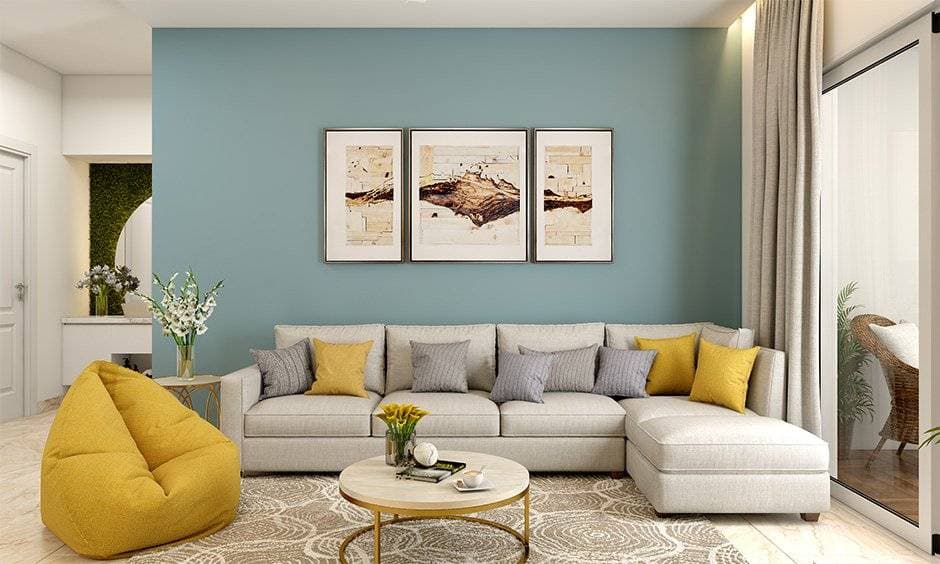
In this article, we will explore the fundamentals of interior design, starting with an understanding of design principles and effective planning techniques. We will delve into color selections, unique living room ideas, and clever strategies for maximizing small spaces. Additionally, we will highlight common mistakes to avoid and offer valuable insights to inspire your design journey. Join us as we embark on a path to craft spaces that are not only eye-catching but also a joy to live in.
Understanding Interior Home Design Basics
Interior home design is both an art and a science, emphasizing functionality and aesthetic appeal in living spaces. At its core, good design enhances how we live, work, and play within our homes. Picture balancing a seesaw; ensuring equilibrium is crucial for stability, similar to how balance in design can transform a room from chaotic to serene.
Key elements of design include balance, harmony, and scale. Balance protects against overwhelming sensations. Symmetry evokes calm, while harmony ensures all components complement one another—like colors in a painting coming together to create a cohesive piece. Scale focuses on proportional relationships; a grand chandelier may overwhelm a small dining room, just as a modest lamp may disappear in a vast hall.
Understanding the intended purpose of each room shapes design choices significantly. For example, a serene bedroom encourages restful hues and soft textures, while a vibrant kitchen benefits from cheerful colors and functional layouts. Designing with each room's function in mind dictates selections of furniture, color schemes, and arrangements, ultimately crafting spaces that resonate with their purpose and the lives of their inhabitants.
Planning Your Space Before Decorating
Strategic space planning is a crucial first step in any interior design project. Understanding how each room will be utilized allows you to create a layout that enhances functionality and flow. Before diving into decoration, measure your space accurately as dimensions play a pivotal role in design effectiveness. A common misstep is assuming that a large sofa will fit comfortably in a modest living room; without precise measurements, you might end up with a cluttered space.
To visualize ideas, sketching a floor plan can be very effective, allowing you to explore various layouts without the commitment. Alternatively, design software offers a sophisticated approach, providing tools to manipulate furniture and decor in a virtual environment. This technology helps you envision how choices will work together, ensuring pathways for movement are clear.
Taking the time to assess space thoughtfully allows you to avoid common pitfalls in interior design, creating an environment that beautifully blends style and function.
Choosing Colors, Materials, and Lighting
Color choices in interior design significantly affect mood and perception of space. Blues and greens promote calmness, while yellows and oranges can energize a room. Use these insights to create spaces that reflect your desired atmosphere. Additionally, the choice of materials—whether wood, metal, or fabric—impacts aesthetics, durability, and maintenance. For example, hardwoods offer lasting beauty but require regular upkeep, while laminate is low-maintenance.
Lighting is crucial in shaping a room's ambience. A well-considered lighting design enhances functionality and aesthetics. Utilize a layered approach: ambient lighting provides overall illumination, task lighting highlights specific areas like reading nooks, and accent lighting draws attention to artwork or architectural features.
Choosing your color palette requires consideration of both emotional impact and practical material implications. Lastly, select lighting that complements your color choices—warm lights can soften bold hues, creating a welcoming environment that is both beautiful and functional.
Living Room Interior Design Ideas That Work in Real Homes
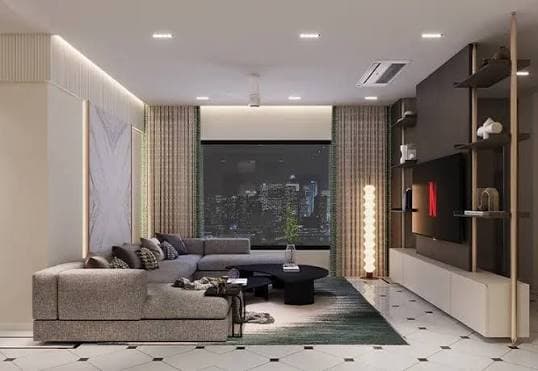
Designing a living room that reflects personal style while fostering functional use is essential for creating a welcoming space. Consider a modern approach with sleek furniture, geometric patterns, and neutral tones. A low-profile sectional paired with a minimalist coffee table optimizes space and fosters social interaction. Alternatively, a cozy design might incorporate soft textures like oversized cushions and layered rugs—perfect for leisure. Imagine a reading nook with a plush chair beside a well-curated bookshelf, ideal for unwinding.
Furniture arrangement plays a pivotal role in enhancing social connections or relaxation modes. A circular seating arrangement encourages conversation, whereas a linear layout may invite evening TV time. Flexibility is key; modular furniture can adapt to changing needs, allowing fluid transitions between gatherings and quiet evenings.
Seamlessly integrating technology is also crucial; an entertainment center with concealed wiring maintains a stylish appeal while meeting modern demands. Incorporating smart lights or speakers can easily transform ambiance—making your living room a versatile hub that suits various lifestyles. Thoughtful design creates a living room that is both beautiful and functional, reflecting personal taste while accommodating everyday life.
Small Space Interior Design Tips
- Multifunctional Furniture: Invest in furniture that serves multiple purposes, such as a sofa bed or an ottoman with storage. This maximizes usability without overcrowding the space.
- Creative Storage Solutions: Utilize vertical space with tall bookshelves or wall-mounted shelves. Consider under-bed storage or built-in units that can tuck away clutter seamlessly.
- Optimize Layout: Arrange furniture away from walls to create flow and facilitate movement. Ensure pathways are clear to avoid a cramped feeling.
- Use Light Colors: Paint walls and choose furnishings in light hues to reflect light and create the illusion of a larger space. Avoid dark colors that can make a room feel small and enclosed.
- Mirrors for Illusion: Place mirrors strategically to reflect light and create a sense of depth. A large mirror can act as a statement piece while visually expanding the room.
Do and Don't Checklist
- Do: Incorporate transparent elements like glass tables or acrylic furniture to maintain an open feel.
- Don’t: Overdecorate with knick-knacks; opt for simple and functional decor that enhances efficiency.
By implementing these strategies, you can enhance the functionality and aesthetics of your small space, creating an inviting atmosphere that improves your quality of life.
Common Mistakes in Home Interior Design
In home interior design, many homeowners stumble onto the same pitfalls, often unwittingly. One typical mistake is clutter—the odd collection of items that accumulates over time. It can be tough to part with sentimental trinkets, but excessive decoration can overwhelm a space, making it feel cramped and chaotic.
Consider a friend who transformed her living room into a display for travel souvenirs. While each piece held a story, the room felt more like a museum than a welcoming space.
To remedy this, decluttering before decorating is essential. Aim for a curated collection highlighting favorites while creating balance. It's not about how much you own but how well you showcase what you love. This approach leads to thoughtful design, resulting in spaces that are beautiful and functional.
Embracing the Design Journey
Creating a comfortable home is a deeply personal journey, shaped by your unique tastes and experiences. Design is subjective; what resonates with one may not with another. Embrace your individuality as you curate your space, allowing your preferences to shine through. As you incorporate principles discussed throughout this guide, from balanced aesthetics to practical functionalities, ensure your choices reflect you.
The heart of a true home lies in harmonizing form and function, where every item not only beautifies but also serves a purpose. Prioritize your comfort and lifestyle as you make design decisions. Let your environment nurture you, inspire creativity, and foster joy. Your home should be a canvas of self-expression, where personal style meets thoughtful design choices, inviting warmth and happiness into your daily life.
Celebrate your journey and transform your space into the comforting refuge you’ve always envisioned!
Moving Forward with Interior Design
Transforming living spaces into beautifully functional environments is a journey worth undertaking. We have explored essential elements such as design basics, planning strategies, and optimal selections of colors, materials, and lighting. Take your time experimenting with different styles and configurations that resonate with your personal taste. Embrace the exploration process, and feel free to make adjustments until your home truly reflects your individuality. Dive in, unleash your creativity, and create an interior that brings joy and functionality to your everyday life.


Just For You

Parenting
How Long Can a Newborn Be in a Car Seat Essential Guidelines for Parents
May 10, 2026

Pets
The Allure of Long-Furred Cat Breeds
May 19, 2026

Tourism
Best Places to Visit in Spain A Complete Travel Guide to Top Cities and Attractions
April 2, 2026

Shopping
Personalized Gifts for Grandma That Feel Thoughtful and Truly Meaningful
April 13, 2026
Recommended For You

Parenting
Understanding the Early Signs of Pregnancy
May 13, 2026

Pets
How Often to Feed a Cat A Practical Guide for Every Life Stage
April 23, 2026

Tourism
Best Hidden Gems in the United States 2026 Travel Guide
April 29, 2026
Shopping
Personalized Family Gifts That Strengthen Meaningful Connections at Home
April 13, 2026