Parenting
How Long Can a Newborn Be in a Car Seat Essential Guidelines for Parents
May 10, 2026
Learn essential guidelines for safely transporting your newborn in a car seat, including time limits and best practices for comfort and safety.
Traveling with a newborn is a venture that requires meticulous planning, particularly when it concerns the crucial aspect of car seat safety. Understanding how long a newborn can safely be in a car seat is essential for ensuring both their comfort and protection during excursions. Infants are particularly vulnerable during car rides, making it imperative for parents to adhere to established guidelines that dictate safe durations for car seat usage. This article delves into the fundamental practices for safely transporting your baby, empowering parents to make informed decisions that safeguard their child's well-being on the road. Choosing the right car seat for a newborn is one of the most important safety decisions for new parents, especially when understanding how infant car seats are designed for maximum crash protection.
1. Defining the Stages of Car Seat Usage
Understanding the stages of car seat usage is instrumental in ensuring your child's safety during travel. There are three main categories of car seats: infant car seats, convertible car seats, and booster seats, each specifically designed for varying ages, weights, and stages of development.
Infant Car Seats
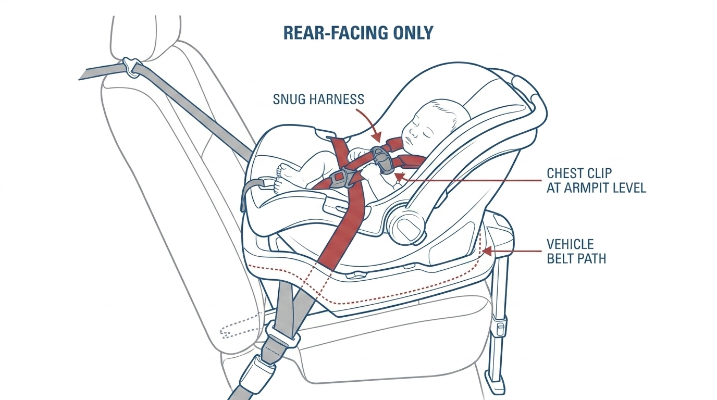
Infant car seats cater to newborns and infants up to 30 pounds or those who reach 30 inches in height. These seats are exclusively rear-facing, offering vital support for an infant's head and neck. The rear-facing position significantly reduces the likelihood of serious injury in a crash while also minimizing the risk of suffocation. Babies should remain in this position until they exceed the weight or height limitations of their specific car seat, ensuring utmost safety during critical developmental stages.
Convertible Car Seats
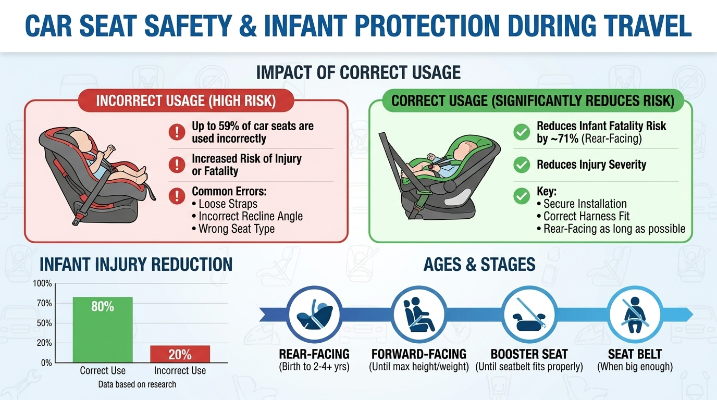
Convertible car seats provide flexibility, allowing use in both rear-facing and forward-facing orientations. Typically suited for children ranging from 5 to 65 pounds, these seats adapt as your child grows. However, transitioning to forward-facing should only occur after your child surpasses the rear-facing limits set by the manufacturer, preserving their safety throughout their childhood.
Booster Seats
Booster seats are designed for children weighing between 40 and 100 pounds. They aid in the proper positioning of the vehicle's seatbelt across the child's body, which is crucial for reducing injuries in the event of an accident. This stage is pivotal, as it ensures older children maintain secure restraints while traveling, adapting to their size and growth needs.
By becoming familiar with these stages, parents can make educated choices that enhance their child’s travel experience and overall safety.
2. Understanding Developmental Milestones and Car Seat Safety for Newborns
Newborns undergo substantial developmental changes in the early months of life, which greatly influence car seat safety decisions. Infants are born with minimal neck and spinal support, underscoring the importance of selecting car seats specifically constructed for their developmental needs. The American Academy of Pediatrics (AAP) advocates for infants to stay in rear-facing car seats until they reach maximum weight or height limits, typically around the age of two.
A critical element to consider is the "2-hour rule," which states that newborns should not be secured in a car seat for longer than two hours consecutively. Studies published in Pediatrics have found that semi-reclined positions, such as those used in car seats, may be associated with transient oxygen desaturation and respiratory instability in infants, particularly preterm or low-birth-weight infants.
Newborns may develop positional asphyxia, a dangerous condition where the head is allowed to fall forward, constricting airflow. Thus, adhering to this two-hour guideline is paramount to preventing health issues while traveling.
The National Highway Traffic Safety Administration (NHTSA) emphasizes the necessity for parents to take regular breaks during lengthy trips, allowing infants to be removed from their car seats to enhance circulation and respiratory function. Additionally, ensuring the car seat is correctly installed and that newborns are securely fastened can have significant implications for their comfort and safety. By prioritizing proper car seat usage and being attuned to the developmental needs of their infants, parents can create a safer travel environment that champions their newborn's health and well-being.
3. Care Methods for Traveling with a Newborn in a Car Seat
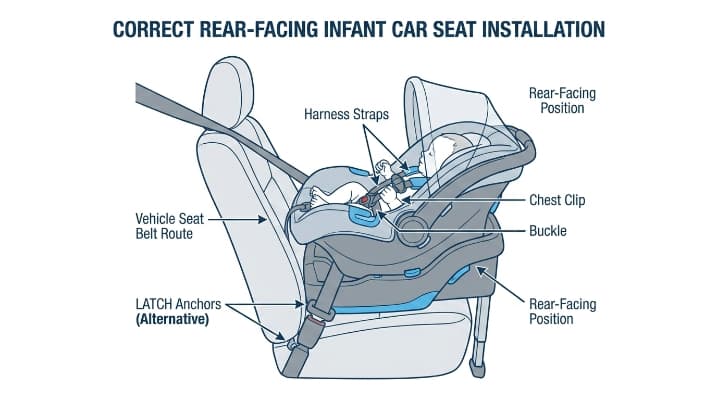
When embarking on a journey with a newborn, the significance of ensuring a secure and comfortable car seat installation cannot be overstated. During short voyages, consistently check that the car seat is properly secured in the vehicle and that the safety straps are snug yet comfortable against your baby. For extended journeys, additional precautions are necessary: adjust the seat's angle to prevent the baby’s head from slumping forward, which can lead to obstructed breathing. Typically, a recline angle of approximately 45 degrees is recommended, supporting the newborn’s delicate spine.
Frequent stops are essential to accommodate feeding, diaper changes, and tummy time outside the car seat to alleviate any discomfort. Flexibility in travel plans is advantageous, as it allows parents to attend to their baby’s specific needs.
Recognizing signs of discomfort in your newborn during travel is imperative. Typical cues include fussiness, persistent crying, or turning their head away from the car seat. Upon noticing these indicators, safely pull over and engage in soothing techniques, such as soft-spoken words or gentle singing. Sometimes, repositioning the car seat or providing a pacifier can effectively calm your newborn.
Additionally, consider using a baby mirror that enables you to monitor your newborn's face while driving, helping you remain aware of their condition without diverting your attention to the road. Keeping a familiar blanket or toy close at hand can provide additional comfort for your baby as they travel.
Ultimately, the primary objective is to ensure both safety and comfort for your newborn during their travel experiences. By implementing the recommended care methods, parents can embark on their trips with confidence, knowing they are attuned to their child’s needs and comfort levels.
4. Key Safety Guidance for Car Seat Usage
Ensuring the safety of your newborn in a car seat is of paramount importance. Research from the National Highway Traffic Safety Administration (NHTSA) indicates that the correct use of car seats can decrease the risk of injury by an impressive 71% to 82% compared to using seat belts alone for children. To ensure your child’s safety, adhering to key regulations and best practices is crucial.
To start, confirm that the car seat is appropriately installed at the correct recline angle, usually between 30 and 45 degrees for rear-facing seats; this position is vital in sustaining airway support for newborns. The harness system should also be adjusted for a snug fit, with straps lying flat against the child's chest and the clip positioned at the armpit level.
Routine checks for car seat recalls are essential to ensure ongoing safety. Parents can utilize the NHTSA's online resources to report any issues and access updates, facilitating informed decisions regarding potential safety notifications. It is equally important to track your child’s growth; as they approach weight or height thresholds, transitioning to the next stage seat becomes necessary to ensure continuous safety.
By adhering to these guidelines, parents can feel assured about their car seat practices, ultimately elevating their children's safety during their journeys on the road.
Just For You

Parenting
Understanding the Early Signs of Pregnancy
May 13, 2026

Pets
How to Toilet Train a Puppy in 7 Days
June 15, 2026

Tourism
Best Travel Destinations for Couples Thoughtful Places to Share Meaningful Moments
April 3, 2026

Shopping
Unlocking Value The Best Cheap Running Shoes That Don’t Skimp on Comfort
April 13, 2026
Recommended For You
Parenting
Is Diarrhea Normal During Pregnancy Causes and When to Worry
May 23, 2026

Pets
Litter Box Training for Beginners Everything Cat Owners Need to Know
April 17, 2026

Tourism
Best Destinations to Travel in June Where the World Feels Just Right
April 17, 2026

Shopping
Personalized Gifts for Grandma That Feel Thoughtful and Truly Meaningful
April 13, 2026