Parenting
Baby Sleep Schedule by Age A Practical Guide for New Parents
April 25, 2026
Discover essential tips for establishing a healthy baby sleep schedule. Enhance your infant's sleep and well-being with our practical guide for new parents!
As new parents, understanding your baby's sleep patterns is crucial for establishing a nurturing bedtime routine and setting realistic expectations during those early months. Infant sleep varies widely; however, distinct patterns emerge as babies grow. For instance, while newborns may sleep between 16-18 hours a day with fleeting wakeful moments, older infants gradually consolidate their sleep into longer stretches at night. Recognizing these trends not only benefits your baby's rest but also ensures your well-being. This guide aims to inform and reassure you, offering insights and practical strategies to enhance your baby’s sleep journey, creating a calming environment conducive to restful nights. With the right approach, you’ll feel empowered to cultivate healthy sleep habits that enrich both your life and your baby's.
Understanding How a Baby's Sleep Schedule Develops
Why Newborn Sleep is Unpredictable
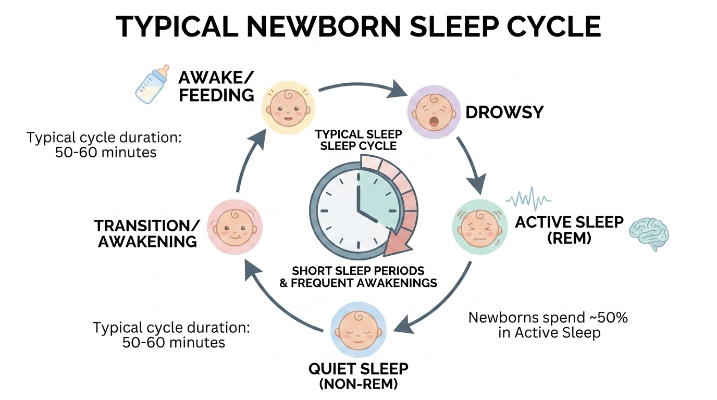
Newborn sleep often feels chaotic to new parents, and this unpredictability stems from a few key factors. Babies are born with small stomachs, necessitating feedings every few hours. As a result, their sleep patterns are irregular; unlike adults, newborns experience short sleep cycles typically lasting 20 to 50 minutes, which leads to frequent awakenings. Moreover, during the first weeks, a newborn's sleep isn’t governed by a regular circadian rhythm; instead, it consists of varying cycles from day to day, making it challenging for parents to anticipate when their infant will be awake or asleep.
How Sleep Patterns Change in the First Year
As babies grow, their sleep patterns undergo significant transformations. Around three months of age, many infants start establishing more consistent sleep schedules as their circadian rhythms begin to mature. This is when nights can stretch to longer periods of uninterrupted sleep, sometimes lasting up to five hours. By the time they reach six months, many parents observe even more pronounced shifts, including a more predictable routine. Approaching their first birthday, infants typically sleep longer overall and usually transition to just two daytime naps as they increasingly engage with their environment. While each baby is different, these general patterns provide comforting guidelines for parents.
Baby Sleep Schedule by Age
0–3 Months Sleep Patterns
In the early months, newborns demonstrate particular sleep patterns characterized by a need for 14-17 hours of rest daily, albeit in short bursts. Parents should anticipate frequent awakenings for feedings, typically every 2-4 hours, during this period. Infants do not yet differentiate between day and night, resulting in unpredictable sleep. To mitigate this, establishing a soothing bedtime routine, like gentle rocking and calming sounds, helps signal to babies that it’s time for sleep—even if such sleep remains fragmented.
4–6 Months Sleep Development
From four to six months old, babies usually begin consolidating their sleep into longer stretches, averaging about 12-15 hours each day, including naps. Many infants will sleep for longer periods at night, often between five and six hours at a time. Parents may want to start sleep training during this phase, exploring methods such as the Ferber or fading techniques, which encourage self-soothing and independent sleep. Watching for bedtime cues like rubbing eyes or slight fussiness can help parents craft an effective sleep schedule.
7–12 Months More Structured Routine
At the 7-12 month mark, many infants adopt a more structured sleep regimen, usually napping twice a day—a morning nap followed by an afternoon rest. This aligns with their awake periods that typically stretch to 3-4 hours. This stage often coincides with critical developmental milestones that influence sleep patterns, including improved mobility. Parents might find that with these changes, nighttime sleep becomes more consistent. A well-established bedtime routine, inclusive of calming activities such as reading or dimming lights, can enhance this predictability and cultivate sleep habits that extend into toddlerhood.
Creating a Healthy Baby Sleep Schedule at Home
Day and Night Rhythm Basics
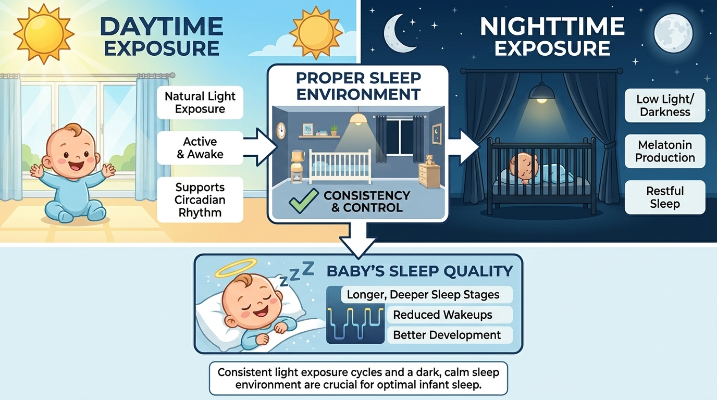
Establishing a consistent day and night rhythm is vital for improving your baby's sleep quality. Babies naturally respond to light and dark cycles, which help set their internal body clock. Daytime exposure to natural light—especially early morning sunlight—signals wakefulness and regulates melatonin secretion, the hormone that promotes sleep. Conversely, reducing bright light exposure in the evenings encourages relaxation, paving the way for improved nighttime rest. Striving for a rhythm that syncs with natural light can significantly enhance your baby's overall sleep quality.
Nap Timing and Wake Windows
A clear understanding of nap timing and wake windows is essential for preventing overtiredness. Infants usually have a limited wakefulness window before needing another nap, and this duration varies by age. For instance, a newborn may tolerate only 45-60 minutes, while a six-month-old can span 2-3 hours awake. Look for sleepy signs such as eye rubbing or fussiness, which indicate it's time to wind down. Establishing a consistent napping routine not only promotes better sleep patterns but also helps ensure your baby is happy and well-rested throughout the day.
Feeding and Sleep Balance
Aligning feeding schedules with sleep times is critical for a smoother transition into nighttime slumber. When timed well, a feeding can calm your baby and promote sleep without creating a rigid dependency that they must always feed to fall asleep. Aim to initiate feedings before naps and bedtime, yet avoid letting them drift into sleep while nursing or bottle-feeding. Striking this balance fosters a healthy relationship between feeding and sleeping, encouraging your baby to learn to fall asleep independently as they mature.
Common Sleep Challenges Parents Experience
Every new parent quickly learns that the path to restful nights is riddled with challenges. Here, we highlight three common sleep obstacles along with supportive solutions to facilitate the journey.
Frequent Night Waking
Frequent night awakenings are a widespread concern for parents and can vary from one infant to another. Babies may wake due to a myriad of issues such as hunger, discomfort, or simply the need for closeness. To alleviate nighttime disruptions, establish a calming pre-sleep routine including dim lighting and soft, soothing stories. Consistency in approach is crucial; when a baby wakes, aim to help them return to sleep with minimal engagement, using comforting sounds or gentle movements. This strategy reinforces the idea that nighttime is meant for rest, likely reducing the frequency of awakenings over time.
Short Naps and Irregular Sleep
Many babies struggle with short naps, which leaves parents exhausted and can stem from overstimulation or an inconsistent sleep environment. Factors like temperature, noise, and light levels significantly influence nap duration. To support longer naps, create a familiar pre-nap routine and ensure that the sleeping environment is conducive to rest. Utilize techniques such as swaddling or white noise to create comfort, reassuring both you and your infant that daytime sleep is a crucial aspect of their growth and development.
Sleep Regression Phases
Sleep regressions often coincide with developmental milestones—such as teething or beginning to crawl. These phases can disrupt sleep patterns and may leave parents feeling overwhelmed. It's vital to acknowledge that regressions are common and temporary. Staying calm during these periods can make a huge difference; maintaining consistency in bedtime practices will help your baby adjust more readily. Understanding that this, too, shall pass and realizing that many families face similar struggles can offer considerable reassurance.
By embracing these challenges and implementing gentle strategies, parents can cultivate a healthier sleep environment for themselves and their infants.
Tips for Improving Baby Sleep Consistency
Gentle Routine-Building Strategies
Creating a bedtime routine can immensely assist your baby in winding down and preparing for sleep. It’s important to remain flexible; over-structuring routines can often lead to frustration. Aim for calming activities that signal bedtime, such as warm baths, gentle rocking, or soft lullabies. Keeping the timing of your routine consistent while allowing for adjustments as your baby matures will help foster a sense of security and let parents respond to unexpected situations more comfortably.
Environment and Sleep Cues
A conducive sleep environment is crucial in fostering your baby's sleep consistency. Ensure the nursery is dark, quiet, and maintained at a comfortable temperature to support restful nights. Implement consistent sleep cues, such as dimming lights or using a specific blanket during the bedtime routine, to help signal to your baby that it is time to sleep. White noise machines can also provide a soothing background sound, masking disruptive noises and aiding your baby in settling down more easily.
When Consistency Actually Matters
While flexibility in bedtime routines is important, certain situations demand more rigid consistency. Regularizing sleep and wake times can help regulate your baby's internal clock, especially as they age. During developmental changes or sleep regressions, adhering to a consistent routine can cultivate stability and security. Trust your instincts as caregivers; if your infant responds positively to set routines, embrace them while remaining open to modifications based on their unique needs.
Final Thoughts on Baby Sleep Schedules
Creating a realistic baby sleep schedule involves a journey marked by patience, observation, and adaptability. Each infant is unique, and what may work for one might not suit another. By closely observing your baby's cues and patterns, parents can foster an environment that promotes healthy sleep habits. Remember that flexibility is essential; as your baby grows, their sleep requirements evolve, necessitating adjustments to their routines.
Should concerns about your baby's sleep patterns arise, collaborating with a pediatrician can yield invaluable guidance. They can provide reassurance and address any specific inquiries. Ultimately, this journey into understanding your child's sleep is not solely about establishing a routine; it is grounded in nurturing love and creating a foundation for peaceful nights ahead.

Just For You

Parenting
Is Diarrhea Normal During Pregnancy Causes and When to Worry
May 23, 2026

Pets
How Long Does It Take to Potty Train a Puppy
June 8, 2026

Tourism
Budget Travel How to Travel the World on a Budget
May 6, 2026

Shopping
The Best Adidas Running Shoes Finding the Perfect Balance for Every Runner
April 11, 2026
Recommended For You

Parenting
Understanding Pregnancy Symptoms at 2 Weeks What to Expect and How to Care for Your Body
April 25, 2026

Pets
Cat Feeding Guide Understanding Portion Sizes and Daily Feeding Needs
April 16, 2026

Tourism
Affordable Honeymoon Destinations Romantic Trips That Don’t Break the Budget
April 9, 2026

Shopping
Personalized Family Gifts That Strengthen Meaningful Connections at Home
April 13, 2026