Parenting
When Do Babies Sleep Through the Night A Comprehensive Guide for New Parents
May 7, 2026
Discover when babies start sleeping through the night and learn essential tips for new parents to support infant sleep health.
Welcoming a newborn is a beautiful journey, often accompanied by sleepless nights and persistent worries about whether your baby is getting sufficient rest. For new parents, sleeping through the night typically means a stretch of about six to eight hours of uninterrupted sleep — a milestone that can often feel elusive. This guide aims to highlight the importance of sleep not just for infants—whose growth and development rely heavily on restful slumber—but also for parents, who desperately need those precious hours of shuteye to recharge while nurturing their little ones. Let’s explore this rewarding yet challenging phase together.
Understanding Infant Sleep Stages
Understanding the stages of infant sleep development can help new parents navigate the sometimes confusing early months. Newborns, aged 0 to 3 months, exhibit a unique sleep pattern characterized by fragmented sleep. During this stage, babies typically sleep around 14 to 17 hours a day, but in short cycles of 2 to 4 hours. This irregularity stems from their immature circadian rhythms and frequent feeding. Parents should prepare for night awakenings, as an infant’s sleep tends to be light, and they spend considerable time in rapid eye movement (REM) sleep, which is crucial for brain development.
As babies transition into early infancy from 3 to 6 months, their sleep patterns generally begin to stabilize. Most infants will start consolidating their sleep into longer blocks—4 to 6 hours at a time—although nighttime wake-ups remain common. Implementing a bedtime routine can be beneficial, signaling to the baby that it’s time to wind down. However, parents should remain flexible, as growth spurts and developmental milestones can still disturb this sleep.
By six months, many parents start to hear the expression "sleeping through the night,” typically meaning an uninterrupted stretch of 6 to 8 hours. However, this milestone does not occur in all infants, and variations are perfectly natural. Around this age, babies tend to develop more consistent sleep cycles and may begin sleeping for longer stretches, providing relief for many parents. Understanding these stages is crucial for setting realistic expectations and preparing parents for the evolving nature of their baby’s sleep needs.
Supporting your baby through these transitions is essential, as each stage brings both challenges and triumphs in sleep development. Some parents prefer gradual methods, which we explain in gentle sleep training techniques for reducing crying and improving sleep habits.
Biological Factors Influencing Sleep
Infant sleep is influenced by a variety of biological and developmental factors that can often perplex new parents. A critical factor is the circadian rhythm, commonly referred to as the body’s internal clock. This rhythm begins to develop in the latter part of pregnancy but will not fully stabilize until around six months of age. It dictates sleep-wake patterns based on environmental cues, such as light and darkness. For instance, as the sun rises and daylight fills the room, your baby will gradually learn to associate these signals with being awake and active. Conversely, as evening approaches and darkness falls, the body's cues indicate it’s time to sleep.
Additionally, feeding schedules play a significant role in your baby's sleep. Newborns have small stomachs and require frequent feedings, often every 2 to 3 hours, leading to fragmented sleep patterns. As they mature and start consuming larger quantities of milk or formula during feeding times, parents may notice more coherent sleep blocks emerging, transitioning toward longer stretches of sleep around three months.
Also, sleep training varies widely, incorporating methods such as gradual withdrawal or the Ferber method. Each baby is unique; some may flourish under structured schedules, while others might become distressed with formal training. It is essential to assess your infant’s responses during bedtime routines; for instance, if your baby protests initially but settles down into a routine, that may indicate a successful adaptation to their new sleep strategy.
Understanding these developmental milestones allows parents to appreciate that every baby is different. Patience is essential on this journey of establishing healthy sleep habits.
Practical Strategies to Promote Sleep Milestones
Creating an optimal sleep environment is crucial for aiding babies in achieving their sleep milestones. Below are effective guidelines to promote better sleep for your infant:
Create an Optimal Sleep Environment
- Temperature Control: Maintain the room temperature between 68°F and 72°F (20°C - 22°C). Ensuring comfort will prevent overheating or chilling, both of which disrupt sleep. Utilize a thermostat or room thermometer to effectively monitor temperature.
- Manage Light Levels: Dim the lights as bedtime approaches. Bright lighting signals to your baby that it’s time to be awake. Consider using blackout curtains to obscure outside light, creating a dark environment that fosters sleep. A soft nightlight can provide a cozy atmosphere, but keep it minimal.
- Sound Management: White noise machines can help mask disruptive sounds that might wake your baby during the night. Opt for gentle, steady sounds like flowing water or soft lullabies, avoiding sudden loud noises that could disturb a calm atmosphere.
Establish a Consistent Bedtime Routine
- Emphasize Consistency: Implement a soothing bedtime routine lasting about 20 to 30 minutes. This sequence signals to your baby that it's time to wind down. For example, you might start with a warm bath, followed by a story, and conclude with gentle rocking or singing. Stick to the same order each night, reinforcing familiarity.
- Create Relaxing Associations: Assist your baby in associating specific activities with sleep. For instance, a gentle massage or soft music at the end of the routine can provide relaxing cues that indicate it’s time to sleep.
Managing Nighttime Awakenings
- Assessing the Situation: When your baby wakes at night, first determine if they require comfort or assistance. Allow a few minutes to see if they self-soothe, a crucial skill for developing independence.
- Provide Gentle Comfort: If your baby continues to cry, approach their crib or bassinet calmly. Avoid picking them up immediately. Instead, speak softly or gently pat their back, offering reassurance without overly stimulating them.
- Limit Interaction: Keep interactions brief and subdued during nighttime awakenings. This helps communicate to your baby that night is meant for sleeping, not for engaging in play.
Dos and Don’ts for Parents
- Do ensure comfort: Check for diaper changes and adjust their swaddle or sleep sack as needed.
- Don’t rush to pick up your baby at the first cry; occasionally, they just need a moment to settle down.
- Do remain patient and consistent, as it may take time for your baby to adjust to new routines.
- Don’t put pressure on yourself; every baby is unique, and finding the right methods can involve trial and error.
By cultivating a nurturing sleep environment, establishing a dependable bedtime routine, and strategically managing nighttime awakenings, you can support your baby in reaching those essential sleep milestones effectively and lovingly.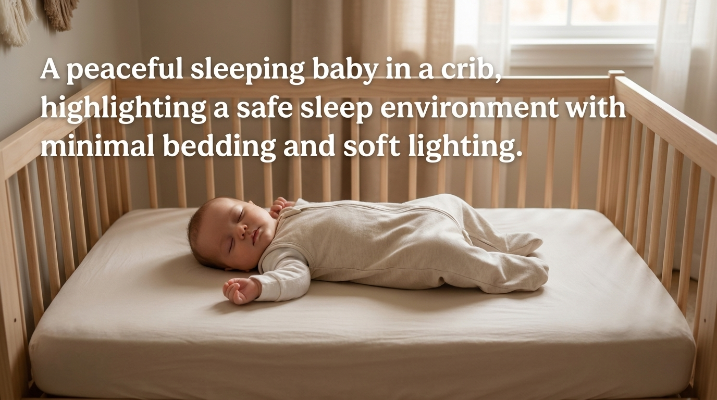
Essential Safety Practices
Ensuring your baby sleeps safely is paramount for their well-being. To create a secure sleep environment, always place your infant on their back in a crib or bassinet, adhering to current safety standards. A firm mattress covered with a fitted sheet is the ideal surface, as soft bedding, including blankets and pillows, poses suffocation risks.
Remove toys, bumpers, or any other items from your baby’s sleep area that could create hazards. Maintaining a comfortable room temperature—neither too hot nor too cold—is crucial for reducing the risk of overheating.
Breastfeeding and room-sharing (but not bed-sharing) can enhance safety during sleep, allowing you to monitor your baby while keeping them close. Pay close attention to your baby's cues for sleep and feel free to consult your pediatrician with any questions or concerns.
By adopting these safety practices, you can ensure a reassuring sleep environment for both you and your baby, effectively reducing the risk of Sudden Infant Death Syndrome (SIDS) and ensuring nighttime rest that nurtures their health and development.
Embracing the Sleep Journey
In summary, while many infants may begin sleeping through the night by six months, individual sleep patterns can vary significantly. Each child possesses a unique temperament, and factors such as developmental milestones and parenting approaches play a crucial role in shaping their sleep journey. Parents need to remain patient and adaptable, embracing both the ups and downs of this experience. Each sleepless night is a step toward understanding your infant’s needs. Cherish these moments and remember that your experience is part of a beautiful parenting journey. Support is always available, and you are not alone in navigating this process.

Just For You

Parenting
What Are the Best Baby Sleep Sacks Safety, Types, and Buying Guide
May 16, 2026

Pets
How Often to Feed a Cat A Practical Guide for Every Life Stage
April 23, 2026

Tourism
Best Hidden Gems in the United States 2026 Travel Guide
April 29, 2026

Shopping
Personalized Gifts for Grandma That Feel Thoughtful and Truly Meaningful
April 13, 2026
Recommended For You

Parenting
A Comprehensive Guide to Caring for Newborns Essential Tips for First-Time Parents
April 3, 2026

Pets
Litter Box Training for Beginners Everything Cat Owners Need to Know
April 17, 2026

Tourism
Tropical Honeymoon Destinations Romantic Islands and Beach Escapes for Couples
April 7, 2026

Shopping
Personalized Family Gifts That Strengthen Meaningful Connections at Home
April 13, 2026