Parenting
Baby Sleep Regression Stages, Causes, and How to Handle It
May 25, 2026
Navigate baby sleep regression with our comprehensive guide covering stages, causes, and effective care methods. Learn to create a soothing sleep environment today!
Baby sleep regression marks a critical phase in an infant's development, characterized by a sudden shift in sleep patterns, where a baby who previously slept well begins to wake frequently or resist established nap times. These regressions are often linked with significant developmental milestones, including the acquisition of new physical skills like crawling or walking. This article aims to demystify sleep regression by exploring its various stages, the underlying factors that contribute to it, effective care strategies for parents, and essential safety guidelines to create a nurturing sleep environment. If you are new to parenting, it helps to first understand how infant sleep cycles differ from adult sleep and why schedules are not fixed early on.
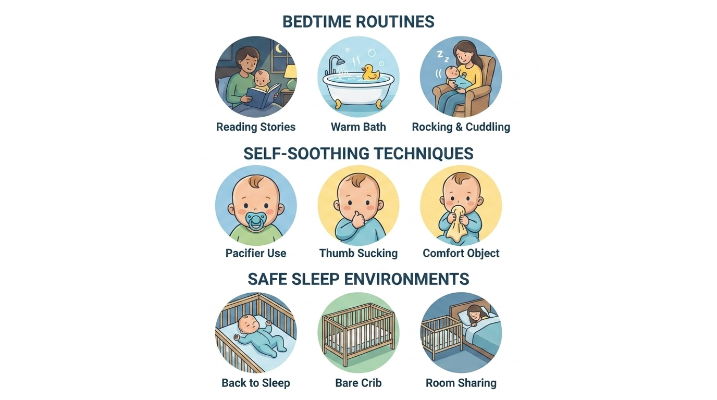
Key Stages of Sleep Regression
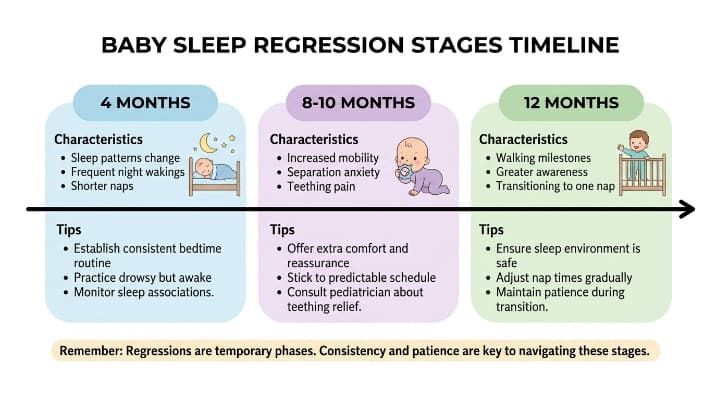
Understanding the key stages of sleep regression can greatly alleviate parental anxiety as these phases often coincide with crucial developmental milestones. There are three primary stages—4 months, 8-10 months, and 12 months—each with its unique characteristics and duration. Newborns are not developmentally ready, which is why sleep training is not recommended for newborn babies under 4 months.
4 Months: This regression stage typically occurs between 3-5 months and lasts about 2 to 6 weeks. At this age, babies transition from newborn sleep patterns to a more mature cycle, which can leave parents bewildered by bouts of sudden wakefulness or shorter naps. Common signs include increased fussiness, frequent nighttime awakenings, and difficulties in resettling after waking.
8-10 Months: This regression generally occurs between 8 and 10 months and lasts for approximately 2 to 3 weeks. As infants become more mobile—crawling, pulling up, and exploring their surroundings—sleep can become disrupted. Babies may wake frequently, eager to practice new skills such as standing in their cribs, leading to chaotic sleep patterns.
12 Months: Around the 12-month milestone, sleep regression can last anywhere from 2 to 4 weeks, often coinciding with advancements in language and social skills. This period may also introduce separation anxiety, as infants may resist sleep when away from their parents. Common indicators include clinginess and heightened distress during bedtime.
As parents face these unpredictable stages, confusion and uncertainty may heighten. However, understanding these developmental milestones helps mitigate concerns, equipping parents to navigate their child’s journey more confidently.
Development Factors
Sleep regression is a complex phenomenon with biological and psychological underpinnings. Growth spurts—typical during the 4, 8, and 12-month marks—bring about significant physical and neurological developments. During these times, heightened feeding needs and developmental milestones disrupt established sleep patterns. Pediatric sleep expert Dr. Jodi Mindell explains that such growth spurts can bring temporary sleep disruptions as infants acclimate to their expanding skill set.
A comparative analysis of an infant’s sleep cycles before and after regression phases reveals stark differences. Before regressions, infants typically maintain regular nighttime sleep routines. In contrast, following regressions, sleep cycles may become shorter and fragmented, reflecting emotional and developmental shifts. Increased nighttime awareness may prompt more frequent awakenings, exacerbating parental challenges.
These disruptions not only affect infants but also elevate stress levels among parents, who may experience feelings of frustration and helplessness as they witness their child’s distress. Research indicates that parental sleep deprivation can intensify anxiety, creating a stressful environment for the entire family. Moreover, sleep patterns may become inconsistently erratic during regression phases, with some nights characterized by extended wake phases and others featuring longer naps. Understanding these fluctuations can ease expectations, allowing families to adapt more effectively to their child’s evolving needs during these regressive periods.
Care Methods: Navigating Sleep Regression
Navigating sleep regression can be overwhelming, but establishing a soothing and predictable sleep environment significantly helps. Here are some actionable strategies that can help both parents and infants settle into a more restful routine:
1. Establish a Consistent Bedtime Routine
Creating a stable bedtime routine is essential. Incorporate relaxing activities such as warm baths, gentle massages, or bedtime stories to signal to your baby that it’s time to wind down. For instance, if your routine begins at 7 PM, strive to maintain this schedule throughout the week. Consistency provides a comforting sense of security that can help ease the transition into sleep.
2. Encourage Self-Soothing Techniques
As infants navigate sleep regression, cultivating self-soothing capabilities can be beneficial. Instead of immediately picking the baby up when they cry, allow them a moment to see if they can settle back down themselves. Introducing a comforting object, such as a soft blanket or stuffed animal, can offer reassurance during nighttime awakenings.
3. Adjust Nap Times
Infants’ sleep requirements evolve as they grow. Pay close attention to signs of tiredness and adjust nap schedules as necessary. If your baby seems overly tired before bedtime, consider shortening nap durations or changing nap times. Keeping a sleep diary can greatly assist in identifying patterns and making necessary adjustments.
4. Address Common Misconceptions
Many parents harbor misconceptions about sleep training, believing it must be abrupt or harsh. Gentle methods can be highly effective. For example, co-sleeping can create comfort for both baby and parents, promoting easier awakenings. Conversely, some families may thrive using structured sleep training techniques like the Ferber method or no-cry solutions. Find methods that resonate with your family’s dynamics and your child’s temperament.
5. Track Changes and Adjust
Maintaining a log of sleep patterns can provide important insights. Record when your baby sleeps, wakes, and exhibits signs of drowsiness to identify which changes align with improved sleep. Adjustments should be introduced gradually—implement one change for several days before trying anything new.
6. Prioritize Patience and Emotional Wellness
Most importantly, patience is key. Although sleep regression can be exhausting, reminding yourself that this is a fleeting stage can help mitigate frustration. Focus on self-care, whether it means leaning on support from fellow parents, sharing nighttime duties with a partner, or indulging in simple, restorative activities. Remember, you’re not alone in this journey, and asking for help is completely acceptable.
By employing these strategies, you can face sleep regression with preparation and optimism, fostering a nurturing environment for your little one.
Safety Guidance During Sleep Regression
As sleep regression poses challenges for both infants and parents, ensuring sleep safety is paramount. Key concerns typically revolve around proper sleep positioning and the safety of the sleep surface. Infants should always be placed on their backs in a firm crib or bassinet to minimize the risk of suffocation and Sudden Infant Death Syndrome (SIDS). Avoid soft bedding, toys, and loose blankets in the sleep area.
Here’s a quick safety checklist for best practices during sleep regression phases:
- Always place your baby on their back for sleep.
- Use a firm sleep surface, such as a well-made crib mattress with a fitted sheet.
- Keep the crib clear of pillows, blankets, and stuffed animals.
- Maintain a comfortable temperature in the room to prevent overheating.
- Establish a calm and persistent bedtime routine.
Consult your pediatrician for personalized guidance tailored to your child’s unique needs. Every child is different, and solutions may vary significantly, emphasizing the necessity for individualized advice.
Embracing the Journey of Sleep Regression
To summarize, sleep regression is a normal developmental phase that many parents experience. Understanding its stages and underlying causes aids in navigating this challenging journey. As illustrated in this guide, maintaining a calm, informed demeanor is critical to effectively supporting your child during these transitional periods. Remember, you and your baby are not alone—experiencing regressions is a common aspect of parenthood. By emphasizing patience, reassurance, and adherence to consistent routines, you can look forward to smoother, more restful nights ahead. With love and understanding, you can navigate this phase effectively, ensuring both you and your little one emerge resilient and well-rested.


Just For You
Parenting
How Should a Congested Baby Sleep Safe Positions and Comfort Tips
May 18, 2026

Pets
How Often to Feed a Cat A Practical Guide for Every Life Stage
April 23, 2026

Tourism
Best Hidden Gems in the United States 2026 Travel Guide
April 29, 2026

Shopping
The Heart of Gifting Finding the Perfect Birthday Gift for Your Mom
April 18, 2026
Recommended For You
Parenting
Can Babies Sleep on Their Stomach Safety Rules and Age Guidelines
May 18, 2026

Pets
The Allure of Long-Furred Cat Breeds
May 19, 2026

Tourism
Budget Travel How to Travel the World on a Budget
May 6, 2026

Shopping
Meaningful Choices The Ultimate Guide to Personalized Baby Gifts
April 21, 2026