Pets
How to Toilet Train a Puppy in 7 Days
June 15, 2026
Establish a strong bond with your puppy through effective toilet training! Discover our structured 7-day plan for successful potty training and positive reinforcement.
Toilet training is one of the first essential skills a puppy learns after entering a new home. A consistent toilet training routine helps puppies understand household expectations, develop appropriate elimination habits, and build confidence in their new environment. For owners, establishing a clear approach also creates better communication and reduces confusion during the early stages of puppy ownership.
Many new puppy owners hope to complete toilet training within a short period, but it is important to understand that seven days is usually the beginning of the process rather than the finish line. Some puppies may show noticeable improvement within the first week, while reliable housetraining often requires several weeks or months depending on age, breed, bladder development, and training consistency.
This seven-day plan is designed to establish a strong foundation by introducing routines, reinforcing correct behavior, and helping owners understand their puppy’s signals. Every puppy learns differently, so adjustments may be necessary based on temperament, living environment, and individual progress.
What Owners Can Expect During the First Week
The first week of toilet training focuses primarily on building consistency and helping the puppy understand where elimination should happen. During this period, owners should expect gradual progress rather than complete reliability.
A puppy may begin recognizing the designated toilet area, responding to certain routines, and showing early signs before needing to go outside. However, occasional accidents are still normal because young puppies are developing bladder control and learning how to communicate their needs.
The most effective approach during this stage is to create predictable opportunities for success. Regular bathroom breaks, close supervision, and immediate rewards after correct behavior help puppies form stronger associations between going outside and receiving positive feedback.
Maintaining patience is essential because rushing the process or using punishment after accidents can create confusion and anxiety. Successful toilet training depends on repetition, encouragement, and a routine that matches the puppy’s developmental stage.
Preparing for Day 1: Supplies and Safe Setup
Before beginning toilet training, preparing the right environment can make the process smoother. Essential supplies include treats for positive reinforcement, puppy pads or indoor toilet options if needed, a crate or playpen for safe supervision, and enzymatic cleaning products for accidents.
A designated toilet area should be selected in advance. Whether the puppy will eliminate outdoors or use an indoor toilet option, consistency is important because puppies learn more effectively when they are repeatedly guided to the same location.
The training environment should also be safe and easy to manage. Removing hazards, limiting access to unnecessary areas, and creating a predictable routine allow the puppy to focus on learning rather than exploring distractions.
Day 1: Establishing a Routine and Understanding Patterns
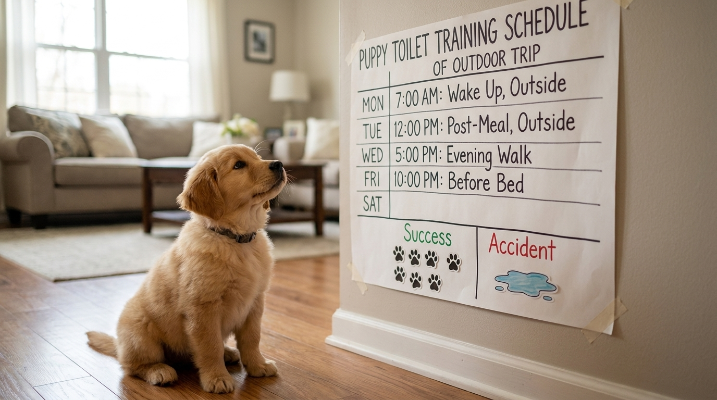
The first day of toilet training should focus on creating a predictable schedule and observing the puppy’s natural habits. Young puppies typically need frequent bathroom opportunities, especially after waking, eating, drinking, playing, or periods of excitement.
Rather than waiting for accidents to happen, owners should proactively take the puppy to the designated toilet area throughout the day. Close supervision is particularly important during this stage because behaviors such as sniffing, circling, pacing, or suddenly leaving an activity may indicate that the puppy needs to eliminate.
Keeping a simple training log can be extremely helpful. Record the times when the puppy successfully eliminates, when accidents occur, and any noticeable patterns. Over time, this information helps owners predict bathroom needs and adjust the schedule accordingly.
The goal of the first day is not perfection but understanding. By observing the puppy’s routine and creating consistent opportunities, owners establish the foundation for future progress.
Days 2–3: Preventing Accidents and Reinforcing Good Behavior
During the second and third days, the focus shifts toward strengthening positive habits and reducing opportunities for mistakes. Every successful bathroom trip should be followed immediately by praise, treats, or another form of positive reinforcement.
Timing matters because puppies learn through clear connections between actions and consequences. Rewarding a puppy shortly after they eliminate in the correct location helps them understand which behavior is being encouraged.
Accidents may still happen during this stage. When they occur, owners should avoid punishment and instead clean the area thoroughly using an enzymatic cleaner to remove odors that may attract the puppy back to the same location.
Maintaining a consistent routine remains essential. Taking the puppy outside after meals, naps, and play sessions provides frequent opportunities to succeed while helping establish predictable bathroom patterns.
Days 4–5: Reinforcing Cues and Recognizing Signals
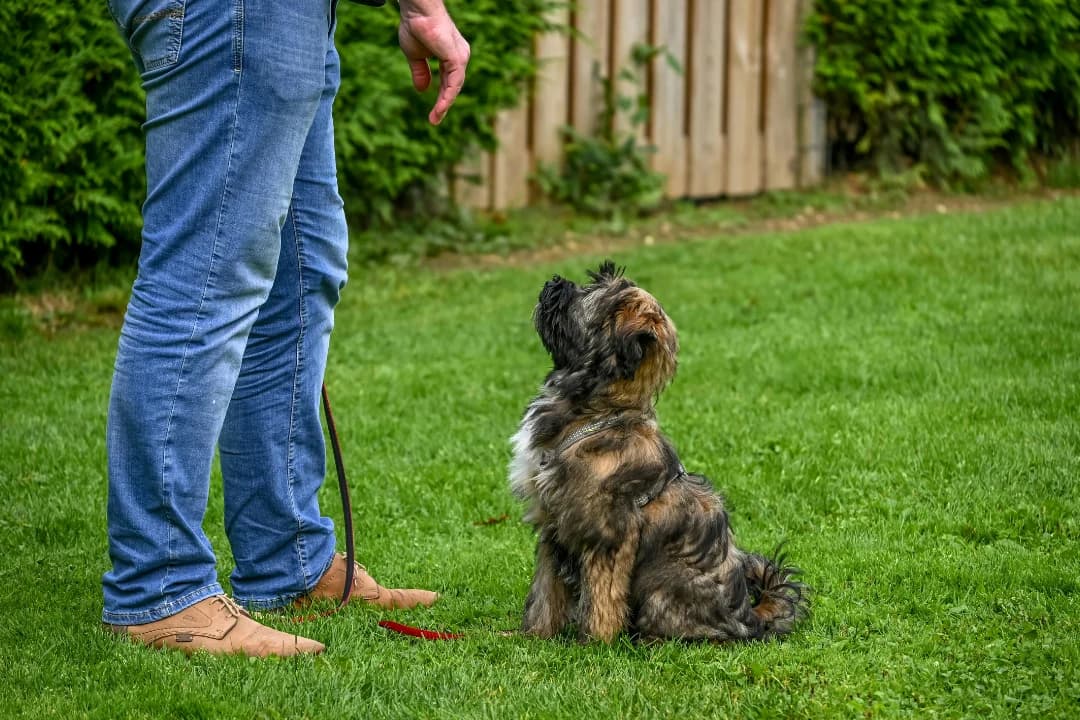
By the fourth and fifth days, owners can begin strengthening communication by introducing consistent verbal cues. Commands such as “go potty” or “outside” can be used each time the puppy reaches the designated toilet area.
The purpose of these cues is not to force immediate behavior but to help the puppy associate specific words with a repeated routine. Over time, the cue can become a useful communication tool during future bathroom breaks.
Recognizing the puppy’s personal signals is equally important. Some puppies become restless, sniff the ground, walk toward the door, or seek attention before they need to eliminate. Responding quickly when these behaviors appear reinforces the connection between communication and action.
Continued rewards after successful bathroom trips help maintain motivation and strengthen the puppy’s understanding of the expected behavior.
Days 6–7: Extending Breaks and Reviewing Progress
During the final days of the first-week plan, owners can begin evaluating progress and making small adjustments to the bathroom schedule. If the puppy has shown consistent success, the time between breaks can gradually increase.
However, extending intervals too quickly can lead to accidents. Owners should continue observing behavior and adjust based on the puppy’s ability rather than following a strict timeline.
Reviewing the training log from the previous days can provide valuable insight. Patterns may reveal specific times when the puppy usually needs to go outside, common triggers for accidents, or areas where additional supervision is needed.
The end of the first week should be viewed as a progress checkpoint rather than the completion of training. The routines established during these days create a foundation that can continue developing over the following weeks.
Addressing Accidents, Health Concerns, and Training Challenges
Accidents are a normal part of puppy toilet training, especially during the early developmental stages. The most effective response is calm management rather than punishment.
Cleaning accidents thoroughly is important because remaining odors may encourage repeated elimination in the same area. Enzymatic cleaners are generally recommended because they break down organic compounds rather than simply masking smells.
Owners should also pay attention to unusual bathroom patterns. Frequent urination, difficulty eliminating, signs of pain, blood in urine or stool, sudden changes in bathroom habits, or reduced energy levels may indicate a medical issue that requires veterinary attention.
If training difficulties continue despite consistent routines, consulting a veterinarian or qualified dog behavior professional can help identify whether the issue is related to health, anxiety, environment, or training methods.
Building Long-Term Toilet Training Success
A seven-day toilet training plan provides a practical starting point, but successful housetraining depends on continued consistency beyond the first week. Puppies develop control and understanding gradually, and progress may include both improvements and temporary setbacks.
The most effective approach combines routine, supervision, positive reinforcement, and patience. Owners who pay attention to their puppy’s signals and adjust expectations according to development are more likely to achieve reliable results.
Toilet training is not only about teaching where a puppy should eliminate; it is also about building communication and trust. With consistent guidance and appropriate expectations, puppies can develop healthy habits while becoming confident and well-adjusted members of the household.
Just For You
Parenting
How Should a Congested Baby Sleep Safe Positions and Comfort Tips
May 18, 2026
Pets
How Much Dry Food to Feed a Cat
June 21, 2026

Tourism
Best Places to Travel Solo Safe and Inspiring Destinations
April 27, 2026
Shopping
Personalized Gifts for Grandma That Feel Thoughtful and Truly Meaningful
April 13, 2026
Recommended For You
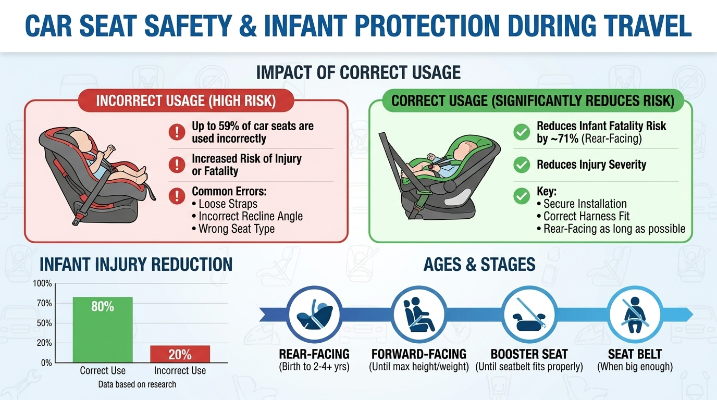
Parenting
Car Seats for Newborns A Practical Safety Guide for New Parents
April 22, 2026
Pets
Cat Feeding Guide Understanding Portion Sizes and Daily Feeding Needs
April 16, 2026

Tourism
Best Places to Visit in Spain A Complete Travel Guide to Top Cities and Attractions
April 2, 2026

Shopping
Best Cat Flea Products That Help Keep Your Cat Safe and Comfortable
April 18, 2026