Pets
How to Train a Puppy to Toilet A Practical Guide for New Dog Owners
April 18, 2026
Master the art of toilet training your puppy with our comprehensive guide. Discover techniques, tips, and routines for successful potty habits.
Toilet training a puppy is a significant milestone for any new dog owner. It helps prevent accidents in the home, fosters hygiene, and establishes a routine that benefits both the puppy and the owner. However, this process is often fraught with challenges, including accidents that can lead to frustration. Emphasizing reward-based training methods can pave the way for creating positive bathroom habits, transforming the journey into a rewarding experience for both you and your furry companion.
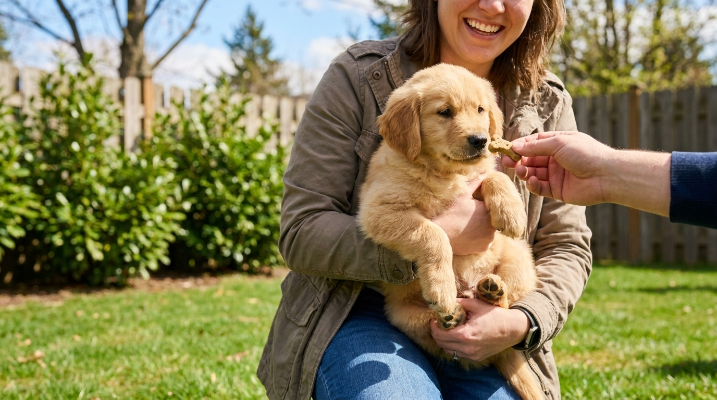
Why Toilet Training Takes Time
Toilet training a puppy is not a quick fix; it requires patience and understanding. The time it takes for a puppy to learn the ropes of appropriate bathroom behavior is influenced by various factors, beginning with understanding puppy bladder control. Puppies have underdeveloped bladders, and their ability to hold it varies significantly as they grow. Initially, they might not manage more than a couple of hours without needing to go outside, which can be frustrating for owners expecting quicker results.
Understanding Puppy Bladder Control
Puppies are born without bladder control. Typically, it starts developing at around four months of age, with complete control emerging by six to eight months. This means that until then, you should anticipate multiple bathroom breaks throughout the day as they learn the routine.
Age and Development Stages
As puppies grow, their learning capabilities and control improve. From 8–12 weeks, they can grasp simple commands and start to understand the concept of going outside for toilet breaks. However, their age will significantly influence how quickly they adapt to training.
Why Accidents Are Normal
Accidents during the training journey are completely normal, and it's important to have patience. Puppies learn by trial and error, and occasional setbacks should be expected as part of this educational process. Frequent accidents should not lead to frustration; instead, they should remind you that consistency and support are essential in guiding your puppy down the correct path.
How to Train a Puppy to Toilet Successfully
Training your puppy to toilet outside can be a fulfilling yet challenging experience. Here’s a comprehensive guide to establishing successful bathroom habits:
Creating a Consistent Routine
One of the most vital aspects of toilet training is maintaining a consistent routine. Puppies thrive on predictability; therefore, feeding them at identical times each day and ensuring regular potty breaks will enhance their understanding of when to go outside. A solid schedule should include bathroom breaks first thing in the morning, after each meal, and right before bedtime, fostering an environment where your puppy instinctively knows when it's time to relieve themselves.
Choosing a Designated Toilet Area
Selecting a particular outdoor spot for your puppy's toilet area is crucial. Consistency in taking them to this area every time they need to go builds strong associations in your puppy's mind, helping them recognize it as their bathroom spot. The familiar scent will signal to them that it’s the right place to relieve themselves.
Using Positive Reinforcement
Implementing positive reinforcement is essential for encouraging good bathroom habits. When your puppy successfully uses the designated toilet area, praise them excitedly and offer a treat. This reinforces their behavior positively, motivating them to replicate it in the future. Remember that a positive environment is vital in making the training process smooth for both you and your puppy.
Recognizing Bathroom Signals
It’s important to learn and understand the signals your puppy gives when they need to go out. Typical behaviors to be watchful for include sniffing the ground, circling, whining, or moving towards the door. Recognizing these signs is vital for timely action when they need to relieve themselves, encouraging them to communicate more effectively with you.
By maintaining patience and following these steps, you can effectively train your puppy, establishing a happy and clean home for both of you!
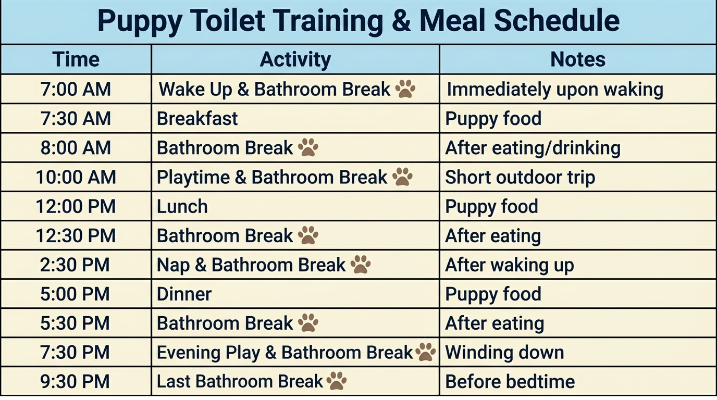
Building a Puppy Toilet Training Schedule
A well-organized schedule is vital for successful toilet training. Aligning your routine with your puppy’s natural needs not only minimizes accidents but also reinforces positive habits.
Morning Routines
Mornings provide ideal opportunities for success. As soon as you wake up, promptly take your puppy outside to relieve themselves. Puppies often need to go after a full night’s sleep, and this early routine sets a positive tone for the day. Offer praise once they relieve themselves outdoors to affirm their good behavior.
After Meals and Naps
After meals or a nap, puppies will naturally need to go out. For younger puppies, this could be every 1-2 hours. Make it a habit to closely monitor your puppy during these critical moments, thereby developing their understanding of bathroom schedules.
Bedtime Habits
Establishing a bedtime routine is essential to reduce the likelihood of nighttime accidents. Ensure your puppy has a bathroom break just before bed. Limiting water intake a few hours before they sleep can also be useful, alongside making their sleeping area inviting to encourage comfort.
Executing these strategies will set you and your puppy on the path to successful toilet training!
Indoor vs Outdoor Toilet Training
When it comes to toilet training, the debate between indoor and outdoor training methods presents critical considerations for any new dog owner. Each method has distinct advantages that vary based on individual circumstances.
Advantages of Outdoor Training
Outdoor toilet training encourages puppies to adopt bathroom habits in a natural environment. It helps stimulate their instincts and aligns their behavior with their canine nature, reinforcing correct outdoor bathroom behavior that minimizes future accidents.
When Indoor Options May Help
Conversely, there are situations where indoor training is more practical—especially for urban dwellers or during inclement weather. For instance, providing puppy pads can be a timely response to their immediate needs without exposing them to unsuitable outdoor conditions.
Maintaining Consistency
Regardless of the training location—indoors or outdoors—consistency remains key. A structured approach provides clarity and stability for your puppy, helping them better understand what's expected of them. By maintaining a dependable routine, you’ll guide your puppy toward adopting healthy bathroom habits, allowing them to thrive.
Common Toilet Training Challenges
Toilet training is seldom a smooth process, and new owners may face several challenges along the way. Here are common issues and strategies to tackle them:
Frequent Accidents
Accidental mishaps during toilet training can be attributed to factors like excitement, inconsistency, or limited outdoor access. To effectively handle these issues, establish a strict routine for bathroom breaks, maintain supervision indoors, and immediately take your puppy outside if you catch them in the act.
Regression After Early Success
Regression, despite early accomplishments, is quite common among puppies. It can stem from environmental changes or emotional stress. If you notice this regression, assess the situation and honor their past training by remaining calm and consistent until they adapt again.
Distractions Outdoors
Distractions while toilet training outdoors can derail your puppy’s focus. Choose quieter locations for bathroom breaks, keeping the attention on potty habits. A short leash can help minimize exploration and redirect your puppy’s focus back to the task at hand.
Adjusting to a New Home
Transitioning into a new environment often presents challenges for toilet training. To help navigate these adjustments, maintain a consistent bathroom routine and provide familiar items that offer comfort, such as toys or bedding from their previous home.
Mistakes That Can Slow Progress
New owners may stumble upon mistakes that can slow the progress of toilet training. Here are the most common pitfalls:
Punishing Accidents
Punishing your puppy for accidents can be counterproductive. Remember, accidents are a natural part of the training process. Instead of instilling fear, a positive reinforcement strategy will bolster your puppy's confidence and trust.
Inconsistent Schedules
An unpredictable routine can leave your puppy confused about their toilet habits. Establishing a clear schedule helps them anticipate their bathroom needs, leading to fewer accidents in the house.
Expecting Results Too Quickly
Patience is crucial. Expecting fast results can lead to disappointment for both parties. Recognize that each puppy learns at their own pace, and celebrate small victories along the way.
Missing Opportunities for Praise
Don’t overlook chances to reward good behavior! Celebrating correct bathroom habits through enthusiastic praise cultivates a positive feedback loop that motivates them to repeat those behaviors in the future.
Signs Your Puppy Is Making Progress
As your puppy advances in their training, there are several signs that indicate progress.
Improved Consistency
A reduction in accidents is a significant indicator of progress. When your puppy learns to limit their bathroom breaks indoors, celebrate these milestones as positive affirmations of your training methods.
Using the Same Toilet Area
Loyalty to a designated toilet area demonstrates that your puppy is beginning to grasp the concept of the training routine. When they routinely choose the same spot, it’s a sign that they are internalizing their training.
Communicating Bathroom Needs
As training progresses, your puppy will begin signaling their need to go outside. This can involve behaviors such as whining at the door or barking. Recognizing these signals is a positive development, paving the way for even stronger communication between you.
Embracing the Journey of Puppy Toilet Training
Toilet training your puppy requires patience, consistency, and positive reinforcement. Understand that every puppy is unique, and embracing their individual journey is key to success. Celebrate the small victories along the way, as they strengthen the bond between you and your furry friend. The challenges encountered are simply stepping stones towards achieving a harmonious relationship. With love, determination, and supportive training, you'll foster a lasting partnership filled with joy and companionship in the years to come.

Just For You

Recommended For You
Parenting
Baby Formula Feeding Chart An Essential Guide for New Parents
April 24, 2026
Pets
How Often to Feed a Cat A Practical Guide for Every Life Stage
April 23, 2026

Tourism
Best Travel Destinations for Couples Thoughtful Places to Share Meaningful Moments
April 3, 2026

Shopping
Best Cat Flea Products That Help Keep Your Cat Safe and Comfortable
April 18, 2026