Pets
Clicker Training for Cats A Beginner's Guide to Positive Reinforcement
April 15, 2026
Discover effective clicker training for cats! Learn how positive reinforcement enhances behavior, communication, and your bond with your feline friend.
Welcome to the fascinating world of clicker training for cats! Clicker training is a popular and effective method that employs a small handheld device to produce a distinct "click" sound, which signifies that a reward is on the way. This approach is grounded in the principles of positive reinforcement, allowing your cat to associate desirable behaviors with the delightful sound of the clicker and a tasty treat. This method not only fosters a strong bond between you and your feline friend but also makes the training process fun and engaging for both of you. The benefits of using a clicker extend beyond simple obedience, encouraging mental stimulation, curbing unwanted behaviors, and promoting a happier, healthier cat. Get ready to embark on this rewarding journey of learning together as we explore the key concepts and practical tips of clicker training!
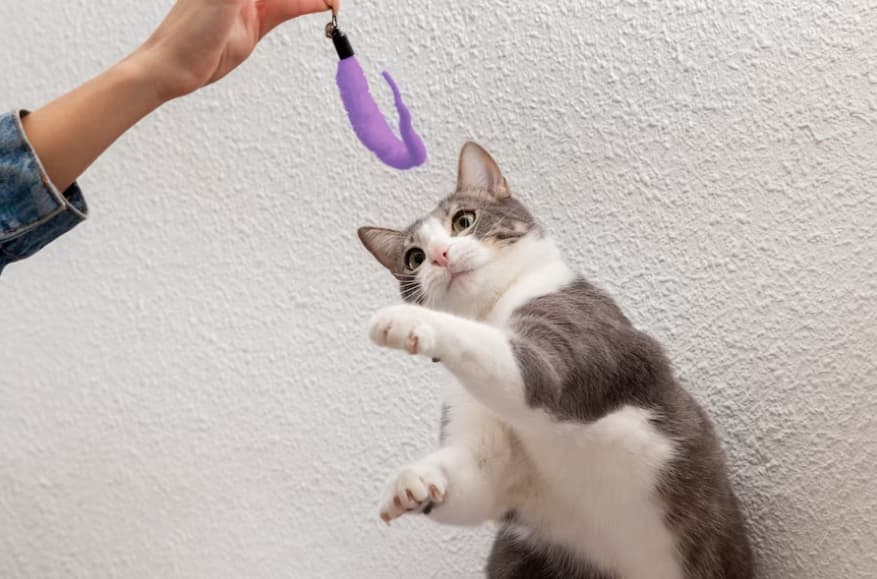
What Is Clicker Training for Cats?
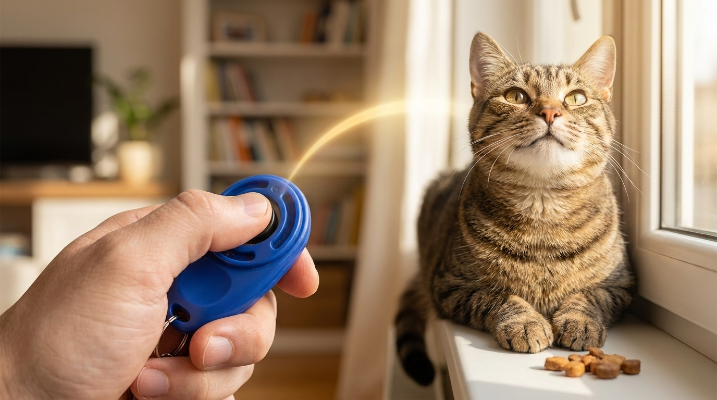
Clicker training employs a simple device—a clicker—that emits a distinct sound when pressed. This sound serves as a positive reinforcement cue for your cat, helping them associate the noise with desired behaviors. To begin, press the clicker immediately after your cat performs the desired action, like sitting or coming when called, and follow it up with a treat as a reward. Consistency is vital to success; repeating this process will ensure your cat learns to connect the sound of the click to the reward, thereby reinforcing the behavior you wish to cultivate.
Why Cats Respond to Positive Reinforcement
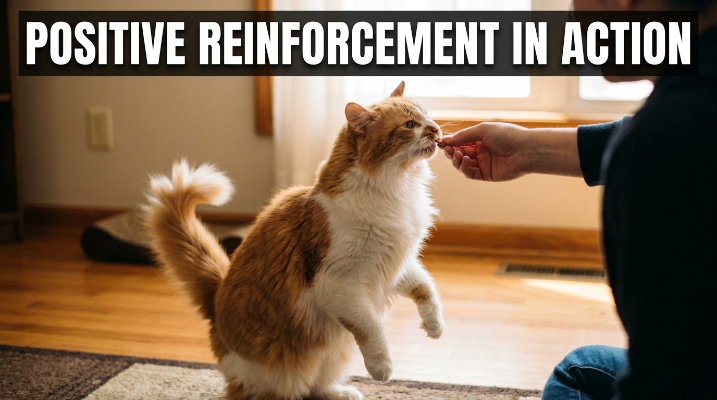
Unlike dogs, cats are often seen as more independent and selective in their interactions. This unique learning style underscores their motivation, which is driven by tangible rewards rather than mere obedience. Positive reinforcement—such as treats or praise—encourages your cat to engage in desired behaviors as they learn to anticipate a reward. By consistently offering rewards, you not only reinforce good behavior but also strengthen the bond between you and your feline friend, making training a fun and engaging experience.
The Science Behind Marker Training
At its core, clicker training is based on classical conditioning, a learning process where a neutral stimulus becomes associated with a meaningful stimulus. Initially, the clicker noise holds no value for your cat; however, when consistently paired with a treat, the cat learns to associate the click with a reward. Over time, this creates a reliable signal indicating to your cat that a treat will follow for good behavior. This method leverages their natural instincts, making training effective while cultivating a trusting relationship between you and your pet.
Benefits of Clicker Training for Cats
Mental Stimulation
Cats are intelligent creatures requiring mental challenges to stay engaged and content. Clicker training offers a fun way for them to think and solve problems through new commands and tricks. For instance, teaching a cat to fetch a toy or jump through a hoop enhances their cognitive health and stimulates their curiosity.
Improved Communication
Clicker training fosters clear communication between cats and their owners. The unique sound of the clicker acts as a consistent marker for desired behaviors, ensuring the cat understands which actions to repeat. This method enhances the owner's ability to convey expectations effectively, facilitating a deeper connection based on mutual understanding.
Strengthening the Human-Cat Bond
As cats learn that their efforts result in positive outcomes, trust is built during clicker training. Engaging interactions, such as offering treats and praise reinforce the bond between cat and owner. Shared moments during training sessions cultivate companionship, making cats feel secure in their environments.
Encouraging Desirable Behaviors
Clicker training can effectively modify unwanted behaviors by reinforcing positive actions. For example, rewarding a cat for using a scratching post instead of furniture teaches them acceptable behaviors. With consistent training, cats can adopt more favorable habits, creating a happier home for both pets and owners.
Getting Started with Clicker Training for Cats
Embarking on clicker training can be a delightful experience for you and your feline friend.
Choosing a Clicker
Various types of clickers are available, from handheld devices to those integrated into toys. Select one that feels comfortable in your hand and produces a distinct sound. The right clicker is crucial for capturing your cat's attention and ensuring effective training.
Finding Effective Rewards
Treats are essential in clicker training. Use small, tasty options your cat loves, like pieces of cooked chicken or commercial cat treats. Mixing up rewards keeps your cat engaged and excited about the training process.
Creating a Distraction-Free Environment
Choosing a quiet space for training is essential to minimize interruptions. This focus allows your cat to concentrate on learning, enhancing the effectiveness of each session.
Simple Behaviors You Can Teach First
Coming When Called
Begin in a quiet area, using your cat's name in a cheerful tone. When they look at you, click the clicker and reward them with a treat. Repeat this, gradually increasing the distance from the cat, and consistently reinforce their response when they come when called.
Target Training
Utilize a stick or a target designed for training, holding it in front of your cat's nose until they touch it. Click and reward immediately. Gradually increase the distance of the target, teaching the cat to associate the target with a reward, aiding in further training.
Sitting on Cue
Hold a treat over your cat's nose and slowly move it back over their head to prompt them to sit. As they do, click and treat. Train in brief sessions multiple times daily, reinforcing the behavior consistently.
Entering a Carrier Voluntarily
To encourage your cat to enter a carrier, place it in an inviting area with the door open. Add a blanket or favorite toy inside, rewarding them with treats when they show interest. Creating a positive atmosphere will promote willing entry in the future.
Common Challenges During Training
Training your feline friend can present its own challenges. Here are some common hurdles and practical solutions to help you succeed:
Lack of Interest in Treats
Some cats can be finicky eaters, making it difficult to find treats that motivate them. Experiment with options such as freeze-dried meat, fish flakes, or bits of rotisserie chicken. Offering smaller portions can maintain their attention and encourage positive responses.
Short Attention Spans
Cats often have brief attention spans, which can disrupt training sessions. Keep sessions around 5 minutes long and always end positively. Incorporate playtime before or after training to help them focus better when it’s time to learn.
Fearful or Shy Cats
For timid cats, fostering a comfortable and secure environment is crucial. Start training in a quiet space with minimal distractions, approach slowly, use soothing tones, and use gentle touch to reassure them, creating a positive association with the training experience.
Overexcitement During Sessions
Some cats may become overly hyper during training. Providing calming techniques, such as gentle petting or soft speaking, can help regulate their energy levels, allowing for more effective training.
Tips for Successful Clicker Training
Keeping Sessions Short
To maintain your cat's attention and enthusiasm, ensuring training sessions are brief is key. Aim for 5 to 10 minute intervals, as shorter sessions prevent boredom and frustration, keeping your feline companion eager to learn.
Being Consistent
Establishing a routine helps your cat understand what to expect. Train at the same time each day and use consistent cues for commands. This predictability fosters learning and strengthens the bond between you and your cat, maximizing training effectiveness.
Timing the Click Correctly
Proper timing is crucial in clicker training. Click immediately as your cat performs the desired behavior. This precision helps them associate the action with the reward, clarifying what behavior they are being praised for and accelerating the learning process.
Ending on a Positive Note
Always conclude training sessions with success, no matter how small. Ending on a high note boosts your cat's confidence and motivation, encouraging them to return excited for the next session. This positive reinforcement enhances their enthusiasm for future training exercises.
What Clicker Training Cannot Do?
While clicker training is an invaluable tool, it’s essential to set realistic expectations. Owners should establish clear, achievable goals—like teaching basic tricks—instead of overwhelming their cats with complex commands or lengthy training sessions. This mindful approach ensures that both the owner and the cat can enjoy the process without frustration.
However, certain behavioral issues may require attention beyond clicker training. For instance, owners may need professional support for cats showing aggression, extreme anxiety, or severe fear. Problems such as litter box issues, excessive scratching, or other behavioral changes often require deeper understanding and personalized strategies from a trainer. Recognizing when professional help is warranted can lead to a healthier, happier cat-owner relationship in the long run.
Embracing the Journey of Clicker Training
Clicker training offers an incredible opportunity for cat owners to forge a stronger bond with their feline companions while enhancing communication. By utilizing positive reinforcement principles, you teach your cat new behaviors, creating a loving and trusting environment conducive to learning. Remember, patience and understanding are paramount; every cat learns at its own pace, and celebrating small victories enriches the journey for both you and your pet. So as you begin your clicker training adventure, embrace the process and relish the delightful moments that unfold. With commitment and consistency, you will witness remarkable transformations in your cat's behavior, opening the door to a lasting relationship filled with joy and understanding. Grab your clicker, some tasty treats, and start today—your cat is eager to learn!

Just For You
Parenting
Can Babies Sleep on Their Stomach Safety Rules and Age Guidelines
May 18, 2026
Pets
How to Toilet Train a Puppy in 7 Days
June 15, 2026

Tourism
Best Places to Travel Solo Safe and Inspiring Destinations
April 27, 2026

Shopping
Finding the Perfect Fit The Best Running Shoes for Wide Feet That Blend Comfort and Performance
March 21, 2026
Recommended For You

Parenting
Baby Weighted Sleep Sacks Safety Guidelines, Benefits, and Usage Tips
May 13, 2026
Pets
The Allure of Long-Furred Cat Breeds
May 19, 2026

Tourism
Best Travel Destinations Japan A Practical Guide to Exploring Cities, Nature, and Culture
March 27, 2026

Shopping
Unlocking Value The Best Cheap Running Shoes That Don’t Skimp on Comfort
April 13, 2026