Parenting
Circumcision Care for Newborns A Practical Guide for Parents
April 25, 2026
Essential guide for parents on newborn circumcision care. Discover healing tips, aftercare instructions, and when to seek help for your baby.
Newborn circumcision, a prevalent procedure worldwide, is subject to varying practices influenced by cultural, religious, and medical reasons. In the United States, around 55% to 80% of male infants undergo circumcision shortly after birth, emphasizing its significance in many families. Understanding the intricacies of post-operative care is paramount for new parents seeking to ensure a seamless recovery for their infant. Effective aftercare not only promotes the baby’s well-being but also alleviates the stress new parents may experience during such a critical time. This guide aims to empower parents with essential tips for managing care after circumcision, thus fostering a nurturing environment as their newborn navigates this delicate stage.
Understanding Newborn Circumcision Recovery
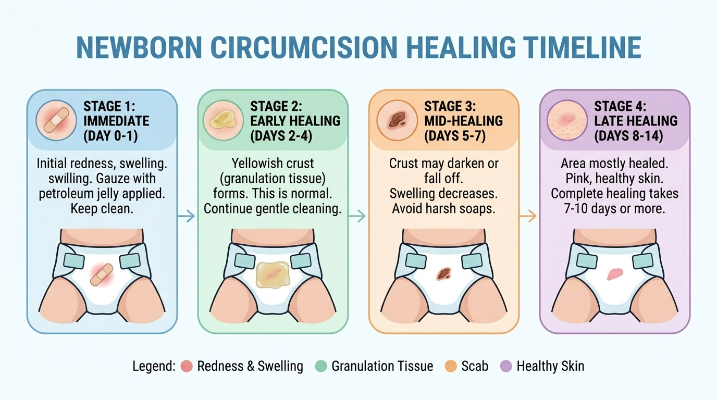
In the immediate days following circumcision, parents can expect some typical post-operative changes as part of their newborn's healing journey. Commonly, the penile area may exhibit some swelling and might have moderate bleeding within the first 24 hours of the procedure. While some degree of swelling is common, the extent can differ widely among infants. Minor amounts of bleeding are also expected and should subside promptly. Parents are encouraged to monitor their baby's condition closely, but should understand that individual variations in recovery time and symptoms are entirely normal. If excessive bleeding occurs or persists, consulting a healthcare provider quickly can provide necessary reassurance.
Healing after circumcision generally takes about 7-10 days, with most infants showing significant improvement within this period. Parents may notice scabbing and minor alterations in the appearance of the penis during recovery. However, the complete healing timeline may vary based on individual factors, such as the baby’s skin type and overall health. Parents are advised to maintain cleanliness in the area and carefully adhere to aftercare instructions to ensure their baby enjoys a smooth recovery.
How to Care for a Newborn after Circumcision
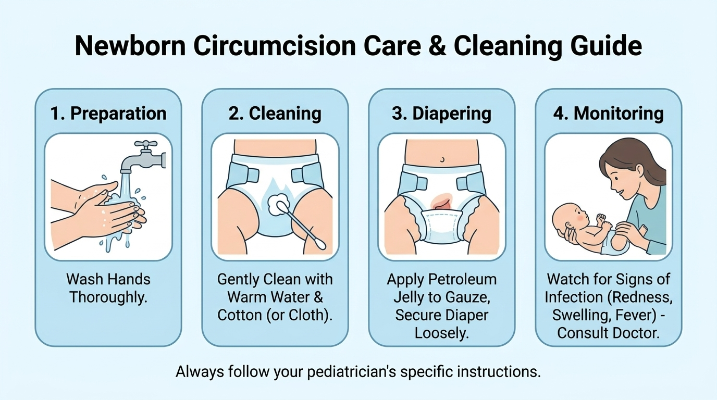
Proper care following circumcision is crucial, particularly regarding keeping the area clean and dry. It is essential to gently cleanse the circumcision area with warm water during diaper changes using a soft washcloth or your hand; avoid using harsh soaps or wipes that may irritate the skin. Instead of rubbing, it's advisable to pat the area dry with a clean towel. Keeping moisture away from the circumcision site is imperative, as excess wetness can create an environment conducive to bacterial growth. Consistently changing the baby’s diaper—especially when wet or soiled—ensures the area remains clean and dry. Additionally, loose-fitting clothing should be chosen to prevent trapping moisture against the skin while allowing adequate airflow.
Choosing suitable diapers significantly impacts your newborn’s comfort level during the recovery process. Soft, breathable diapers without additives or fragrances are ideal for minimizing irritation on sensitive skin. Regular diaper changes should be the norm, with parents aiming to change them at least every two to three hours or more frequently when necessary to ensure dryness. When fastening the diaper, positioning it lower on the waist helps prevent friction against the healing circumcision site. Ensuring the diaper does not rub against the penis itself can prevent discomfort, and using cotton diaper liners can offer additional buffer protection.
To aid in healing and prevent the circumcision site from sticking to the diaper, a thin layer of petroleum jelly or an ointment recommended by a doctor can be applied. Ensure clean hands are used to apply ointment to prevent introducing bacteria; a small amount—the size of a pea—is generally sufficient. Avoid direct application onto any open wounds; applying it instead to the skin surrounding the circumcision site supports an effective healing process. Always adhere to the pediatrician’s or surgeon’s specific instructions concerning ointment applications to ensure your baby’s safety and promote an efficient recovery.
What Parents Should Watch For During Healing
Monitoring your newborn’s healing process post-circumcision is imperative. Indicators of normal healing include observable decreases in swelling and the development of scabs as the site mends. Skin color changes are also typical throughout the healing process, often transitioning from red to a paler tone. Each infant heals at their unique pace; while some may experience rapid recovery, others might take longer without any underlying issues. Understanding these variations can help ease parental anxieties during recovery.
However, parents should remain vigilant for signs of potential infections as well. Symptoms that may indicate complications include unusual redness around the circumcision site, foul odors, or ongoing bleeding that does not resolve. If the baby develops a fever or shows increasing fussiness, these can be signals requiring immediate attention. Prompt communication with a healthcare provider is essential to promptly address any concerns that may arise, supporting the infant's health during recovery.
Comforting Your Baby During Recovery
A baby's fussiness and discomfort can be effectively managed through gentle techniques that provide both physical and emotional reassurance. Gentle rocking can be particularly soothing for calming nerves, while skin-to-skin contact—holding your newborn close to your bare chest—can help regulate their body temperature and heart rate. Additionally, swaddling your baby snugly in a soft fabric can provide warmth and create a sense of security, significantly easing discomfort during this sensitive time.
Maintaining a consistent feeding routine is crucial during recovery, as it fulfills nutritional needs and establishes a reassuring rhythm for the baby. Alongside feeding, creating a calm environment with dim lighting, soft music, and minimal stimulation encourages relaxation. Responsive parenting—promptly addressing your baby’s cues and cries—also reinforces their sense of safety and well-being, facilitating a smoother recovery process.
When to Seek Medical Attention
Parents must remain vigilant regarding their newborn’s recovery following a circumcision. Contact a healthcare provider if you notice severe pain, excessive irritability, or signs of infection, such as increased redness, swelling, or discharge from the circumcision area. Prolonged bleeding, lasting more than a few minutes, requires immediate medical attention. If there are any concerns regarding fever exceeding 100.4°F (38°C) or uncertainty about a symptom’s normalcy, reaching out to a pediatrician is critical. Always prioritize your child's health and comfort; gaining clarification or reassurance for any concerns can establish peace of mind during this testing period.
Moving Forward with Confidence
In summary, attentive care and understanding are essential for a newborn’s recovery from circumcision. Parents are encouraged to familiarize themselves with the healing process, employing practical aftercare techniques while being aware of signs that indicate normal versus concerning changes. Remaining responsive to the baby's needs and frequently monitoring for signs of recovery or complications will cultivate a nurturing environment. Trusting your parental instincts, along with seeking guidance from healthcare professionals when necessary, sets the stage for a safe, healthy recovery journey for both infant and parents alike. Ultimately, diligent care can significantly ease this pivotal transition in your newborn's life.


Just For You

Parenting
Understanding the Early Signs of Pregnancy
May 13, 2026

Pets
How to Train a Cat With Positive Reinforcement
June 6, 2026

Tourism
Best Places to Visit in Spain A Complete Travel Guide to Top Cities and Attractions
April 2, 2026

Shopping
Finding the Perfect Fit The Best Running Shoes for Wide Feet That Blend Comfort and Performance
March 21, 2026
Recommended For You
Parenting
Understanding the Significance of Pelvic Floor Exercises During Pregnancy
April 12, 2026
Pets
How to Train a Cat With Positive Reinforcement
June 6, 2026

Tourism
Best Travel Destinations for Couples Thoughtful Places to Share Meaningful Moments
April 3, 2026

Shopping
Personalized Family Gifts That Strengthen Meaningful Connections at Home
April 13, 2026